As an Amazon Associate we earn from qualifying purchases. This page may contain affiliate links.
Easy meal prep ideas for weight loss come down to one habit: cooking a few balanced meals ahead so you are not deciding what to eat when you are hungry and tired. This guide walks you through a simple prep method, a portion framework, 10 low-effort recipes that scale well, and the mistakes that tend to derail a plan. By the end, you will be able to cook four to five lunches or dinners in about two hours using appliances you already own.
Why Meal Prep Helps With Weight Loss
Most weight loss plans fail at the same point: the evening when nothing is ready, so you order takeout or grab whatever is closest. Prepping meals in advance removes that decision. You still control portions, ingredients, and cooking oil, and you spend less time improvising. The goal is not perfection. It is having a default meal that already fits your plan.
If you are new to batch cooking, start with the basics in Meal Prep for Beginners before you commit to a full week. Once you understand how food holds up in the fridge, the recipes below will be much easier to run.
Build Every Meal Around a Simple Portion Framework
You do not need to count every gram to make prepped meals work for weight loss. A visual framework is easier to repeat, and it keeps meals balanced without a spreadsheet. Many dietary guidelines suggest filling half the plate with vegetables, about a quarter with lean protein, and about a quarter with a carbohydrate such as rice, potatoes, or beans.
For each container, aim for:
- Protein: a palm-sized portion of chicken, fish, tofu, eggs, lean ground meat, or beans
- Vegetables: two fists or more, roasted, steamed, or raw
- Starch or grain: a cupped handful of rice, quinoa, potatoes, or whole grain pasta
- Fat: about one tablespoon of oil, nuts, cheese, or dressing, measured rather than poured
Measuring that fat is where many plans quietly fall apart. A tablespoon of olive oil is easy to lose track of when you pour from the bottle. Use a measuring spoon the first few weeks until you can estimate by eye.
Set Up Your Prep Day
Tools You Will Need
- A sheet pan or two, plus parchment paper or foil
- A slow cooker or Instant Pot for hands-off proteins
- An air fryer or oven for crisp vegetables and proteins
- A large pot for rice, grains, or pasta
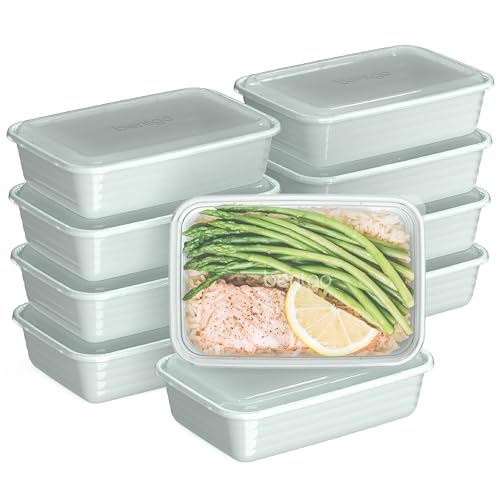
- Four to five airtight containers, sized for one meal each
- A sharp knife, cutting board, and a food scale if you want precise portions
Plan Your Cooking Window
A workable schedule for four to five meals looks like this:
| Time | Task | Appliance |
|---|---|---|
| 0:00–0:15 | Chop vegetables, season proteins, preheat oven or air fryer | Knife, cutting board |
| 0:15–0:30 | Start slow cooker or Instant Pot protein | Slow cooker or pressure cooker |
| 0:30–1:00 | Roast vegetables on sheet pan; cook grains on stovetop | Oven, air fryer, stovetop |
| 1:00–1:30 | Cook second batch of protein or vegetables in air fryer | Air fryer |
| 1:30–2:00 | Cool, portion, label, and refrigerate within two hours | Containers |
10 Easy Meal Prep Recipes for Weight Loss
These ideas use common ingredients, cook in one or two appliances, and reheat well. Each one makes four to five servings. Adjust seasoning to taste, and keep sauces on the side when you need to control calories.
Slow Cooker and Pressure Cooker Options
- Shredded chicken taco bowls: Cook chicken breast with salsa, cumin, and garlic in the slow cooker for six to eight hours on low. Serve over brown rice with black beans, shredded cabbage, and lime.
- Turkey and white bean chili: Simmer lean ground turkey, white beans, diced tomatoes, and spices. It freezes well and gives you a meal with plenty of fiber.
- Pressure cooker chicken and vegetable soup: Combine chicken thighs (skinned), carrots, celery, onion, and broth. Cook under pressure, shred the meat, and portion with extra vegetables.
- Lentil and vegetable stew: Dried lentils cook well without soaking in a pressure cooker. Add carrots, spinach at the end, and a little cumin.
If slow cooking is new to you, Slow Cooker Tips and Tricks for Better Meals covers liquid levels, timing, and how to avoid mushy vegetables.
Air Fryer and Sheet Pan Options
- Sheet pan salmon with broccoli: Season salmon fillets and broccoli florets with lemon, garlic, and a little olive oil. Roast at 400°F for about 12 to 15 minutes, depending on thickness.
- Air fryer chicken thighs and sweet potato cubes: Cook boneless, skinless thighs at 400°F for about 15 minutes, flipping halfway. Air fry sweet potato cubes separately at 380°F for 15 to 20 minutes.
- Sheet pan turkey sausage and peppers: Slice fully cooked turkey sausage and roast with bell peppers and onions at 425°F for about 20 minutes.
- Crispy tofu bowls: Press extra-firm tofu, toss with cornstarch and a light coating of oil, then air fry at 400°F for 12 to 15 minutes, shaking the basket once.
- Egg muffin cups: Whisk eggs with spinach, peppers, and a small amount of feta. Bake in a muffin tin, then refrigerate. They make a good grab-and-go breakfast or lunch.
Many of these meals work well in lunch containers. For more ideas that travel easily, see Healthy and Easy Lunch Box Ideas for Adults.
How to Keep Prepped Meals Fresh and Safe
Cooked food should be cooled and refrigerated within two hours of cooking, and most prepped meals keep well for three to four days in the refrigerator. Freeze anything you will not eat by then. Reheat leftovers until steaming hot throughout. Food safety guidance from the USDA is a useful reference if you are unsure about storage times for specific proteins.
Texture matters as much as safety. Store crispy items such as roasted potatoes or breaded tofu separately from sauces, and add dressings just before eating. Fresh herbs and sliced avocado also taste better when added after reheating.
Common Mistakes to Avoid
- Making the same meal all week. Eating identical food five days in a row often leads to skipping meals or abandoning the plan. Prep two proteins and two vegetable sides, then mix and match.
- Hidden calories in sauces. Bottled dressings, teriyaki, and creamy sauces can add a lot of calories quickly. Make a simple vinaigrette or use hot sauce, mustard, or salsa.
- Undersized portions of protein. Low protein meals leave people hungry by mid-afternoon. Check your palm-sized guide before you portion.
- Only prepping carbohydrates. Rice and pasta are easy to overcook and overeat. Keep grains to a measured handful.
- Skipping vegetables because they seem like extra work. Sheet pan vegetables take ten minutes to load and roast while everything else cooks.
- Ignoring your own schedule. If you only have time to cook once a week, focus on two or three recipes instead of ten.
Tips for Making Meal Prep Stick
- Choose recipes you already like, then adjust them lightly for weight loss rather than adopting unfamiliar foods all at once.
- Pick one prep day and one backup day. If prep day gets missed, a 20-minute stir-fry should be your fallback.
- Label containers with the date and contents so you can rotate food before it spoils.
- Keep frozen vegetables on hand. They roast well and reduce waste.
- Plan the week before you shop. A Simple Method for Effective Weekly Meal Planning gives you a template that works for a shopping list.
- If you are cooking on a budget, buy dried beans, whole chicken, and seasonal produce. How to Cook Delicious Meals on a Tight Grocery Budget has more ideas.
Recommended Gear for Weekly Meal Prep
Good containers and a food scale make the biggest difference for portion control. Here are three items that help most with this kind of prep.
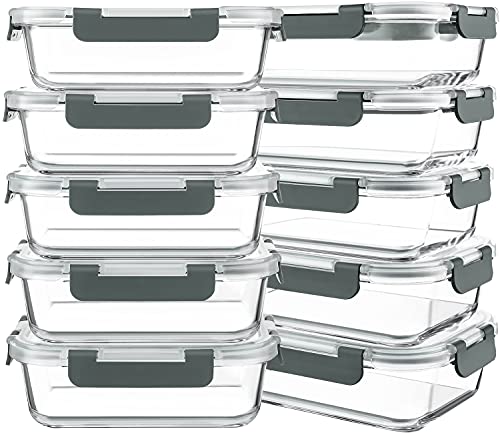
- Glass meal prep containers with lids: Glass does not hold odors or stains, and most sets are microwave and dishwasher safe. Choose compartment sizes that match your portions. Check price on Amazon
- Digital kitchen scale: A scale lets you weigh proteins, grains, and oils accurately, which is helpful when you are starting out. Check price on Amazon
- Half-sheet baking pans: Two sturdy pans let you roast proteins and vegetables at the same time without crowding. Check price on Amazon
FAQ
How many meals should I prep at once?
Most people start with four to five meals, which covers lunches for the workweek. Prepping more than five can strain freshness, so freeze extra portions if you want a longer supply.
Will meal prep help me lose weight on its own?
Meal prep helps by making balanced, measured meals easier to eat consistently. Weight change depends on your total energy intake and activity over time. If you have a medical condition or take medication, talk with your doctor or a registered dietitian before making major changes to your diet.
Which appliance is best for beginners?
A sheet pan and a stovetop pot cover most meal prep recipes. A slow cooker is helpful if you want hands-off cooking, and an air fryer is useful for quick vegetables and proteins.
How long do prepped meals last in the fridge?
Most cooked meals keep safely for three to four days when refrigerated promptly. Freeze anything you will not eat in that time, and reheat it until hot throughout.
Can I meal prep if I have a small kitchen?
Yes. Focus on two or three recipes that share a sheet pan or slow cooker, and cook in batches. Stacking containers in the refrigerator works better than trying to store everything at once.