As an Amazon Associate we earn from qualifying purchases. This page may contain affiliate links.
Instant Pot dinner ideas work best when you match the dish to the pressure cooker’s strengths: tender meats, soups, grains, beans and sauces that finish in well under an hour from start to table. This guide gives you a set of reliable dinner categories, approximate cook times, a simple method for building your own recipes, and the mistakes that most often lead to bland or watery results. You will leave with enough starting points to plan a full week of dinners.
Why the Instant Pot Suits Weeknight Dinners
An electric pressure cooker traps steam in a sealed pot, which raises the internal temperature well above what a simmering pot on the stove reaches. That heat breaks down collagen in tougher cuts of meat and softens dried beans and grains quickly. The result is food that tastes like it cooked all afternoon, but with active time usually under 20 minutes.
The trade-off is that you are cooking under pressure, so liquid does not evaporate the way it does in an open pot. Most recipes rely on a minimum amount of thin liquid, and the timing is more exact than with a slow cooker. Once you understand those two ideas, most dinner recipes become predictable.
Instant Pot Dinner Ideas by Category
Before you pick a recipe, sort it into one of these categories. Each one follows a similar pattern, so learning one teaches you the others.
Chicken Dinners
Boneless, skinless chicken breasts stay juicy under pressure if you do not overcook them. Shredded chicken tacos, lemon-garlic chicken with potatoes, and chicken and rice are all strong options. Chicken thighs tolerate a few extra minutes better than breasts and have more fat, which keeps them moist.
Beef and Pork Dinners
Chuck roast, pork shoulder and short ribs are the classic choices because their connective tissue turns silky with pressure cooking. Pot roast with carrots and potatoes, pulled pork for sandwiches, and beef stew are dependable weeknight picks, especially when you cook a larger batch and freeze half.
Soups, Stews and Chili
Soups are some of the easiest pressure cooker meals because the liquid is already built in. Chicken noodle, lentil soup, and chili all come together with minimal hands-on time. A one-pot beef and bean chili is a good example of how the pot handles dried or canned beans, browned meat and spices in a single step.
Pasta and Rice Dinners
Pasta and rice cook in the same pot as the sauce, which cuts cleanup. Pasta cooks quickly under pressure, so you need to measure the liquid carefully. Risotto-style rice dishes and baked-style pasta with cheese are both popular. If you want a faster stovetop alternative, Quick Stovetop Pasta Dinners Ready in 30 Minutes covers options that do not require a pressure cooker at all.
Vegetarian and Bean Dinners
Dried chickpeas, black beans and lentils are inexpensive and cook without soaking in the Instant Pot, though soaking can shorten cook times and improve texture. Bean-based curries, black bean soup and lentil dal are satisfying meatless dinners that also work well for meal prep.
Twelve Dinner Ideas to Start With
The list below gives you a range of meals. Cook times are approximate and assume the high-pressure setting with a natural release unless noted. Always check your specific recipe and the manufacturer’s manual, since altitude, food quantity and cooker size all affect timing.
- Shredded chicken tacos: Frozen or fresh breasts with salsa and taco seasoning, roughly 12 to 15 minutes at high pressure.
- Lemon-garlic chicken and potatoes: Quartered baby potatoes and chicken thighs, about 10 to 12 minutes plus a quick release.
- Chicken and rice: Bone-in thighs with long-grain rice and broth, roughly 10 minutes followed by a 10-minute natural release.
- Pot roast: Chuck roast with carrots and onions, about 60 to 75 minutes with a natural release.
- Pulled pork: Pork shoulder with a dry rub and a little broth, roughly 60 to 90 minutes depending on size.
- Beef and bean chili: Ground beef browned in the pot, then beans, tomatoes and spices, about 10 to 15 minutes at high pressure.
- Beef stew: Cubed chuck with potatoes and carrots, about 35 minutes with a natural release.
- Chicken noodle soup: Chicken, broth, vegetables, and noodles added at the end, roughly 8 to 10 minutes for the base.
- Lentil soup: Brown or green lentils with onion, carrot and cumin, about 10 to 12 minutes.
- Creamy tomato pasta: Short pasta cooked in tomato sauce and broth, roughly 4 to 6 minutes. A tested version appears in Easy One-Pot Creamy Tomato Pasta Recipe.
- Black bean and rice bowls: Dried black beans or canned beans with rice, roughly 20 to 25 minutes for dried beans.
- Chickpea curry: Chickpeas, coconut milk, tomatoes and curry spices, about 8 to 10 minutes after the sauteed aromatics.
How to Build Your Own Instant Pot Dinner
Once you understand the basic structure, you can adapt almost any recipe or invent your own. Work through these steps in order.
Step 1: Choose a Protein or Base
Pick one main ingredient: a meat, beans, lentils or pasta. Fresh and frozen meats both work, but frozen chicken needs about 5 to 10 minutes more cooking time than fresh. Thawed meat cooks more predictably.
Step 2: Add Liquid
Most pressure cookers need at least 1 cup of thin liquid to build steam. Broth, water, tomato sauce or a mix all work. Thick sauces and dairy should go in after pressure cooking, or the pot may trigger a burn warning. Check your model’s minimum liquid requirement.
Step 3: Layer Ingredients Correctly
Place dense foods like root vegetables and meat at the bottom, and put delicate foods like pasta, frozen vegetables and rice on top or add them later. Avoid stirring starchy liquids after layering if you are cooking grains, because the mixture can scorch on the bottom.
Step 4: Set Pressure and Time
Choose high pressure for most meat and bean dishes. Set the time based on the ingredient, then decide how the pressure should release. Natural release lasts 10 to 20 minutes and works well for meat and beans. Quick release, which vents steam manually, suits vegetables and pasta.
Step 5: Finish with Flavor
Pressure cooking mutes some flavors, so finish dishes with acid, fresh herbs or cheese. A squeeze of lemon, a spoonful of vinegar, or a handful of chopped parsley can make a flat stew taste brighter. Thicken sauces with a cornstarch slurry on the sauté setting if they are too thin.
Common Mistakes to Avoid
- Too little liquid: The pot will not pressurize, or it will display a burn warning. Measure broth or water before you start.
- Overfilling: Pressure cookers should not be filled above the maximum fill line, and foods that expand, such as beans, grains and oatmeal, should stay below half full.
- Adding dairy too early: Milk, cream and cheese can scorch or separate. Stir them in after the pressure cycle ends.
- Overcooking chicken breast: Lean chicken turns dry quickly. Use a shorter time and check the internal temperature, which should reach 165°F.
- Skipping the release: Opening the lid too early can spray hot liquid and leave meat undercooked. Follow the release method your recipe calls for.
- Thick, starchy sauces that scorch: Tomato paste and flour-heavy mixtures can stick to the base. Deglaze the pot after sautéing by scraping up browned bits with broth.
Tips for Planning Instant Pot Dinners All Week
Cooking one large batch on Sunday and eating it across several days works well with the Instant Pot. Chili, pulled pork and lentil soup all store well in the refrigerator for three to four days or freeze for up to three months. For a broader approach to planning, Strategies for Fast and Flavorful Weeknight Dinners outlines ways to structure a week of meals around shared ingredients.
If you already cook in multiple pans, you may find that the Instant Pot replaces some of them. Types of Pots and Pans Explained: Frying Pans, Saucepans, Stockpots and More can help you decide which cookware is still worth keeping.
Sheet-pan dinners and pressure cooker meals also complement each other. A tray of roasted vegetables can cook while the pot handles the main dish, and Simple Sheet Pan Salmon and Asparagus Dinner shows how that works for a lighter meal.
Recommended Gear
These items are useful for the dinners above, though you can cook every recipe with the basic pot that came with your cooker.
- Instant Pot electric pressure cooker: A 6-quart model suits most families of two to four and fits the cook times listed above. Check price on Amazon
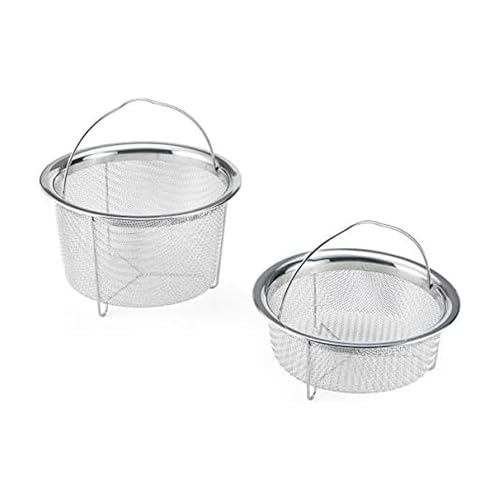
- Steam rack with handles: A metal trivet lifts meats, eggs and foil packets off the bottom of the pot, which helps prevent scorching and makes removal easier. Check price on Amazon
- Silicone sling: A sling lowers a roast, a casserole dish or a stack of ramekins into the pot and lifts them out without burning your hands. Check price on Amazon
FAQ
Can I cook frozen meat in an Instant Pot?
Yes. Frozen chicken breasts and pork roasts can go straight into the pot, but you should add about 5 to 10 minutes to the cook time compared with fresh or thawed meat. Check the internal temperature before serving.
Do I need to soak dried beans before pressure cooking?
No, but soaking shortens the cook time and can give more even texture. Unsoaked beans typically need 25 to 40 minutes at high pressure, depending on the variety.
Why does my Instant Pot say “burn” during cooking?
The pot is overheating the bottom, usually because there is not enough thin liquid or because thick sauce or food has stuck to the base. Add more broth, scrape the bottom, and make sure thick ingredients are layered on top rather than touching the pot.
Can I cook pasta in an Instant Pot without it turning mushy?
Yes. Use a short pasta shape, measure the liquid exactly as the recipe states, and use a quick release. Stir the pasta after release, since it continues to cook in residual heat.
Is pressure cooking safe for everyone?
Modern electric pressure cookers have multiple safety features, but you should always follow the manufacturer’s instructions and never open the lid while the pot is pressurized. If you have a medical condition or dietary restrictions that affect your meals, consult a healthcare professional or registered dietitian for personalized guidance.