 By Colin Foster
Updated November 2026
Ninja air fryer salmon recipes come down to three things: a fillet that is dried and lightly oiled, a temperature around 375°F, and a short cook time that stops before the fish dries out. Follow the steps below and you will get salmon with a crisp, seasoned top and a center that flakes easily with a fork.
Choose and Prep the Salmon
Fresh or fully thawed fillets work best. Skin-on fillets are forgiving because the skin protects the flesh and crisps nicely. Pat the fish dry with paper towels, since surface moisture steams the fillet instead of browning it. Fillets about 1 inch thick cook most evenly.
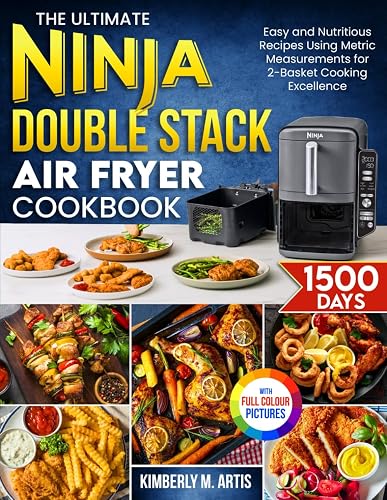
Shopping for one? See our guide: 7 Best Ninja Air Fryer Recipes Cookbooks for Beginners (2026).
Season and Oil the Fillets
Brush each fillet with about 1 teaspoon of olive oil or avocado oil per 6-ounce piece. Oil the fish rather than the basket, which keeps the fillet from sticking and gives a more even coat. Then season with salt, pepper and any dry rub you like. Garlic powder, smoked paprika and dried dill are reliable choices.
Set the Ninja and Cook
Preheat the air fryer for 3 to 5 minutes at 375°F. Place the fillets skin-side down in a single layer with space between them. Cook for 8 to 10 minutes for a 1-inch fillet, checking at 7 minutes. The fish is done when the thickest part reaches 145°F on an instant-read thermometer, or when it flakes easily and looks opaque throughout. Larger or thicker fillets may need 2 to 3 extra minutes.
Quick Timing Reference
| Fillet thickness | Temperature | Approximate time |
|---|---|---|
| 3/4 inch | 375°F | 6 to 8 minutes |
| 1 inch | 375°F | 8 to 10 minutes |
| 1 1/2 inches | 375°F | 10 to 12 minutes |
Add a Glaze or Sauce for the Last Minute
Sticky glazes burn if they go on too early. For teriyaki or honey-garlic salmon, cook the fillets plain for 6 minutes, brush on the sauce, then cook 2 to 4 more minutes until it caramelizes. If you want a more detailed sauce-based method, see Air Fryer Teriyaki Salmon Recipes: 5 Easy Steps for Sticky, Flaky Fish. For frozen fillets, add about 4 to 6 minutes and check the internal temperature, as shown in Air Fryer Frozen Salmon Recipes: 6 Easy Steps for Flaky Fish.
Common Mistakes
- Crowding the basket. Overlapping fillets steam instead of crisp, so cook in batches if needed.
- Skipping the preheat. A hot basket gives a better sear and more even cooking.
- Overcooking. Salmon keeps cooking for a minute or two after you remove it, so pull it at 140°F if you prefer a moister center.
- Using wet fish. Patting it dry matters more than most seasoning choices.
- Flipping too early. Let the skin or bottom set for a few minutes before turning, which prevents tearing.
Recommended Gear
A reliable instant-read thermometer takes the guesswork out of doneness, especially for thicker fillets. View on Amazon
Parchment liners made for air fryers keep the basket clean and make it easy to lift fillets out intact. View on Amazon
A small silicone-tipped brush helps you apply oil and glaze evenly without drips. View on Amazon
FAQ
Do I need to flip salmon in the Ninja air fryer?
Flipping is optional for 1-inch fillets because the heat circulates from above and below. If your fillets are thick or the top looks pale, turn them once at the halfway point.
Can I cook salmon from frozen in a Ninja air fryer?
Yes, but add about 4 to 6 minutes to the standard time and confirm the center reaches 145°F. Pat off any ice glaze first so the surface can brown.
How do I keep the fish from sticking to the basket?
Oil the fillet itself and use a parchment liner with holes or a light coat of cooking spray on the basket. Skin-on fillets release more easily than skinless ones.
Conclusion
Dry the fillets, oil and season them, and cook at 375°F for about 8 to 10 minutes for a 1-inch piece. Check doneness with a thermometer and add any glaze near the end to avoid burning. Once you have the basic method down, you can adapt it to nearly any seasoning you like.
Related reading
Ready to choose one?
About Colin Foster
Colin Foster is part of our editorial team and reviews and edits our home cooking with appliances guides, checking product details against manufacturer specifications and owner feedback.