 By Colin Foster
Updated November 2026
A pioneer woman chicken leg sheet pan dinner puts seasoned chicken legs, potatoes and vegetables on one pan and lets the oven do the work. Done right, you get crisp, golden skin, fully cooked meat that falls off the bone, and roasted sides that absorb the drippings. This guide walks through the ingredients, the prep, the oven timing and the fixes for the problems most home cooks run into.
What You Need Before You Start
Ree Drummond’s style of cooking leans on pantry staples, bold seasoning and a generous amount of fat, so the ingredient list is simple. The goal is a single pan that holds everything in one layer with a little room between pieces so the heat can circulate.
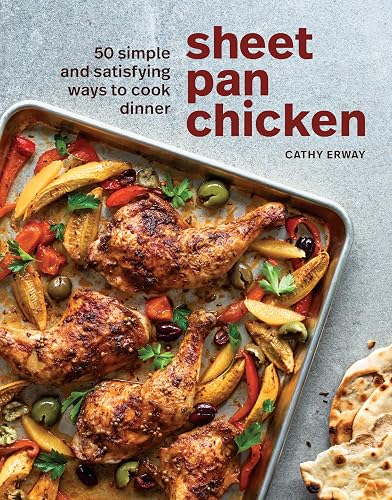
Shopping for one? See our guide: Sheet Pan Dinner Pioneer Woman: 5 Best Cookbooks for Easy Weeknights.
- 4 to 6 bone-in, skin-on chicken drumsticks or leg quarters (about 3 to 4 pounds total)
- 1.5 pounds baby potatoes or Yukon Gold potatoes, halved or quartered
- 1 large red onion, cut into wedges
- 1 red or yellow bell pepper, cut into strips
- 2 to 3 tablespoons olive oil or melted butter, divided
- 2 teaspoons kosher salt and 1 teaspoon black pepper
- 1 teaspoon garlic powder, 1 teaspoon paprika and 1 teaspoon dried thyme or Italian seasoning
- Optional: 1/2 cup barbecue sauce or a squeeze of lemon juice to finish
Equipment
- A heavy rimmed half-sheet pan (about 18 by 13 inches)
- Parchment paper or foil for easier cleanup, though a bare pan browns better
- An instant-read thermometer
- A large bowl for tossing the vegetables
Step 1: Prep the Chicken Legs for Crisp Skin
Skin is the most important part of this dish, and moisture is its enemy. Start by patting the chicken legs completely dry with paper towels. Trim any loose flaps of skin that could burn, and if the legs are very large, make one or two shallow cuts through the thickest part of the meat so the center cooks evenly.
Rub the legs with about a tablespoon of oil, then season all over with the salt, pepper, garlic powder, paprika and herbs. Salt the chicken at least 30 minutes ahead if you have time. The salt draws moisture to the surface, dissolves into it, then gets reabsorbed, which seasons the meat deeply and helps the skin dry out in the oven.
Step 2: Par-Cook the Potatoes
Potatoes and chicken legs need about the same amount of time in a hot oven, but raw potatoes dropped on the pan with chicken often stay firm in the middle. Two fixes solve this. You can microwave the potato pieces in a covered bowl for 4 to 5 minutes until just starting to soften, or you can cut them smaller, roughly 3/4-inch pieces, so they cook through in the same window.
Toss the potatoes with a tablespoon of oil, salt and pepper. Add the onion and pepper wedges to the same bowl so everything gets an even coating.
Step 3: Arrange the Pan
Place the vegetables in a single layer across the pan first. Set the chicken legs on top or beside them, skin side up. Leave a little space between pieces. If the pan is crowded, the chicken steams instead of roasting and the skin stays flabby.
Use a second pan if your chicken and vegetables won’t fit in a single layer. Two pans on two racks, rotated halfway through, works better than one overloaded sheet.
Step 4: Roast at the Right Temperature
Preheat the oven to 425°F and place a rack in the center position. Roast for 35 to 45 minutes, depending on the size of the legs. Drumsticks usually finish in about 35 to 40 minutes, while larger leg quarters can take 45 minutes or slightly longer.
How to Tell It’s Done
- The internal temperature at the thickest part of the meat, not touching bone, reads 175°F to 185°F for tender, pull-away meat. The USDA safety minimum for chicken is 165°F.
- The juices run clear when you pierce the thickest part.
- The skin is deep golden and crisp, not pale or rubbery.
- The potatoes pierce easily with a fork.
Rotate the pan front to back at the halfway point to even out hot spots. If the skin is browning faster than the meat cooks, move the pan down a rack or tent loosely with foil.
Step 5: Add the Finishing Touches
If you like barbecue flavor, brush the chicken with sauce during the final 5 to 8 minutes of roasting. Sugary sauces scorch quickly, so brushing them in the last few minutes gives caramelization without burning. A squeeze of lemon or a sprinkle of chopped parsley right before serving brightens the drippings.
Let the pan rest for 5 minutes before serving. The juices settle back into the meat and the skin stays crisp.
Sheet Pan Timing at a Glance
| Component | Prep | Oven Time at 425°F | Done When |
|---|---|---|---|
| Drumsticks | Dry, season 30 min ahead | 35 to 40 minutes | 165°F minimum, 175°F to 185°F for tender meat |
| Leg quarters | Dry, score thick areas | 45 to 50 minutes | Same temperature targets |
| Baby potatoes (halved) | Microwave 4 to 5 minutes | 30 to 35 minutes | Fork tender |
| Onion and pepper wedges | Cut uniformly | 25 to 30 minutes | Edges browned, centers tender |
For more on timing across different chicken cuts, see How Long to Cook Chicken Sheet Pan Dinner at 425°F? Times and Tips.
Common Mistakes to Avoid
- Skipping the drying step. Wet skin steams instead of crisping. Pat thoroughly, then dry again if needed.
- Crowding the pan. Overlapping pieces trap steam. Give everything room, or use two pans.
- Adding sugary sauce too early. Barbecue sauce burns long before the chicken is done. Save it for the last 5 to 8 minutes.
- Cooking potatoes from raw with no prep. Large, uncut potatoes stay hard while the chicken overcooks. Cut small or pre-cook.
- Pulling the chicken by color alone. Browned skin does not guarantee doneness. Use a thermometer.
- Covering the pan with foil the whole time. Foil traps moisture and softens the skin. Tent only if the skin is browning too fast.
Tips for Better Results
- Use a dark, heavy-gauge pan. Thin, shiny pans brown less evenly.
- Salt the chicken the night before for the most seasoned, juicy meat and the crispest skin.
- Change up the seasoning: add smoked paprika and brown sugar for a barbecue profile, or lemon zest and oregano for a Mediterranean version.
- Save leftover drippings for rice, gravy or a quick pan sauce. Skim the fat first.
- If you’re short on time, use boneless thighs instead. They cook faster, roughly 20 to 25 minutes at 425°F, though you lose some of the classic leg-quarter richness. For a more hands-off option, see Sheet Pan Dinner Chicken Thighs: A Step-by-Step Guide for Weeknights.
Variations to Try
Once the base method feels comfortable, the framework stretches easily. A Pioneer Woman Bbq Chicken Sheet Pan Dinner: Step-by-Step Guide for Weeknights version swaps the herb rub for barbecue sauce and smoked paprika. For a lighter approach, Chicken Broccoli and Sweet Potato Sheet Pan Dinner: Step-by-Step (2026) uses sweet potatoes and broccoli in place of the russets. A Buffalo Chicken Sheet Pan Dinner: A Step-by-Step Guide for Weeknights works well if you want something with more heat.
Recommended Gear
- Heavy-duty rimmed half-sheet pan. A thick, dark-finished pan conducts heat evenly and resists warping at 425°F. Look for one labeled half-sheet or 18 by 13 inches. View on Amazon
- Instant-read digital thermometer. It is the only reliable way to confirm doneness in thick chicken legs without cutting into them. View on Amazon
- Parchment paper sheets. They make cleanup easier, especially with sauced chicken, though they can slightly reduce browning. View on Amazon
FAQ
What temperature should I cook chicken legs on a sheet pan?
425°F is a reliable temperature for crisp skin and juicy meat. Lower temperatures tend to produce pale, rubbery skin, while much higher heat can scorch the outside before the center is done.
How long does a pioneer woman chicken leg sheet pan dinner take?
Drumsticks usually take 35 to 40 minutes at 425°F, and larger leg quarters take 45 to 50 minutes. Potatoes and vegetables finish in a similar window if they are cut small or pre-cooked.
Is it safe to eat chicken that is pink near the bone?
Pinkness near the bone can occur even in fully cooked chicken, especially in younger birds. Rely on an instant-read thermometer rather than color. The USDA minimum safe internal temperature for chicken is 165°F.
Can I use frozen chicken legs?
It is not recommended. Frozen pieces release a lot of water, which steams the skin and cooks unevenly. Thaw them completely in the refrigerator first, which generally takes a day for a few pounds of legs.
Why is my chicken skin soggy?
The most common causes are wet skin before roasting, a crowded pan, or covering the pan with foil. Dry the chicken well, leave space between pieces and roast uncovered.
Can I make this dinner ahead of time?
You can season the chicken and cut the vegetables a day ahead and store them refrigerated. Cook just before serving for the best skin texture, since reheated skin rarely crisps the same way.
Do I need to flip the chicken legs?
No. Roasting skin side up lets the skin render and crisp without extra handling. Rotating the pan halfway through is enough to even out the heat.
What should I serve with this dinner?
The dish is complete on its own, but a simple green salad or steamed green beans balance the rich drumsticks. Leftover pan juices also make a quick gravy when spooned over rice or mashed potatoes.
Conclusion
A pioneer woman chicken leg sheet pan dinner comes down to a few decisions: dry the skin, season early, space the pieces and cook at 425°F until the thickest part reads at least 165°F. Cut the potatoes small or pre-cook them, and save sugary sauces for the end. Once you have the method down, you can swap seasonings and vegetables freely while keeping the same reliable results.
Ready to choose one?
About Colin Foster
Colin Foster is part of our editorial team and reviews and edits our home cooking with appliances guides, checking product details against manufacturer specifications and owner feedback.