As an Amazon Associate we earn from qualifying purchases. This page may contain affiliate links.
Pork slow cooker recipes work well because the cooker turns tough, collagen-rich cuts into tender meat over several hours with very little attention. This guide shows you which cuts to buy, how much liquid to use, how long each cut needs on low and high, and how to avoid the dry, stringy results that give slow cooking a bad name. You will leave with a set of reliable methods you can adapt to almost any pork recipe.
Choose the Right Cut of Pork for the Slow Cooker
Not every cut of pork benefits from long, moist heat. Lean cuts with little connective tissue can dry out in a slow cooker, while fattier, working cuts break down into rich, shreddable meat. Before you shop, decide whether you want fork-tender pulled meat, sliced roast, or bone-in pieces that fall off the bone.
Best cuts for slow cooking
- Pork shoulder (Boston butt or picnic): The most forgiving choice. It has enough marbling and connective tissue to stay juicy through a long cook and shreds easily.
- Pork ribs (baby back or spare): Cut into sections so they fit, and expect a softer, more pull-apart texture than oven-roasted ribs.
- Boneless pork loin roast: Leaner than shoulder, so it needs more liquid and a shorter window. It slices well when cooked to the right point.
- Pork country-style ribs: Usually cut from the shoulder, so they behave like pulled pork but come in convenient pieces.
Cuts that need extra care
Pork tenderloin is very lean and cooks quickly. In a slow cooker it can turn grainy within a few hours. If you want tenderloin, use the low setting for no more than about 3 to 4 hours and check the internal temperature early. Pork chops also dry out easily. Bone-in chops with a thick cut tolerate the cooker better than thin boneless ones, but most cooks get better results by searing chops and finishing them in a skillet.
Essential Equipment and Prep Checklist
You do not need specialty gear to make good pork in a slow cooker, but a few items make the process more predictable.
- A slow cooker with at least a 6-quart capacity for a 3 to 4 pound shoulder or roast
- A nonstick or stainless skillet for searing (optional but recommended for flavor)
- An instant-read meat thermometer
- Tongs and two large forks for shredding
- A fat separator or wide spoon for skimming the cooking liquid
- Foil or a heatproof lid cover if your slow cooker lid fits loosely
Check your model’s manual before you start. Manufacturers specify different heat levels and fill guidelines, and many recommend filling the insert between about half and two-thirds full for safe, even cooking.
Step-by-Step Method for Tender Pork in the Slow Cooker
Almost every reliable pork slow cooker recipe follows the same basic sequence. Once you learn it, you can swap seasonings and liquids freely.
- Trim and season. Remove large hard fat pieces and any silver skin on loin. Pat the meat dry and rub it with salt, pepper, and your spice blend. Salting a few hours ahead, or overnight in the refrigerator, helps the seasoning penetrate.
- Sear (optional). Heat 1 tablespoon of oil in a skillet over medium-high heat. Sear each side for 2 to 3 minutes until browned. Browning adds flavor through the Maillard reaction, and the cooker does not produce that color on its own.
- Build a base. Lay sliced onions, garlic, or apples on the bottom of the insert. This raises the meat slightly so it does not sit directly on the heating surface and scorch.
- Add the meat and liquid. Place the pork on top of the base. Add about ½ cup of liquid for a roast or shoulder and up to 1 cup for a larger batch. Broth, stock, apple juice, or a mix all work. Too much liquid dilutes the flavor and produces watery sauce.
- Cook on low or high. Set the cooker and close the lid. Resist lifting the lid, since each peek can add 15 to 20 minutes to the total time.
- Check the temperature. Pork is safe at 145°F with a rest, according to USDA guidance. Shoulder is usually cooked far beyond that because the connective tissue needs to break down, and many cooks aim for 195°F to 205°F for easy shredding. Loin is best pulled at around 145°F to 150°F so it stays juicy.
- Rest and shred. Move the meat to a board and let it rest for 10 to 15 minutes. Shred pulled pork with two forks, then return it to the cooking liquid to keep it moist.
Three Pork Slow Cooker Recipes to Try
1. Classic pulled pork shoulder
Rub a 3 to 4 pound bone-in or boneless shoulder with 1 tablespoon brown sugar, 2 teaspoons smoked paprika, 1 teaspoon garlic powder, 1 teaspoon ground cumin, and salt and pepper. Sear it, then cook on low for 8 to 10 hours or high for 5 to 6 hours. Add ½ cup apple cider vinegar with ½ cup broth to the base. For a full method with sauce and serving ideas, see Slow Cooker Pork Shoulder for Pulled Pork Sandwiches.
2. Apple and onion pork loin
Place 1 sliced onion and 2 sliced apples in the insert. Season a 2 to 3 pound boneless loin with thyme, salt, and pepper, then set it on top. Pour in ¾ cup chicken broth mixed with 2 tablespoons Dijon mustard. Cook on low for 4 to 6 hours, checking the temperature after 3½ hours. Pull the roast at 145°F to 150°F, rest it for 10 minutes, and slice. Spoon the cooking liquid over the top as a simple sauce.
3. Honey garlic country-style ribs
Season 2 pounds of country-style ribs with salt, pepper, and garlic powder. Whisk together ½ cup ketchup, ¼ cup honey, 2 tablespoons soy sauce, and 2 minced garlic cloves. Arrange the ribs in the insert, pour the sauce over them, and cook on low for 6 to 7 hours. Once tender, transfer the ribs to a sheet pan and broil for 3 to 4 minutes to caramelize the glaze. This final step is optional but gives you a sticky, browned finish that the slow cooker cannot reach.
Timing and Liquid Reference
These are general ranges. Your cooker’s actual heat varies by model and by how full the insert is, so check the internal temperature rather than relying on the clock alone.
| Cut | Weight | Low setting | High setting | Target internal temp | Liquid to add |
|---|---|---|---|---|---|
| Pork shoulder | 3 to 4 lb | 8 to 10 hours | 5 to 6 hours | 195°F to 205°F (shreds) | ½ cup |
| Boneless loin roast | 2 to 3 lb | 4 to 6 hours | 2 to 3 hours | 145°F to 150°F (sliceable) | ¾ cup |
| Country-style ribs | 2 lb | 6 to 7 hours | 3 to 4 hours | 190°F to 200°F (tender) | ½ cup sauce |
| Pork tenderloin | 1 to 1½ lb | 2 to 3 hours | 1 to 1½ hours | 145°F (check early) | ¼ to ½ cup |
Common Mistakes and Tips for Better Results
- Overcooking lean cuts. Loin and tenderloin dry out on long cycles. Set a timer for the minimum time and check the temperature early.
- Drowning the meat. Pork releases its own juices. Too much broth boils the flavor away and leaves a thin, bland sauce. Start with the amounts in the table and add more only if the base looks dry.
- Lifting the lid. Every opening lets heat escape and extends cooking time. Wait until the scheduled finish time before checking.
- Skipping the rest. Resting for 10 to 15 minutes lets juices redistribute. Cutting immediately sends them onto the board.
- Serving greasy sauce. Fat rises to the top. Skim it with a spoon or refrigerate the liquid so the fat solidifies and lifts off easily.
- Adding dairy too early. Cream, cheese, and some sour dairy can separate after hours of heat. Stir them in during the final 15 to 20 minutes.
- Forgetting acid. A splash of vinegar, citrus, or mustard near the end brightens rich pork and balances sweet sauces.
For more ideas on timing, layering, and making weeknight meals easier, read Slow Cooker Tips and Tricks for Better Meals. If you are still deciding whether your current cooker suits these recipes, Slow Cooker Buying Guide covers size, heat settings, and insert materials. Cleanup after sticky barbecue sauces can be tough, so How to Clean a Slow Cooker and Remove Stubborn Stains is worth bookmarking.
Recommended Gear
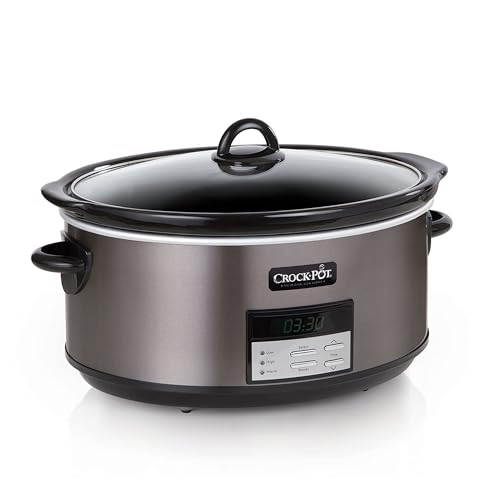
- A 6-quart programmable slow cooker. A cooker in this size fits a standard pork shoulder, and a programmable model lets you switch to warm automatically once the timer ends. Check price on Amazon
- A digital instant-read thermometer. Checking internal temperature is the only dependable way to know when loin is ready and shoulder is tender. Check price on Amazon
- Slow cooker liners. Disposable liners can make cleanup after sticky glazes faster, though they should be used according to the package directions. Check price on Amazon
FAQ
What is the best cut of pork for a slow cooker?
Pork shoulder is the most forgiving choice. Its fat and connective tissue keep it moist over 8 to 10 hours on low, and it shreds easily for sandwiches and bowls.
Can I cook frozen pork in a slow cooker?
Food safety guidance generally advises thawing pork in the refrigerator before slow cooking so the cooker reaches a safe temperature in the right window. Check current USDA and cooker manufacturer instructions before deciding, and consult a food safety professional if you have questions about your specific setup.
How do I keep pork from drying out?
Choose a fattier cut when possible, use the minimum recommended cook time, add enough cooking liquid to create steam without drowning the meat, and check the internal temperature early. Lean cuts like tenderloin and loin need the closest attention.
Should I sear pork before slow cooking?
Searing is optional, but it adds browned flavor that the cooker cannot create. Brown the meat in a hot skillet for 2 to 3 minutes per side before adding it to the insert.
How long does pulled pork last in the refrigerator?
Refrigerated cooked pork is generally considered safe for about 3 to 4 days, according to USDA guidance. For longer storage, freeze it in airtight containers with some of the cooking liquid to keep it moist when reheated.