As an Amazon Associate we earn from qualifying purchases. This page may contain affiliate links.
The best recipes for slow cooker dinners share one trait: they start with a little hands-on prep, then let low, steady heat do the work for six to eight hours. In this guide, you will learn how to choose a formula that suits a slow cooker, how to adjust liquid and timing, and how to turn a handful of pantry staples into dinners you can start before work. You will also get a timing chart, a prep checklist, and fixes for the problems that most often show up.
What Makes a Recipe Work in a Slow Cooker
A slow cooker traps moisture and cooks at a low, steady temperature, so it rewards certain kinds of food. Tough cuts of meat, dried beans, root vegetables, and thick sauces all soften and deepen over long cooking times. Delicate fish, quick-cooking greens, and anything meant to be crisp will turn mushy or gray. When you scan a recipe, look for these signs of a good fit:
- Tough, collagen-rich cuts: chuck roast, pork shoulder, bone-in chicken thighs, and beef short ribs turn tender after hours of low heat.
- Dense vegetables: potatoes, carrots, onions, and parsnips hold their shape. Add zucchini or spinach in the final 15 to 30 minutes.
- Legumes and grains: dried beans need soaking and often a fast boil first, but they cook well in the slow cooker. Quick-cooking rice and pasta usually need to be added near the end.
- Liquids that stay put: broth, tomatoes, beer, and wine work well. Dairy generally goes in at the end to prevent curdling.
Recipes built on these principles tend to succeed. Recipes that call for a crisp coating or a delicate sauce often disappoint unless you adapt them.
Recipes for Slow Cooker Dinners: Core Formulas to Learn First
Rather than memorizing dozens of individual recipes, learn a few formulas. Once you understand the pattern, you can swap ingredients and still get a reliable result. Here are four that cover most weeknight needs. For a deeper look, 21 Best Stovetop Pressure Cookers covers this in detail.
1. The Pot Roast Formula
Pat a 3- to 4-pound chuck roast dry and season it generously with salt and pepper. Sear it in a skillet over medium-high heat for about 3 minutes per side until browned. Transfer it to the slow cooker, add 1 pound of halved baby potatoes, 4 carrots cut into thick chunks, and 1 large sliced onion. Pour in 1 cup of beef broth and 1 tablespoon of tomato paste mixed with a splash of Worcestershire sauce. Cook on low for 8 to 9 hours or on high for 5 to 6 hours, until the meat pulls apart easily.
2. The Shredded Chicken Tacos Formula
Place 2 pounds of boneless chicken thighs in the slow cooker. Combine 1 cup of salsa, 1 tablespoon of chili powder, 1 teaspoon of cumin, and the juice of one lime. Pour the mixture over the chicken and cook on low for 6 hours. Shred the chicken with two forks, return it to the liquid, and let it sit for 10 minutes before serving. The meat absorbs the sauce as it cools slightly.
3. The Pulled Pork Formula
Pork shoulder is one of the most forgiving cuts for this method. Rub a 3- to 4-pound boneless pork shoulder with brown sugar, paprika, salt, and pepper. Add a half cup of apple cider or broth to the bottom of the pot and cook on low for 8 to 10 hours. For a full walkthrough, including how to finish the shredded meat with sauce, read our Slow Cooker Pork Shoulder for Pulled Pork Sandwiches guide.
4. The Chili Formula
Brown 1 pound of ground beef or turkey in a skillet, draining excess fat. Transfer it to the slow cooker with one 28-ounce can of crushed tomatoes, one 15-ounce can of drained kidney beans, one diced onion, two cloves of minced garlic, and 2 tablespoons of chili powder. Add 1 cup of beef broth and cook on low for 6 to 8 hours. Stir in salt to taste at the end, since flavors concentrate during long cooking.
Timing and Temperature: A Quick Reference
Most recipes list both low and high settings. Low usually produces more tender results for tough cuts, while high works when you need dinner sooner. Manufacturers generally specify that the pot should be between about half and two-thirds full for even cooking, so scale your recipe to fit.
| Food | Low Setting | High Setting | Notes |
|---|---|---|---|
| Chuck roast (3 to 4 lb) | 8 to 9 hours | 5 to 6 hours | Done when it pulls apart with a fork |
| Pork shoulder (3 to 4 lb) | 8 to 10 hours | 5 to 6 hours | Shreds easily when finished |
| Boneless chicken thighs | 6 to 7 hours | 3 to 4 hours | Use a thermometer for doneness |
| Dried beans (presoaked) | 7 to 9 hours | 4 to 5 hours | Add salt after beans are tender |
| Potatoes (1-inch chunks) | 6 to 8 hours | 3 to 4 hours | Place under meat for best texture |
| Frozen vegetables | Add in last 30 minutes | Add in last 20 minutes | Prevents overcooking |
These ranges are starting points. Slow cookers vary in how hot they run, so check doneness with a thermometer for poultry and pork rather than relying only on the clock.
Step-by-Step: Building Your Own Slow Cooker Recipe
Once you have a formula you trust, you can create variations without starting from scratch. Follow this sequence:
- Choose your protein or base. Pick a tough cut for long cooking or beans for a vegetarian option.
- Brown if you can. Searing meat in a skillet adds flavor through browning. It is optional, but it makes a noticeable difference in pot roast and pulled pork.
- Layer the ingredients. Put dense vegetables on the bottom, where the heat is most direct, then add meat, then pour in liquid. Avoid filling the pot past the manufacturer’s fill line.
- Use less liquid than you think. Slow cookers trap steam, so most recipes need only 1 to 2 cups of liquid for a 6-quart pot. Too much liquid produces a diluted sauce.
- Season in two stages. Add a moderate amount of salt at the start and adjust at the end. Long cooking concentrates salt and spice.
- Finish with fresh elements. Stir in herbs, citrus juice, cheese, or cream in the final minutes to brighten the dish.
Prep Checklist and Tools
Before you start, gather these items so you can prep in one session on a weekend and reheat through the week:
- A cutting board and sharp knife for uniform vegetable pieces
- A large skillet for searing meat and sautéing aromatics
- A measuring cup set and tablespoons for accurate liquid and spice amounts
- A instant-read thermometer for checking poultry and pork
- Paper towels for drying meat, which helps it brown
- Airtight containers if you plan to meal prep and refrigerate portions
Common Mistakes to Avoid
Most failed slow cooker meals come down to a handful of avoidable errors.
Lifting the Lid Too Often
Each time you open the lid, heat escapes and can add 15 to 20 minutes to the cooking time. Check progress only at the midpoint, and only when the recipe requires it.
Overfilling or Underfilling the Pot
An overfilled pot cooks unevenly and can fail to reach a safe temperature in the expected time. A nearly empty pot can scorch on the bottom. Stick to the half to two-thirds range.
Adding Dairy Too Early
Milk, cream, sour cream, and cheese can separate or curdle after hours of heat. Stir them in during the last 15 to 20 minutes, or add them after you turn off the cooker.
Skipping Thawing
Frozen meat takes much longer to reach a safe temperature and may spend too long in the danger zone. Thaw meat in the refrigerator before placing it in the pot. Food safety agencies such as the USDA publish guidance on safe thawing and cooking temperatures, and it is worth reviewing those guidelines if you cook frozen ingredients often.
Overcooking Lean Meat
Chicken breasts and pork loin dry out in long cooking. Use thighs or shoulder for long recipes, or shorten the time considerably for leaner cuts.
Forgetting to Adjust Seasoning
Taste and adjust salt, acid, and heat before serving. A squeeze of lime, a splash of vinegar, or a pinch of salt often rescues a flat dish.
Tips for Better Results Every Time
- Cut vegetables to a consistent size so they finish at the same time.
- Deglaze the skillet after searing with a little broth and pour the liquid into the slow cooker. You keep the browned bits, which add depth.
- Line the pot for easier cleanup, especially with sticky sauces. Liners are sold for this purpose.
- Keep a log of your favorite times and temperatures, since every machine runs a little differently.
- For more general strategies, see our Slow Cooker Tips and Tricks for Better Meals article.
Recommended Gear
These items are useful additions, not requirements. Choose based on how often you cook and how many people you usually feed.
- Slow cooker liners: These disposable bags reduce scrubbing after sticky dishes like barbecue pork or caramelized onions. They make most sense for busy weeknights when cleanup time matters. Check price on Amazon
- Instant-read thermometer: A quick-reading thermometer lets you confirm that chicken and pork have reached a safe internal temperature without cutting into the meat repeatedly. Check price on Amazon
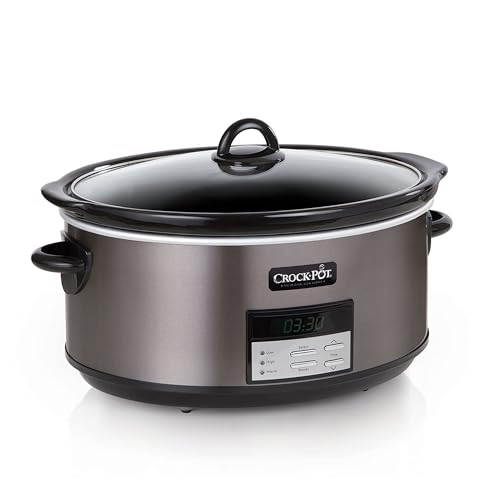
- Slow cooker with a locking lid: A locking lid helps you transport food to potlucks or family dinners without spills, which is useful for chili, stews, and saucy pulled meats. Check price on Amazon
If you are still deciding which model fits your kitchen, our Slow Cooker Buying Guide covers size, settings, and features in detail.
Keeping Your Slow Cooker in Good Shape
Regular cleaning prevents odors and stubborn residue that can affect the flavor of future meals. Remove the stoneware insert promptly after serving, soak it in warm soapy water, and avoid placing a hot insert into cold water, which can crack it. For baked-on residue, our guide on How to Clean a Slow Cooker and Remove Stubborn Stains explains safe methods step by step.
FAQ: Recipes for Slow Cooker Cooking
Can I convert a stovetop or oven recipe to a slow cooker?
Often, yes. Reduce added liquid by about a third, since slow cookers lose little moisture. Cook on low for 6 to 8 hours or high for 3 to 4 hours for meats that would take 1 to 2 hours in an oven. Add delicate ingredients near the end.
Do I need to brown meat before slow cooking?
No, but browning adds a deeper, roasted flavor that many people prefer. If you are short on time, you can skip it and still get a good result, especially with chili or shredded chicken.
Why is my slow cooker meal watery?
Slow cookers trap moisture, so recipes often need less liquid than stovetop versions. Remove the lid for the last 30 minutes on high to let it reduce, or stir in a slurry made from cornstarch and cold water.
Is it safe to leave a slow cooker on all day?
Slow cookers are designed for extended cooking, and many people use them while at work. Follow the manufacturer’s instructions, make sure the pot is at least half full, and confirm that the food reaches a safe temperature. For specific food safety questions, consult your local extension office or a food safety professional.
Can I freeze slow cooker meals?
Many soups, chilis, and shredded meats freeze well. Cool the food quickly, portion it into freezer-safe containers, and reheat it thoroughly on the stovetop or in the microwave until steaming hot throughout.