As an Amazon Associate we earn from qualifying purchases. This page may contain affiliate links.
Easy slow cooker recipes with few ingredients work because the appliance does most of the heavy lifting. A protein, one or two vegetables, a liquid, and a single seasoning blend can turn into a full dinner after 6 to 8 hours on low. This guide gives you a repeatable formula, four starter recipes with five ingredients or fewer, a timing chart, and the mistakes that most often lead to bland or watery results.
The Simple Formula Behind Few-Ingredient Slow Cooker Meals
Recipes with few ingredients succeed when each ingredient has a clear job. Once you understand those jobs, you can build a new dinner from memory instead of hunting for a printed recipe. Most successful versions follow the same four-part pattern.
Choose one main protein
Pick a cut that tolerates long, moist heat. Tougher cuts with connective tissue, such as chuck roast, pork shoulder, and bone-in chicken thighs, become tender over long cooking. Boneless skinless chicken breasts are lean and can dry out or turn stringy if they cook too long, so they are better suited to shorter timings or to recipes with plenty of sauce.
Add one or two vegetables that hold their shape
Onions, carrots, potatoes, and celery stand up well to several hours of cooking. Delicate greens and zucchini tend to break down into mush, so add them in the last 20 to 30 minutes or stir them in after cooking. Cut root vegetables into pieces roughly 1 to 1½ inches so they cook at the same pace as the meat.
Use a liquid with flavor
Water works in a pinch, but it dilutes flavor. Broth, canned tomatoes, salsa, a jar of sauce, or even a can of soup gives the dish a built-in seasoning base. Because a slow cooker traps moisture, you usually need less liquid than you would for a stovetop braise. Most recipes call for about 1 cup of liquid for a 3- to 4-pound cut of meat, plus whatever the vegetables release on their own.
Finish with a single seasoning or acid
A packet of taco seasoning, a spoonful of Dijon mustard, dried herbs, or a squeeze of lemon can carry the whole dish. Acid such as vinegar or citrus is usually best added at the end, since long cooking can dull bright flavors.
Four Starter Recipes With Five Ingredients or Fewer
These recipes follow the formula above. Each uses common pantry or refrigerator staples, and each can be adjusted for your household’s taste.
Salsa Chicken
- 2 to 2½ pounds boneless skinless chicken thighs (thighs hold up better than breasts)
- 1 jar (16 ounces) salsa, mild or medium
- 1 packet taco seasoning
- 1 can (15 ounces) black beans, drained (added in the last hour)
Place the chicken in the cooker, sprinkle with taco seasoning, and pour the salsa over the top. Cook on low for 6 to 7 hours. Shred the chicken with two forks, stir in the beans, and let it sit for 10 minutes before serving with tortillas, rice, or a salad.
Pork Shoulder With Onion and Broth
- 3 to 4 pounds boneless pork shoulder
- 1 large onion, sliced
- 1 cup chicken or vegetable broth
- 2 teaspoons smoked paprika
Rub the pork with paprika and a pinch of salt, then set it on the sliced onion. Add the broth and cook on low for 8 to 10 hours, or on high for 5 to 6 hours. For a complete walkthrough of this method, see Slow Cooker Pork Shoulder for Pulled Pork Sandwiches. The meat is ready when it pulls apart easily with a fork.
Beef and Potato Stew
- 2 pounds beef chuck, cut into 1½-inch cubes
- 1½ pounds baby potatoes, halved
- 1 can (14.5 ounces) diced tomatoes
- 1 envelope dry onion soup mix or 1 tablespoon dried thyme plus 1 teaspoon salt
Add everything to the cooker, stir gently, and cook on low for 8 hours. Chuck is forgiving because its collagen breaks down into a rich, body-filled sauce over time. Check the seasoning before serving and add salt or black pepper as needed.
Lentil and Tomato Soup
- 1 cup dried brown or green lentils, rinsed
- 1 can (28 ounces) crushed tomatoes
- 4 cups vegetable broth
- 1 onion, diced, and 2 carrots, chopped
Combine everything in the cooker and cook on low for 6 to 8 hours. Lentils do not need soaking, and they hold their shape well on low. Finish with a splash of red wine vinegar or lemon juice. This is a good option for a vegetarian dinner that needs almost no hands-on time.
Timing, Heat Settings, and Cook Times
Most slow cooker recipes list a range of hours. The table below gives general starting points. Actual times vary with cooker size, how full it is, and the thickness of the food, so check doneness rather than relying on the clock alone.
| Ingredient | Low (approximate) | High (approximate) | Notes |
|---|---|---|---|
| Chuck roast or pork shoulder | 8 to 10 hours | 5 to 6 hours | Done when it shreds easily |
| Boneless chicken thighs | 6 to 7 hours | 3 to 4 hours | Use a food thermometer to confirm doneness |
| Boneless chicken breasts | 4 to 5 hours | 2 to 3 hours | Dries out easily if overcooked |
| Dried lentils | 6 to 8 hours | 3 to 4 hours | Add 1 to 2 extra cups of liquid if needed |
| Potatoes (1½-inch pieces) | 7 to 8 hours | 3 to 4 hours | Place under the meat or near the liquid |
Low heat generally produces more tender, evenly cooked food, and it suits workdays when you will be gone for most of the afternoon. High heat works when you have less time, but it can make thin cuts tough. Manufacturers of many slow cookers specify that the lid should stay closed during cooking, because each time it lifts, the temperature can drop by a significant amount and add time. Resist the urge to peek.
Preparation Checklist for Few-Ingredient Recipes
A short set of tools and steps keeps the process predictable. Before you start, confirm you have the following:
- A slow cooker that fits the recipe. Most cookers work best when they are between half and two-thirds full.
- A cutting board and sharp knife for uniform vegetable pieces.
- Measuring spoons for dried seasonings, since salt and spice amounts matter more with fewer ingredients.
- A food thermometer to check that poultry and pork reach safe internal temperatures before serving.
- Thawed meat. Putting frozen meat in a slow cooker can keep it in the temperature danger zone for too long, so thaw it in the refrigerator first.
- Two forks or a pair of tongs for shredding and serving.
If you cook on weeknights, it helps to portion vegetables and measure seasonings the night before. The approach in How to Prepare Common Ingredients Ahead of Time works well here, and you can keep the pieces in labeled containers in the refrigerator until morning.
Common Mistakes With Simple Slow Cooker Recipes
Few-ingredient recipes leave little room for error, so small mistakes show up clearly. These are the issues that come up most often.
Too much liquid
Slow cookers hold moisture, and vegetables release water as they cook. A recipe that calls for 2 cups of broth in a stovetop pot may produce a thin, soupy result in a slow cooker. Start with the smaller amount in your recipe, and add more only if the food is not partly submerged.
Cooking lean meat too long
Chicken breasts and pork tenderloin can go from done to dry in an hour or two. Pull them when they reach a safe internal temperature rather than waiting for the timer to finish.
Adding dairy too early
Milk, cream, and cheese can separate or curdle during long cooking. Stir them in during the last 15 to 30 minutes, or add them when you serve.
Skipping the sear for flavor-heavy dishes
Searing meat in a skillet before it goes into the cooker is optional, but it adds browned flavor that is hard to get otherwise. With only four or five ingredients, that extra step can make a noticeable difference. It does add a pan to wash.
Forgetting to season at the end
Long cooking can mute salt and spice. Taste near the end and adjust. A squeeze of lemon or a spoonful of vinegar often brightens a dish more than adding more salt.
Tips for Better Results Every Time
- Brown the onion or garlic briefly in a pan if you want deeper flavor, even though it adds a step.
- Keep a few reliable combinations on hand: salsa and chicken, broth and pork, tomatoes and lentils, or cream of mushroom soup and beef.
- Use a liner bag if you dislike scrubbing. Follow the manufacturer’s instructions, since some liners are not suited to every model.
- Serve the cooked food with a fresh element, such as chopped herbs, a green salad, or a handful of shredded cheese, to balance the soft textures.
- Store leftovers within two hours of finishing the meal, and refrigerate them in shallow containers so they cool quickly.
For general guidance on choosing a model and getting the most from it, the Slow Cooker Buying Guide covers size, settings, and insert materials. If you are comparing styles, Pressure Cooker Basics explains when a pressure cooker is a better fit than a slow cooker for similar meals.
Recommended Gear for Few-Ingredient Slow Cooking
These items are useful for this style of cooking. None are required, but each addresses a specific issue covered above.
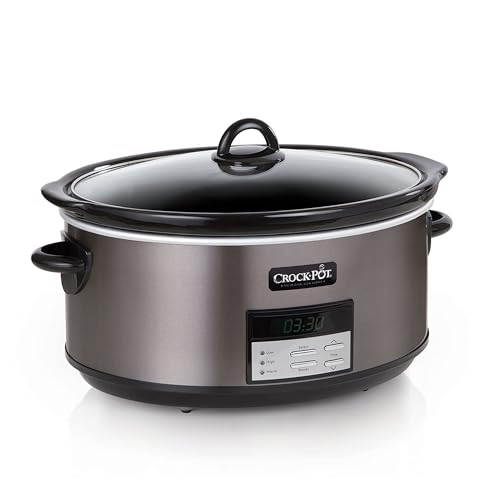
- A programmable slow cooker with a warm setting. A timer and automatic switch to warm let you start the cooker in the morning without worrying about overcooking by evening. Check price on Amazon
- Slow cooker liners. Disposable liners reduce cleanup time after sticky sauces or starchy stews. Check price on Amazon
- An instant-read digital thermometer. It confirms that chicken and pork have reached safe internal temperatures without guesswork. Check price on Amazon
- Heat-resistant silicone tongs. They help you lift large pieces of meat and stir thick stews without scratching the ceramic insert. Check price on Amazon
FAQ
Can I put raw meat and vegetables in the slow cooker together?
Yes, for most recipes. Root vegetables and tougher cuts benefit from long contact with the liquid. Just make sure the meat is fully thawed and that poultry and pork reach a safe internal temperature before serving.
Do I need to add water to a slow cooker recipe?
Often you do not. Broth, salsa, canned tomatoes, and vegetables release liquid during cooking. Start with the amount in the recipe, and add more only if the food is not partly covered.
Why is my slow cooker meal watery?
The lid traps steam, and vegetables release water. Reduce the liquid next time, leave the lid off for the last 30 minutes on high, or thicken the sauce with a cornstarch slurry or by simmering it in a pan on the stove.
Can I double a few-ingredient slow cooker recipe?
You can double many recipes if the cooker is large enough, but do not fill it past about two-thirds full. Cooking times may increase, so check doneness with a thermometer rather than relying on the original time.
Is it safe to leave a slow cooker on all day?
Modern slow cookers are designed for extended cooking on low, and many manufacturers specify this use. Follow the instructions in your model’s manual, thaw frozen food first, and consult your local extension service or a food safety resource if you have specific concerns about temperatures or storage.