As an Amazon Associate I earn from qualifying purchases. This page may contain affiliate links.
Cooking dried pinto beans in an Instant Pot cuts the soak-and-simmer routine down to about an hour, and the results are creamy beans without the constant stovetop watching. Whether you want instant pot pinto beans for weeknight chili, burritos or a big batch to freeze, the right appliance matters. This guide compares nine options against the criteria that actually affect bean cooking: pressure capacity, pot size for a full pound of dried beans, a sealing system that holds steam through a long cook, and the controls you need for pressure and natural release. Each pick is matched to a specific kind of cook.
Our Top Picks
Quick Comparison
| Product | Best for | Key feature |
|---|---|---|
| Instant Pot Duo 6 Qt | Most home cooks making a family-size pot of beans | Seven-in-one pressure cooker with a bean/chili preset |
| Instant Pot Duo 8 Qt | Batch cooking and meal prep | Extra capacity for two pounds of dried beans |
| Instant Pot Duo Plus 6 Qt | Users who want precise pressure control | Adjustable pressure levels and a longer-lasting sealing ring design |
| Instant Pot Duo Mini 3 Qt | Solo cooks and small kitchens | Compact footprint for one to two servings |
| Instant Pot Pro 6 Qt | Cooks who want a stainless steel inner pot | Stainless steel cooking pot with multiple pressure settings |
| Instant Pot Max 6 Qt | Cooks who want faster high-pressure cooking | Higher maximum pressure for shorter bean cook times |
| Instant Pot Ultra 6 Qt | Cooks who value a clear, simple control panel | Expanded programmable settings with a large display |
| Instant Pot Accessory Ring and Steamer Basket Set | Adding a steamer or spare sealing ring to your setup | Replacement sealing ring and stainless steel steamer insert |
| Instant Pot Replacement Silicone Sealing Ring | Owners refreshing a worn ring after frequent bean batches | Food-grade silicone ring to maintain steam seal |
Instant Pot Duo 6 Qt
This is the default choice for most people cooking instant pot pinto beans for a family or for a few days of meals. Its six-quart pot holds about a pound of dried pinto beans plus the required water with room to spare.
Key specs
- Capacity: 6 quarts
- Functions: pressure cook, slow cook, rice, sauté, steam, yogurt, warm and keep warm
- Stainless steel inner pot with a non-stick-free finish
- Bean/chili preset for dried beans
Pros For a deeper look, When and How to Use an Instant-Read Thermometer covers this in detail.
- Well-established model with broad owner familiarity
- Right size for a standard pound of dried beans
- Multiple functions reduce the need for extra cookware
Cons
- The preset is a starting point; many owners adjust time for their bean variety
- Takes up noticeable counter and cabinet space
Instant Pot Duo 8 Qt
Best for cooks who regularly batch-cook beans for meal prep, freezing or large gatherings. The extra two quarts make a real difference when you want two or more pounds of dried beans in a single cycle.
Key specs
- Capacity: 8 quarts
- Same seven-in-one function set as the Duo 6 Qt
- Stainless steel inner pot
- Requires a larger countertop footprint
Pros
- Room for two pounds of dried beans or a double batch of chili
- Good for freezing portions after cooking
- Same controls as the smaller Duo, so there is no learning curve
Cons
- Overkill for one or two people
- Heavier and harder to store
Instant Pot Duo Plus 6 Qt
Suited to cooks who want more control over pressure levels and a cooker that handles long, precise cycles. The Duo Plus adds a dedicated pressure-level adjustment, which some bean cooks like for fine-tuning texture.
Key specs
- Capacity: 6 quarts
- Adjustable low and high pressure settings
- Updated sealing and venting design
- Stainless steel inner pot
Pros
- Pressure-level control helps with delicate or older beans
- Same 6-quart capacity as the standard Duo
- Updated lid design is a common owner talking point
Cons
- More settings can slow down first-time use
- Costs more than the base Duo for features beans rarely need
Instant Pot Duo Mini 3 Qt
A good fit for one or two people who want a few cups of cooked beans at a time. Its three-quart pot is small, so it works for kitchens where a six-quart unit would crowd the counter.
Key specs
- Capacity: 3 quarts
- Pressure cook, sauté, steam, slow cook and keep warm functions
- Compact footprint
Pros
- Fast to pressurize with a small volume of water
- Easy to store and clean
- Works well for a half-cup to one-cup dried bean portion
Cons
- Cannot hold a full pound of dried beans safely
- Limited for family cooking or batch work
Instant Pot Pro 6 Qt
A strong pick for cooks who prefer a stainless steel cooking vessel and want multiple pressure options. Beans cooked in stainless steel can be easier to deglaze and season directly in the pot.
Key specs
- Capacity: 6 quarts
- Multiple pressure settings
- Stainless steel cooking pot
- Built-in program presets
Pros
- Stainless steel pot suits browning and deglazing before adding beans
- Right capacity for standard dried bean batches
- Good for cooks who avoid coated cookware
Cons
- Food can stick if you skip water or stir before pressure cooking
- Learning curve for pressure settings
Instant Pot Max 6 Qt
Aimed at cooks who want high-pressure cooking for shorter bean cycles. Higher maximum pressure can reduce the total time to tender beans, though soaking habits still matter.
Key specs
- Capacity: 6 quarts
- Higher maximum pressure than standard models
- Stainless steel inner pot
- Pressure cook, sauté, slow cook and steam functions
Pros
- Higher pressure can shorten bean cook times
- Good for dense, older dried beans
- Same capacity as the standard six-quart Duo
Cons
- Higher pressure needs careful attention to natural release timing
- Owners sometimes report foaming if beans are not rinsed or oil is not added
Instant Pot Ultra 6 Qt
Best for cooks who want a clear display and programmable settings they can customize. The Ultra’s control panel is often described as easier to read than older models.
Key specs
- Capacity: 6 quarts
- Expanded programmable settings
- Large display panel
- Stainless steel inner pot
Pros
- Clear display makes time and pressure easy to track
- Custom programs can store your preferred bean timing
- Right size for a full pound of dried beans
Cons
- More buttons can overwhelm beginners
- Requires reading the manual for custom program setup
Instant Pot Accessory Ring and Steamer Basket Set
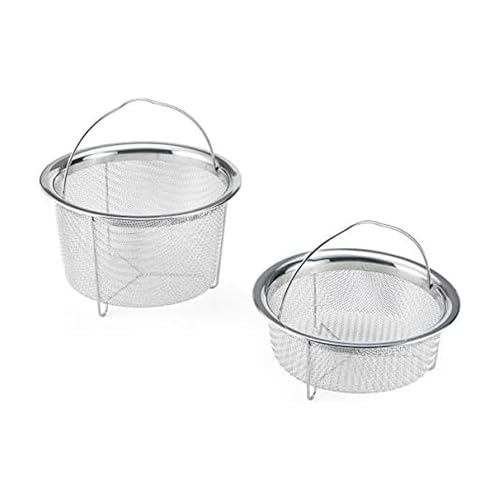
A useful add-on for cooks who want a spare sealing ring and a steamer insert for cooking beans alongside vegetables or grains. Having a backup ring also helps if your first one develops odors.
Key specs
- Includes a silicone sealing ring and a stainless steel steamer basket
- Designed for Instant Pot pressure cookers
Pros
- Lets you keep one ring for savory and one for sweet cooking
- Steamer basket supports side-dish cooking
- Inexpensive way to expand what your cooker can do
Cons
- Only compatible with matching Instant Pot models
- Not a standalone bean cooker
Instant Pot Replacement Silicone Sealing Ring
The sealing ring is the most important wear part for bean cooking. Owners who cook dried beans often report replacing rings sooner than those who cook mostly soups or rice.
Key specs
- Food-grade silicone
- Replacement fit for standard Instant Pot lids
- Maintains pressure seal
Pros
- Restores a reliable seal when the old ring stretches or holds odors
- Low-cost maintenance part
- Easy to swap out in a few seconds
Cons
- Must match your specific model’s lid size
- Does not add any cooking function
Buying Guide
Cooking dried beans in a pressure cooker is different from cooking soups or rice. Beans foam, need a lot of water, and benefit from a long natural release. Choose your appliance with those demands in mind.
Selection Criteria
- Capacity: A six-quart pot holds about one pound of dried pinto beans with enough water. Eight quarts handles two pounds or a generous double batch.
- Pressure range: Standard high pressure works for most beans. Higher-pressure models can shorten cook time for stubborn, old beans.
- Sealing and venting: A tight lid and a reliable sealing ring prevent steam loss during long cycles.
- Controls: A bean or chili preset gives you a sensible starting point. Manual pressure and time settings give you more control.
- Inner pot material: Stainless steel is good for browning and deglazing. Coated pots are easier to clean but need care with high heat.
Important Features
Look for a natural release option, since most bean recipes call for 10 to 20 minutes of natural release before venting. A foam-control or anti-foam design is also helpful, because pinto beans can froth during pressurization.
Specs to Check
- Maximum fill line for beans (usually half full for foaming foods)
- Maximum pressure in PSI
- Presence of a bean or chili program
- Sealing ring compatibility with your lid
Manufacturers specify fill limits for dried beans, often recommending the pot be no more than half full. Follow the official manual for your model.
Choosing by Need
- Everyday family cooking: Duo 6 Qt or Ultra 6 Qt
- Batch cooking and freezing: Duo 8 Qt
- Solo cooks: Duo Mini 3 Qt
- Stainless steel preference: Pro 6 Qt
- Shorter cook times for hard beans: Max 6 Qt
Things to Watch Out For
- Never fill past the maximum line for beans. Foam can block the pressure valve.
- Rinse dried beans and add a small amount of oil if your recipe calls for it to reduce foaming.
- Replace a sealing ring that smells strongly or shows cracks.
- Allow full natural release before opening the lid. Quick release can spray starchy liquid.
Pressure cookers involve real safety considerations. If you have a medical condition that affects diet or you are unsure about home canning or large-batch food safety, consult a qualified professional.
For more background on pressure cooking techniques, see Pressure Luck Instant Pot Recipes: A Step-by-Step Guide. If you want a bean-based dinner to try, One-Pot Beef and Bean Chili is a natural next step. For general pot selection, Types of Pots and Pans Explained: Frying Pans, Saucepans, Stockpots and More covers the cookware basics.
FAQ
Do I need to soak pinto beans before cooking them in an Instant Pot?
No. Many home cooks skip soaking when pressure cooking, which is one of the main advantages of the method. Rinse the beans, pick out any debris, and cook them with enough water. Some cooks soak for a few hours to reduce foaming and shorten cook time, so either approach can work.
How much water do I use for instant pot pinto beans?
A common starting point is about 8 cups of water for one pound of dried pinto beans, though this varies by recipe and bean age. Always stay below the maximum fill line for beans in your manual.
How long should I pressure cook dried pinto beans?
Cook times vary by bean freshness and whether they were soaked. Unsoaked pinto beans commonly cook for roughly 25 to 35 minutes at high pressure, followed by a natural release. Check a tested recipe and adjust based on how tender the beans are.
Why are my beans foaming, and how do I stop it?
Pinto beans release starch that can foam under pressure, which can clog the valve. Rinse beans well, add a small amount of oil, and keep the pot below the fill line. A natural release helps settle foam before venting.
Can I use a slow cooker instead?
Yes, but a slow cooker takes many hours rather than under an hour. The Instant Pot is the better choice when you want beans quickly. Both are useful depending on how much time you have.
How do I know when the beans are done?
Fully cooked pinto beans should be creamy inside with no chalky center. Taste a few beans before draining. If they are still firm, return them to pressure for a few more minutes.
Should I add salt before pressure cooking?
Many cooks add salt after cooking, since some sources suggest salt can affect skin texture when added early. Experiment and see which method suits your recipe.
Conclusion
For most cooks making instant pot pinto beans for a household, the Instant Pot Duo 6 Qt is the practical starting point, with the Ultra 6 Qt for those who want programmable controls and the Duo 8 Qt for batch cooking. Solo cooks should look at the Duo Mini 3 Qt, while stainless steel fans may prefer the Pro 6 Qt. Keep a spare sealing ring on hand, since a fresh seal matters most for long bean cycles. Match the appliance to your household size and cooking habits, follow your manual’s fill limits, and you will get reliable, creamy beans every time.