As an Amazon Associate I earn from qualifying purchases. This page may contain affiliate links.
A fall harvest sheet pan dinner is one of the easiest ways to get a full meal on the table: squash, potatoes, carrots, apples, onions and a protein all roasting together on one tray. The catch is that the pan does most of the work. If it warps, runs hot in one corner, or is too small for the vegetables you’re piling on, you end up with soggy squash and pale sausage instead of caramelized edges. This guide looks at the pans that handle those jobs best, using published specifications, brand reputation and the patterns owners tend to mention in their reviews.
Our Top Picks
Quick Comparison
| Product | Best for | Key feature |
|---|---|---|
| USA Pan Half Sheet Pan | Crispy edges on roasted root vegetables | Aluminized steel with a nonstick finish |
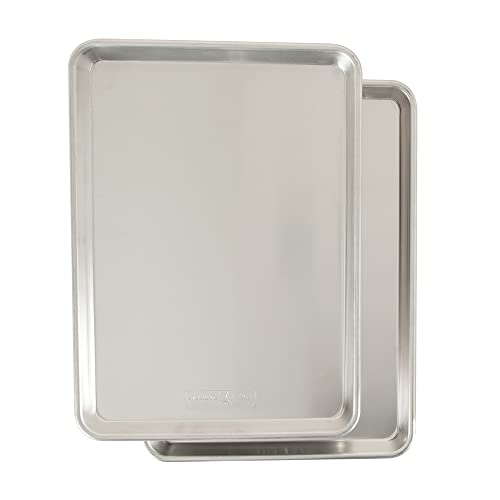
| Nordic Ware Half Sheet | Even browning for sausage and squash | Heavy-gauge aluminum construction |
| Vollrath Wear-Ever Half Sheet | Heavy daily use and large batches | Commercial-grade aluminum with reinforced rim |
| All-Clad Stainless Steel Half Sheet | Deglazing pan juices into a quick gravy | Multi-ply stainless steel, no nonstick coating |
| Lodge Cast Iron Griddle | High-heat searing of chicken thighs and sausage | Seasoned cast iron that holds heat well |
| Chicago Metallic Commercial II Quarter Sheet | Small households and two-person dinners | Compact footprint that fits smaller ovens |
| Fat Daddio’s Anodized Aluminum Sheet Pan | Budget-minded cooks who want an upgrade | Hard-anodized surface that resists warping |
USA Pan Half Sheet Pan
This is a strong default for cooks who roast a lot of root vegetables and want reliable browning without fuss. Its nonstick surface makes cleanup of caramelized maple and honey glazes easier, and the heavier gauge helps it hold temperature when you load it with cold produce.
Key specs
- Standard half sheet size, roughly 18 by 13 inches
- Aluminized steel body
- Nonstick interior coating
- Rimmed edges to contain juices
Pros
- Good browning on potatoes and squash
- Nonstick finish releases roasted sugars cleanly
- Fits standard home oven racks
Cons
- Nonstick coating needs gentle utensils and should not be heated empty at high temperatures
- Can discolor over time with heavy use
Nordic Ware Half Sheet
Owners of this pan often describe it as dependable for weeknight roasting. The aluminum body spreads heat evenly, which matters when you are trying to cook sausage links and a tray of Brussels sprouts to the same doneness. It is a practical choice for cooks who want a traditional pan without a premium price tag.
Key specs
- Half sheet size, about 18 by 13 inches
- Heavy-gauge aluminum
- Rolled rim for strength
- Oven-safe to high temperatures
Pros
- Even heat distribution across the surface
- Sturdy rolled edges resist bending
- Simple, familiar design for any kitchen
Cons
- Bare aluminum can react with acidic marinades, so line it for citrus-heavy recipes
- Browning is lighter on the surface than dark-coated pans
Vollrath Wear-Ever Half Sheet
This pan suits people who cook fall dinners for a crowd or who roast every weekend and want a pan that will last. It is built to a commercial standard, so it handles repeated heavy loads and high oven temperatures without much fuss.
Key specs
- Half sheet size, about 18 by 13 inches
- Commercial-grade aluminum
- Reinforced rim
- Designed for professional kitchen use
Pros
- Durable enough for daily heavy use
- Holds a large volume of vegetables without bending
- Consistent results batch after batch
Cons
- Plain aluminum finish needs seasoning or parchment to prevent sticking
- Utilitarian look may not suit every kitchen
All-Clad Stainless Steel Half Sheet
Stainless steel is the choice when you want browned bits on the pan that you can scrape up for a quick pan sauce after the vegetables come out. Cooks who make a fall dinner with pan juices in mind will get more from this surface than from nonstick.
Key specs
- Half sheet size, about 18 by 13 inches
- Multi-ply stainless steel construction with an aluminum core
- No nonstick coating
- Oven-safe and dishwasher-safe
Pros
- Excellent for building fond and pan sauces
- Durable and resistant to warping
- Does not degrade with high heat
Cons
- Food can stick without parchment or oil, especially with sugary glazes
- Premium option that is a significant investment for occasional roasters
Lodge Cast Iron Griddle
A cast iron griddle works well for fall dinners built around sausage, chicken thighs or pork chops, where you want a hard sear and then a finish in the oven. It is heavier than a standard sheet pan, so it suits cooks comfortable handling a hot, heavy piece of cookware.
Key specs
- Pre-seasoned cast iron
- Flat cooking surface suitable for roasting and searing
- Oven-safe at high temperatures
- Compatible with stovetop and oven
Pros
- Retains heat well for strong browning
- Works on the stovetop and in the oven
- Improves with regular seasoning
Cons
- Heavy, and hard to move when full
- Acidic ingredients like tomatoes or citrus can strip seasoning
Chicago Metallic Commercial II Quarter Sheet
If you cook for one or two people, a quarter sheet gives you enough room for a small batch of vegetables and a couple of chicken thighs without crowding. It also fits in smaller ovens and toaster ovens, where a full half sheet would not fit at all.
Key specs
- Quarter sheet size, about 13 by 9 inches
- Heavy-gauge aluminized steel
- Rolled edges
- Designed for commercial-style use
Pros
- Compact size suits small households
- Works well in toaster ovens and small ovens
- Sturdy construction for its size
Cons
- Too small for a full family-size harvest dinner
- Crowding is likely if you add too many vegetables
Fat Daddio’s Anodized Aluminum Sheet Pan
This is a practical choice for cooks who want better warp resistance than thin standard pans offer, without moving into premium territory. Anodized aluminum has a harder surface than plain aluminum, which helps it resist scratching and reacting with food.
Key specs
- Half sheet size, about 18 by 13 inches
- Hard-anodized aluminum
- Rimmed edges
- Oven-safe for standard roasting temperatures
Pros
- Good value for an upgrade over thin pans
- Anodized surface resists reacting with acidic food
- Resists warping under typical home oven heat
Cons
- Less widely recognized brand than some alternatives
- Surface may still stick without parchment or oil
Buying Guide
Selection criteria
Each pan here was assessed against the demands of a fall harvest dinner: heavy loads of dense vegetables, sugary glazes that can burn, juices that need containing, and oven temperatures that often run from 400°F to 425°F. Specifications, material, brand reputation and common owner feedback were the main inputs.
Important features
- Material: Aluminum heats quickly and evenly. Aluminized steel and heavy-gauge aluminum resist warping. Stainless steel builds better fond but sticks more. Cast iron retains heat strongly but is heavy.
- Rim height: A rolled or rimmed edge keeps honey-maple juices from dripping into your oven.
- Surface: Nonstick makes cleanup easy with sugars. Bare metal and seasoned surfaces give more browning and fond.
- Gauge and thickness: Thicker pans hold temperature better when cold vegetables go in.
Specs to check
- Interior dimensions, so the pan fits your oven rack with room for air to circulate
- Maximum oven temperature rating, which should cover at least 425°F
- Whether the coating is rated for the heat you plan to use
- Whether the pan is dishwasher safe, though hand washing extends the life of most finishes
Choosing by need
- Families and frequent roasters: A half sheet in heavy aluminum or commercial-grade aluminum.
- Pan sauces and fond: Stainless steel.
- Searing sausage or chicken thighs: Cast iron.
- Small households: A quarter sheet.
Things to watch out for
- Pans that are too small. Overcrowding steams vegetables instead of roasting them.
- Thin metal that warps when it heats unevenly, leaving a tilted tray of juices.
- Acidic marinades on bare aluminum, which can cause discoloration or a metallic taste.
- Metal utensils on nonstick surfaces, which damage the coating over time.
Before relying on any pan for a dinner you are serving to guests, it is worth doing a practice run. If you have a medical condition that affects diet or food safety, consult a professional for advice on preparation.
For more on preparing the rest of the meal, see Sheet Pan Dinners Recipes: 6 Easy Weeknight Meals and Tips and Sheet Pan Chicken Thighs and Vegetables. If you are choosing between pan materials in general, Baking Sheet Buying Guide covers the trade-offs in more detail, and How to Clean, Season, and Store Baking Sheets explains how to keep the pan in good shape.
FAQ
What size sheet pan works best for a fall harvest sheet pan dinner?
A half sheet, roughly 18 by 13 inches, is the most common choice for feeding a family of four. A quarter sheet works for one or two people. Whatever size you choose, spread vegetables in a single layer so they roast rather than steam.
Should I use parchment paper or foil?
Parchment paper is the better choice for sugary glazes, since it reduces sticking and makes cleanup easier. Foil works well for savory roasts and can help with sheet-pan browning, but it can tear under heavy, wet ingredients.
Can I use a nonstick pan for high-heat roasting?
Most nonstick coatings are rated for moderate to high oven temperatures, but manufacturers commonly specify a maximum. Check the rating on your pan before roasting at 425°F or above, and avoid preheating an empty nonstick pan at high heat.
Why are my vegetables soggy instead of caramelized?
The most common causes are overcrowding, too low an oven temperature, or wet vegetables. Cut the pieces to a similar size, pat them dry, leave space between them, and roast at 400°F to 425°F.
Do I need a rimmed pan?
Yes, for most fall dinners. Rimmed edges keep juices from maple glazes and roasted squash from spilling out, which protects your oven and makes the pan easier to handle.
How do I prevent a sheet pan from warping?
Avoid sudden temperature changes, such as placing a hot pan under cold water. Choose a heavier gauge metal, and let the pan cool before washing. Pans that are thin or made from lighter metals are more prone to bending.
Is cast iron a good option for sheet pan dinners?
It can be, particularly for searing and for dishes with a lot of protein. Cast iron is heavy and retains heat well, but it needs regular seasoning and should be used with care when acidic ingredients are involved.
Conclusion
For most home cooks making a fall harvest sheet pan dinner, a heavy-gauge half sheet is the right starting point. The USA Pan and Nordic Ware options suit everyday roasting, while the Vollrath pan fits cooks who want commercial durability. Choose the All-Clad stainless pick if you value pan sauces, the Lodge griddle if you want a hard sear on sausage or chicken thighs, and the Chicago Metallic quarter sheet if you cook for one or two. The Fat Daddio’s anodized pan is a practical middle ground for those who want better warp resistance without a premium price. Match the pan to the way you cook, not just the size of your oven, and your harvest dinners will come out browned, tender and easy to clean up.