As an Amazon Associate I earn from qualifying purchases. This page may contain affiliate links.
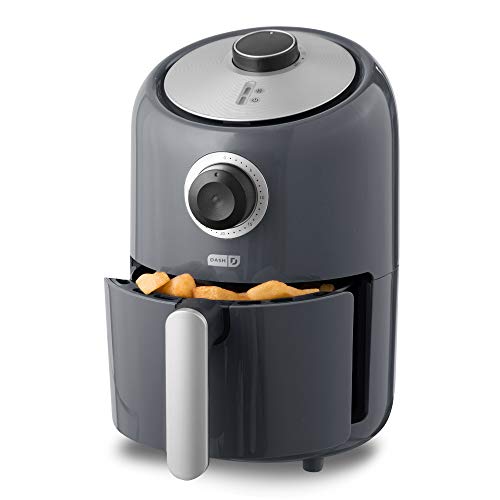
An air fryer vs oven comparison comes down to how you cook, not which appliance is better on paper. An air fryer wins for small batches, weeknight speed and anyone who wants crisp food without preheating a large box. A conventional oven wins for big batches, baking, roasting whole meals and cooking anything too large for an air fryer basket. Most home cooks who own both use the air fryer for quick, small jobs and the oven for everything else.
| Criterion | Air Fryer | Conventional Oven |
|---|---|---|
| Preheat time | Usually 3 to 5 minutes, or none | Often 10 to 15 minutes |
| Typical cooking time for fries or wings | Frequently 15 to 25 minutes | Often 30 to 45 minutes |
| Capacity | Small; best for 1 to 4 servings | Large; full sheet pans and casseroles |
| Energy use for small meals | Lower, because the cavity is small | Higher, because the whole cavity heats |
| Browning and crispness | Excellent on small items | Good, but slower and less intense |
| Baking (cakes, bread, cookies) | Limited; works with small pans | Reliable and versatile |
| Roasting whole birds or large cuts | Only smaller pieces fit well | Well suited |
| Cleanup | Basket and tray; usually quick | Racks, walls and sheet pans; more work |
| Counter or storage footprint | Compact countertop unit | Built-in or full-size range |
Speed and Preheating: Air Fryer Wins
The biggest practical difference is time. An air fryer circulates hot air at high speed through a small chamber, so the air around your food reaches cooking temperature quickly. Many models need only a few minutes of preheating, and some skip it entirely. A conventional oven has to heat a much larger cavity, and most recipes call for 10 to 15 minutes of preheating before the food goes in.
For a weeknight side of frozen fries, the difference is noticeable. An air fryer at 400°F can finish a single-serving batch in roughly 15 to 20 minutes, shaking the basket once or twice. The same fries in a conventional oven at 425°F often take 25 to 30 minutes, plus preheat time. For one or two people, the air fryer usually gets dinner on the table faster.
The oven catches up when you cook in volume. A full sheet pan of vegetables or two trays of chicken thighs cooks in one pass in the oven. An air fryer would need several batches, which erases the time advantage. So the winner depends on how much food you are making.
Capacity and Batch Size: Oven Wins
Capacity is where the oven pulls ahead clearly. A standard home oven can hold a half sheet pan (roughly 18 by 13 inches), a 9 by 13 inch baking dish, or a large Dutch oven. Most air fryers, including the common 5-quart and 6-quart sizes, hold food in a basket that fits one or two pounds of wings or fries at a time. Owners often report that overcrowding the basket is the main reason for soggy results, so the practical capacity is smaller than the listed quart size suggests.
If you cook for a family of four or more, or you meal prep in large amounts, the oven will handle the volume with less juggling. If you cook for one or two, an air fryer keeps the cooking area proportional to the food, which is part of why it uses less energy for small meals.
Air fryers do have a niche here. Many people use them to reheat leftovers or to cook a single protein for a salad, and the basket is ideal for that. For large recipes, the oven remains the workhorse.
Crispiness and Browning: Air Fryer Wins on Small Items
Because an air fryer blows hot air directly onto food from close range, it tends to produce a fast, even crust on small pieces. Chicken wings, potato wedges, breaded cutlets and vegetable chips often come out crisper in an air fryer than in an oven at the same temperature. The surface dries quickly, which is what creates crunch.
A conventional oven can get food just as crisp, but it usually needs more time and sometimes a higher rack position, a preheated sheet pan or a wire rack to let air reach the underside. Roasted vegetables and sheet-pan chicken thighs turn out excellent in the oven, with deep caramelization that many cooks prefer. So this criterion splits by food type: the air fryer is best for small, crisp-focused items, and the oven is strong for broader roasting and browning.
One habit improves results in either appliance. Pat proteins and vegetables dry before cooking, use just enough oil to coat rather than soak, and avoid stacking. Shaking or flipping halfway through is important in an air fryer, and rotating the pan helps in an oven with uneven hot spots.
Baking and Versatility: Oven Wins
The oven is the clear choice for baking. Cakes, cookies, quick breads, pizza, casseroles and most yeast breads depend on the consistent, enclosed heat of a full-size oven. Air fryers can bake small items, such as a few muffins in silicone cups or a small batch of cookies on a parchment liner, but the limited height and cavity size make them unsuitable for tall cakes or anything that needs to rise significantly.
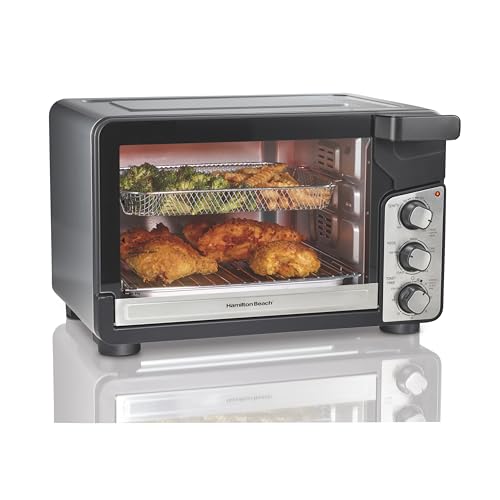
Many air fryer owners also use a dedicated oven-style appliance for baking tasks. Countertop options such as a toaster oven or combo unit extend what a small kitchen can do. If you want baking capability without a full range, a toaster oven is a common middle ground, as covered in our Toaster Oven Buying Guide.
For sheer range of techniques, the oven offers broiling, slow roasting, low-temperature drying, proofing and more. An air fryer is essentially a fast convection appliance, which makes it excellent at what it does but narrower in scope.
Energy Use and Running Costs: Air Fryer Wins for Small Meals
Energy use follows from size and time. Because an air fryer heats a small chamber for a shorter period, it generally consumes less energy than a conventional oven cooking the same small meal. Manufacturers often describe their air fryers as using less energy than an oven for comparable food, and that is consistent with the physics of heating less space. The advantage shrinks or disappears when you cook a large batch in the air fryer across multiple rounds, or when the oven is already on for other dishes.
The practical takeaway: if you are cooking one meal for one or two people, the air fryer is usually the more efficient choice. If you are running the oven anyway for a full dinner, adding a side in the oven costs little extra. For specific energy figures on your own appliances, check the wattage listed on the label and estimate from your local utility rates.
Cleanup and Maintenance: Air Fryer Wins
An air fryer typically has a removable basket and tray that go in the sink or dishwasher, and the interior is small enough to wipe down in a minute or two. Grease tends to collect in the drawer rather than spreading across the cavity. Owners often report that cleaning is the main reason they reach for the air fryer more often than the oven.
Conventional ovens collect splatter on walls, racks and the floor of the cavity, and many need periodic deep cleaning or a self-clean cycle. Sheet pans and roasting pans add to the load. Oven cleanup is more involved, but it is also more contained: a good sheet-pan habit and parchment or silicone liners can cut the mess substantially.
For both appliances, follow the manufacturer’s guidance on cleaning. Our guide on How to Clean an Air Fryer covers the basket, heating element and drawer in detail, and the same principles of wiping down after each use apply to ovens.
Learning Curve and Ease of Use: Tie
Both appliances are simple to operate, and the learning curve depends more on the food than the machine. Air fryers rely on temperature and time, plus a shake or flip. Ovens rely on rack position, preheating and pan choice. Neither is hard once you have a few reliable recipes. Beginners often get the best early results by starting with frozen foods, which have predictable cook times, then moving to fresh proteins and vegetables. For a structured start with the smaller appliance, see How to Use an Air Fryer: A Beginner’s Guide.
Which Should You Choose?
Choose an air fryer if:
- You cook mostly for one or two people.
- You want crispy fries, wings, or cutlets on weeknights with minimal preheating.
- You have limited counter space, or you want a fast appliance for reheating leftovers.
- Cleanup time is a major factor in whether you cook at home at all.
Choose a conventional oven if:
- You cook for a family or entertain regularly and need to cook large batches.
- You bake bread, cakes, cookies, pizza or casseroles.
- You roast whole chickens, large cuts of meat, or full sheet pans of vegetables.
- Your kitchen already has a working oven and you do not have room or budget for a second appliance.
Choose both if you cook often and mix small weeknight meals with larger weekend recipes. Many home cooks use the air fryer for daily tasks and keep the oven for baking and batch cooking. For a broader view of the category, our Air Fryer Buying Guide explains what to look for in size, features and build.
Air Fryer Options
For a reliable, widely available air fryer, the Ninja Air Fryer AF101 is a common starting point for owners who want a straightforward basket model with a good capacity for two to four people. For a larger family-size basket with multiple cooking functions, the Ninja Foodi Digital Air Fry Oven is a popular choice among owners who want an air fryer that also functions as a small oven. You can compare models in our Best Air Fryers roundup.
View on Amazon View on AmazonConventional Oven Options
For a conventional oven, most home cooks shop for a range or wall oven matched to their kitchen’s installation requirements, which makes product-specific recommendations less useful than checking dimensions, cavity size and fuel type. If you want a countertop oven as a secondary appliance for baking and small roasting, a toaster oven such as the Breville Smart Oven Air is widely used and offers convection cooking in a compact footprint. Our Toaster Oven Buying Guide covers what to look for in that category.
View on AmazonFAQ
Is an air fryer just a small convection oven?
In many ways, yes. An air fryer uses a fan and a heating element to circulate hot air rapidly around food, which is the same basic principle as convection. The difference is the compact size and the design, which concentrates airflow in a small basket. That is why air fryers crisp small items quickly, while a larger convection oven spreads heat across a bigger space.
Can I use an air fryer for baking?
You can bake small items, such as a few muffins in silicone cups, a small batch of cookies on parchment, or single-serving desserts. Tall cakes, bread and anything that needs significant rise usually do better in a full oven. Check your model’s pan size and clearance before you bake.
Does an air fryer really save energy compared with an oven?
For small meals, an air fryer generally uses less energy because it heats a much smaller space for a shorter time. The savings shrink when you cook large quantities in multiple batches or when the oven is already running for other dishes. Checking the wattage on each appliance and estimating your own usage will give you the most accurate answer for your kitchen.
Which is faster for cooking frozen fries or chicken nuggets?
The air fryer is usually faster, especially for one or two servings. It needs little or no preheating and cooks small batches quickly. For a full tray of frozen food, the oven can handle more at once, though it takes longer to heat up. Follow package directions as a starting point and adjust time for your model.
Should I replace my oven with an air fryer?
Most people should not replace a working oven with an air fryer, because the oven handles tasks an air fryer cannot, such as baking, large-batch roasting and cooking full meals at once. An air fryer works best as an added appliance that handles quick, crispy, small-batch cooking. If your oven is unreliable or you have very limited kitchen space, a combo countertop unit can cover both roles.
Conclusion
The air fryer vs oven question has a clear answer once you know your cooking pattern. The air fryer wins on speed, small-batch efficiency, crispiness for small items and cleanup. The oven wins on capacity, baking, large roasts and versatility. For most home cooks, the best setup is an air fryer for everyday quick meals and an oven for everything else. If you are still deciding, start by tracking what you cook most often for a week. That pattern will tell you which appliance deserves the counter space.