As an Amazon Associate we earn from qualifying purchases. This page may contain affiliate links.
Good cooking equipment for renters is compact, works on the outlets and burners you already have, and doesn’t need permanent installation. A small set of countertop appliances can cover most weeknight meals, from roasted vegetables and braised beans to soups and one-pan dinners. This guide walks through how to check what your lease allows, which appliances give the most cooking for the least counter space, and how to store everything when the cabinets are already full.
Step 1: Check What Your Lease and Kitchen Allow
Before you buy anything, find out what your building permits and what your kitchen can handle electrically. Most leases say nothing about countertop appliances, but some restrict open flames, grills, or anything that vents heat or smoke into shared spaces. A quick email to your landlord or property manager is worth the few minutes it takes.
Next, look at your outlets and circuits. Many older apartments run the kitchen on one or two 15-amp or 20-amp circuits that also feed the refrigerator and microwave. Manufacturers list wattage on the nameplate or in the manual. As a rough guide, a 1,500-watt appliance running alongside a microwave can trip a breaker. If you’re unsure whether your wiring can handle a particular appliance, ask a licensed electrician or your landlord before plugging in anything high-wattage.
Quick pre-purchase checklist
- Written permission or lease confirmation for any appliance that produces heat, steam, or smoke
- Count of available outlets and whether they’re on shared circuits
- Measured counter depth, width, and clearance above the surface (most countertop appliances need several inches of airflow)
- Cabinet or closet space for storage when not in use
- Power cord length, so you aren’t tempted to use an extension cord
Step 2: Pick the Right Appliances for Your Cooking Style
Start with what you actually cook. A renter who makes a lot of soup and beans will get more use from a multicooker than from a second oven. Someone who bakes sheet-pan dinners and reheats leftovers may get more value from a countertop oven. Choose a small number of appliances that overlap as little as possible.
The table below compares common options. Capacity and footprint vary by model, so treat the size notes as general guidance and check the specifications for the exact unit you’re considering.
| Appliance | Best for | Typical footprint | Things to watch |
|---|---|---|---|
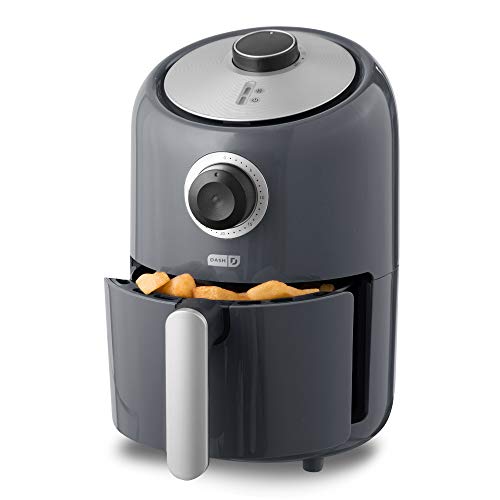
| Air fryer | Crisping vegetables, reheating, small batches of chicken or fries | Small to medium; basket or oven style | Basket capacity limits batch size; cook in a single layer |
| Electric multicooker (pressure cooker type) | Soups, stews, rice, beans, one-pot meals | Medium; tall, so check cabinet height | Needs clearance around the steam vent; learn the sealing ring care |
| Slow cooker | Long, hands-off braises and chili | Medium; sits flat on the counter | Long cook times; keep it away from curtains and cabinet walls |
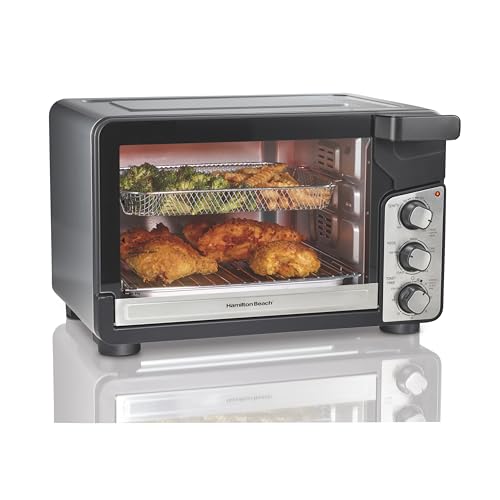
| Countertop (toaster-style) oven | Baking small pans, toasting, reheating, sheet-pan meals | Medium to large | Often replaces a toaster; check interior fits your pans |
| Portable induction burner | Stovetop cooking when the range is limited or unusable | Very small; single or double burner | Requires induction-compatible cookware; check your circuit capacity |
| Electric kettle | Boiling water quickly for tea, grains, or pasta | Very small | Low cost to run compared with a full burner for small volumes |
Choosing between overlapping appliances
Air fryers and countertop ovens both crisp food, and a multicooker and slow cooker both make stews. Pick one from each pair based on your habits. If you cook mostly for one or two people, a smaller air fryer or a compact multicooker will be easier to store and fill more efficiently. If you cook for a family, prioritize capacity, but check whether the appliance can be used in batches. For a related approach to planning meals around equipment, see A Practical Guide to Batch Cooking for Your Family.
Step 3: Build a Core Kit Around One or Two Appliances
Renters usually have limited space, so a core kit should do the heavy lifting. Begin with one heat-based appliance that matches your main method, then add non-electric tools that cover the rest. A sturdy cast-iron skillet, a heavy pot with a lid, and a few rimmed sheet pans handle most stovetop and oven tasks without taking up much room.
A realistic starter set for a small kitchen:
- One electric multicooker or air fryer (not both, unless you have the space)
- One 10- to 12-inch cast-iron or heavy skillet
- One 3- to 5-quart heavy pot with a tight lid
- Two half-sheet pans and one quarter-sheet pan
- A cutting board that fits your sink or drying rack
- A sharp chef’s knife and a paring knife
- Silicone or heat-safe utensils that can stay in a crock
- Measuring cups and spoons, plus a digital scale if you bake
If you cook for one or two people, you don’t need the largest model on the market. A smaller footprint often means less wasted energy and easier cleanup. The approach in A Guide to Small-Batch Cooking for One or Two People can help you scale recipes down so your appliances match your portions.
Step 4: Plan Storage Before You Buy
Storage is where many renters run into trouble. A large appliance that lives on the counter all day takes up prep space, and one that goes into a cabinet has to be lifted out every time you use it. Measure before you buy, and think about how each item will come out and go back in.
Storage strategies that work in small kitchens
- Use vertical space. A shelf that sits above the counter can hold a toaster oven or small air fryer if you have clearance and it is safe for the appliance.
- Choose appliances with removable parts. Stackable baskets, inserts, and lids that nest reduce the number of pieces you need to store.
- Keep the most-used appliance on the counter. Store the rest in a lower cabinet or pantry shelf. Rolling carts work well if your floor space is limited.
- Store accessories inside the main appliance. Many multicookers and air fryers have space inside the pot or basket for trivets, racks, and small tools.
Organizing your ingredients the same way makes a small kitchen feel larger. The methods in How to Organize Cooking Ingredients are easy to adapt to a shelf or drawer.
Step 5: Set Up a Workflow That Fits Your Space
A small kitchen rewards good habits. Before you start cooking, clear a dedicated work zone, gather what you need, and put it within reach. Prepping ingredients in advance keeps the counter from filling up mid-recipe. The principles in How to Master Mise en Place for Faster, Calmer Cooking apply directly, since a tidy setup matters more when you have only a few feet of counter.
Use one appliance at a time when your circuit is limited. Running a multicooker, a countertop oven, and a kettle together can overload a single circuit. Stagger your cooking so the heaviest appliance runs alone, or sequence tasks so that the oven finishes before the kettle goes on.
Common Mistakes Renters Make
Many small-kitchen problems come from the same few errors. Avoiding these will save money, space, and frustration.
- Buying the biggest model. An oversized appliance crowds the counter and often sits half-empty when you cook for two. Match capacity to how you actually cook.
- Ignoring clearance. Air fryers, toaster ovens, and multicookers vent heat or steam. Pushing them against a wall or under a cabinet can damage the cabinet and the appliance. Follow the clearance in the manual.
- Using extension cords or power strips for high-wattage appliances. A cord rated for lighting or electronics can overheat under a heavy load. Plug heavy appliances directly into a wall outlet.
- Skipping the lease check. A quick question to your landlord can prevent a dispute about deposits or safety rules.
- Overcrowding the basket or pot. Crowded air fryer baskets steam food instead of crisping it, and overfilled multicookers can clog the vent. Cook in batches when needed.
- Forgetting to measure drawers and cabinets. An appliance that doesn’t fit the cabinet ends up on the counter permanently.
For more kitchen habits that cause trouble in any size of kitchen, see Common Home Cooking Mistakes. If you’re unsure about the cooking methods behind these appliances, Cooking Methods Explained covers the basics.
Tips for Getting More From a Small Setup
- Cook once, eat twice. Make a large batch of soup in a multicooker and freeze portions in labeled containers.
- Use parchment liners or silicone mats in your air fryer and countertop oven to make cleanup faster.
- Keep a small thermometer in your kit. Food safety depends on reaching safe internal temperatures, and a probe thermometer removes the guesswork. Read more in Cooking Thermometers Explained.
- Clean appliances after each use. Built-up grease and food residue make small appliances harder to store and can affect performance.
- Check your measurements before scaling a recipe. Small kitchens leave less room for error, so a clear measurement guide helps.
Recommended Gear
These items suit small kitchens and work well alongside the core kit above. Check the dimensions and cord length before you buy.
- Compact air fryer. A basket-style model in a size that fits your counter or cabinet gives you fast crisping and reheating without heating the whole kitchen. Check price on Amazon
- Electric multicooker. A single pot that can pressure cook, slow cook, steam, and sauté reduces the number of appliances you need. Check price on Amazon
- Cast-iron skillet, 10 or 12 inch. One pan handles searing, baking cornbread, and shallow frying, and it works on most stovetops and in the oven. Check price on Amazon
- Digital instant-read thermometer. A small probe lets you verify doneness without cutting into food, which matters when your appliances’ timers are estimates. Check price on Amazon
FAQ
Can I use a portable induction burner in an apartment?
Often yes, but check your lease and your circuit first. Most portable induction burners draw a significant amount of power, so run them on a dedicated outlet where possible and avoid sharing the circuit with a microwave or refrigerator.
Do I need both an air fryer and a countertop oven?
Usually not. Both crisp and reheat food, and a countertop oven also bakes and toasts. If you mostly cook small batches of fried or roasted food, an air fryer may be enough. If you bake or cook full sheet pans, a countertop oven is more useful.
What size multicooker is best for a small apartment?
A 3- to 6-quart model fits most small households. Smaller units take up less cabinet space and cook faster, while larger ones suit batch cooking. Check the height as well as the footprint, since many multicookers are tall.
How do I store large appliances if I have no pantry?
Use a rolling cart, a shelf placed above the counter with safe clearance, or a deep lower cabinet. Store accessories inside the main pot or basket to save space. Keep the appliance you use most within reach and store the rest out of the way.
When should I ask an electrician about my kitchen wiring?
If outlets feel warm, breakers trip often when you run appliances, or you’re unsure whether a circuit can handle a new appliance, consult a licensed electrician or your landlord before continuing. Electrical problems are a safety issue, and a professional can check your setup.