As an Amazon Associate we earn from qualifying purchases. This page may contain affiliate links.
Family meal prep ideas work best when you cook a few components in large batches and mix them into different meals across the week. With a sheet pan, a slow cooker, an Instant Pot, or an air fryer, you can make four to six dinners’ worth of food in one afternoon and spend about 15 minutes on each weeknight assembling plates. This guide covers the planning steps, the recipes that hold up well in the fridge and freezer, the appliances that do the heavy lifting, and the mistakes that make prepped food taste sad by Thursday.
Start With a Simple Prep Plan
Before you buy a single onion, decide how much you actually need to cook. Most families do better with two prep sessions per week than with one marathon session, but a single two-hour Sunday session works well if your fridge has room. Use the list below to set up your week.
- Count your meals. Write down how many dinners you need to cover and whether you also need lunches. A family of four eating dinner at home five nights a week usually needs enough protein for about 10 to 12 servings.
- Pick two or three proteins. Cooking one protein in three different seasonings keeps the week from feeling repetitive.
- Choose two or three starches and a batch of vegetables. Rice, potatoes, pasta, or tortillas can carry several meals. Roasted vegetables reheat well and fit almost any plate.
- Add one or two sauces or toppings. A yogurt sauce, salsa, pesto, or vinaigrette changes the flavor of the same base ingredients.
- Map each ingredient to a day. Plan which items get frozen early and which ones you’ll eat first, usually the ones that hold up least well.
If you want help deciding how to rotate meals across the week, A Simple Method for Effective Weekly Meal Planning walks through a planning template you can reuse. For families with picky eaters, How to Plan Family Meals That Please Everyone shows how to build a base that everyone can customize.
Family Meal Prep Ideas by Appliance
The fastest way to batch cook is to match each recipe to the appliance that handles it best. You can run two or three appliances at once, which is often the real secret to a productive prep session.
Sheet-Pan Dinners
A half-sheet pan (about 13 by 18 inches) holds roughly two pounds of chicken thighs or sausage with vegetables in a single layer. Roast at 425°F for 25 to 35 minutes, or until the internal temperature of chicken reaches 165°F. Good options include:
- Sheet-pan chicken fajitas with sliced peppers and onions, served with warm tortillas
- Sausage, potatoes, and green beans tossed with olive oil, garlic powder, and smoked paprika
- Lemon-herb salmon with broccoli, cooked just until the fish flakes, then cooled quickly and refrigerated
Slow Cooker Meals
Slow cookers turn tough, inexpensive cuts into tender meat with almost no attention. A 6-quart model can handle a large batch of pulled pork or shredded chicken. For more techniques, Slow Cooker Tips and Tricks for Better Meals covers liner use, liquid levels, and timing. Good batch recipes include:
- Shredded chicken tacos with salsa verde, portioned into freezer bags with a splash of broth
- Pulled pork for sandwiches, sliders, or rice bowls
- Vegetarian black bean and sweet potato chili that reheats well for several days
Instant Pot and Pressure Cooker Meals
Pressure cooking shortens the time for dried beans, grains, and stews. It’s a strong choice when you want to make a big pot of chili or soup on a weeknight without planning ahead. Good options include:
- Turkey or beef chili, which tastes better on day two
- Chicken and rice casserole made with long-grain rice, cooked in about 10 minutes under pressure, then cooled
- Dried chickpeas or black beans, cooked in batches and frozen flat in bags
Air Fryer Components
An air fryer is useful for items you want crisp, not soggy, after reheating. Cook them in one or two batches so the basket isn’t crowded. Good candidates include:
- Turkey meatballs, cooked at about 375°F until browned and cooked through
- Breaded chicken tenders, which can be frozen after cooking and reheated from frozen
- Roasted chickpeas or potato wedges as crunchy sides
Freezer-Friendly Make-Ahead Meals
Some meals are better assembled once and frozen for later. Think casseroles, burritos, and lasagna. Freeze them in portions your family will finish in one meal, label each container with the date, and plan to eat within about three months for best quality.
- Breakfast burritos with scrambled eggs, black beans, and cheese, wrapped individually
- Baked ziti or lasagna cut into squares before freezing
- Turkey and vegetable pot pie with a par-baked crust
Storage, Portioning, and Food Safety
Good storage is what makes family meal prep ideas work across several days. The USDA recommends refrigerating cooked food within two hours of cooking, or within one hour if the room is above 90°F. Cooked leftovers are generally safe in the refrigerator for three to four days. Anything you won’t eat by then should go into the freezer.
Cool large batches quickly. Spread hot food in shallow containers rather than leaving a deep pot to cool on the stove. Divide cooked components into meal-sized portions, which also makes reheating faster and reduces waste.
| Food | Refrigerator (cooked) | Freezer (best quality) | Reheat to |
|---|---|---|---|
| Cooked chicken or turkey | 3 to 4 days | Up to 4 months | 165°F |
| Chili or soup | 3 to 4 days | Up to 3 months | 165°F |
| Cooked rice | 3 to 4 days | Up to 1 month | 165°F |
| Roasted vegetables | 3 to 4 days | Up to 3 months | 165°F |
| Casseroles and lasagna | 3 to 4 days | Up to 3 months | 165°F |
Storage times reflect general USDA guidance for quality and safety. If you have specific health conditions or questions about feeding infants, older adults, or people with weakened immune systems, check with your doctor or a registered dietitian.
Recommended gear
You don’t need much to start, but a few tools make batch prep faster and less messy.
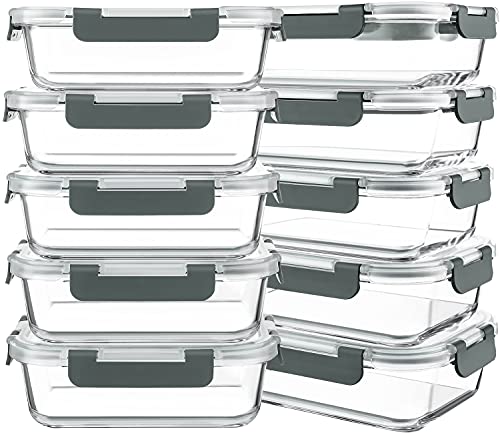
- Glass meal prep containers with locking lids. Glass tolerates reheating in the microwave and oven better than most plastic, and it doesn’t hold onto tomato sauce or curry smells. Check price on Amazon
- Half-sheet pans with rims. Two pans let you roast two proteins at once, and the rims keep juices from spilling in the oven. Check price on Amazon
- A 6-quart slow cooker with a removable insert. A larger insert makes it easy to cook a full batch of shredded meat, and removable inserts are simpler to clean. Check price on Amazon
- Freezer-safe zipper bags and masking tape with a marker. Labeled, flat-frozen bags thaw faster and stack neatly in the freezer. Check price on Amazon
Common Mistakes to Avoid
- Overcooking the starches. Pasta and rice keep cooking as they cool and reheat. Pull them a minute or two early, especially pasta, and rinse rice briefly if it’s sticking together.
- Storing everything in one big container. Large containers take longer to cool and make it harder to grab one portion. Divide food into meal-sized pieces.
- Dressing salads or greens too early. Keep dressing in a separate small container and add it at serving time.
- Freezing food that won’t reheat well. Fried foods, crispy toppings, and some dairy sauces change texture. Add crunchy elements fresh.
- Prepping the same meal every day. Families tire of repetition quickly. Vary sauces and seasonings so the same chicken tastes like three different dinners.
- Skipping labels. Unlabeled containers lead to forgotten food. Write the name and date on every container.
Tips for a Smoother Prep Session
- Start with the longest-cooking item, such as a pot of beans or a slow cooker roast, so the rest of your session runs alongside it.
- Wash and chop vegetables while the oven preheats.
- Cook a few extra servings of protein for an easy weeknight quesadilla or salad.
- Keep a running list of recipes your family liked, with notes on what to change next time.
- For lunches, pack components separately so they stay crisp. Healthy and Easy Lunch Box Ideas for Adults has portion ideas that pair well with a prepped dinner.
- If your budget is tight, batch cooking beans, rice, and roasted vegetables is one of the most cost-effective ways to feed a family. How to Cook Delicious Meals on a Tight Grocery Budget has more ideas on stretching ingredients.
If you’re new to the process, Meal Prep for Beginners covers the basics of container sizes and cooling. For a deeper look at cooking large quantities at once, A Practical Guide to Batch Cooking for Your Family goes into scaling recipes and freezing strategies.
Family Meal Prep Ideas FAQ
How long does family meal prep take?
Most families spend about two to three hours on a full prep session that covers four to six dinners. Splitting the work into two shorter sessions, one midweek, can make it feel less overwhelming.
How many days ahead can I prep dinners?
Cooked food stays safe in the refrigerator for three to four days. For meals later in the week, freeze them and move them to the refrigerator the night before.
Which family meal prep ideas work best for kids?
Components that let kids build their own plates tend to work best, such as taco bowls, pasta with separate sauces, or sheet-pan dinners with simple seasonings. Keep flavors mild and add sauces on the side.
Can I reheat prepped meals in an air fryer?
Yes. Air fryers reheat breaded and roasted items well, usually at about 350°F for several minutes. Check that the food reaches 165°F before serving.
Do I need special containers for meal prep?
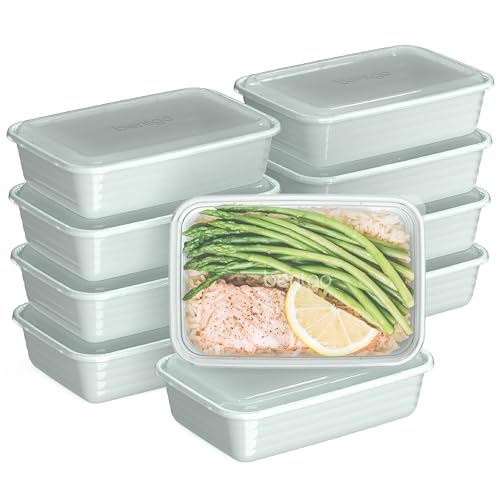
No, but containers with secure lids and microwave-safe materials make reheating and storage easier. Glass is a good choice for most families.