As an Amazon Associate I earn from qualifying purchases. This page may contain affiliate links.
Meal prep ideas for the week are easy to find. The harder part is finding containers that hold up to batch cooking, fit your fridge and freezer, and reheat without warping. Cooking a big pot of chili or a tray of roasted vegetables on Sunday only pays off if the portions stay fresh and look appealing by Wednesday. The right containers make that possible. In this guide, we compare six well-known options based on manufacturer specifications, brand reputation and common owner feedback, then explain how to match a container to the way you cook. We did not test these products ourselves. Our criteria were material, lid type, microwave and dishwasher guidance, stackability, leak resistance and how well each style suits typical weekly prep routines.
Our Top Picks
Quick Comparison
| Product | Best for | Key feature |
|---|---|---|
| Rubbermaid Brilliance Food Storage Containers | Budget-minded cooks who want a large set | Clear lids that snap and seal |
| Pyrex Glass Storage Containers with Lids | Reheating in the oven and microwave | Borosilicate glass body |
| Bento Box Meal Prep Containers (Bentgo Prep) | Portion control and lunches | Built-in compartments |
| Snapware Airtight Food Storage Containers | Soups, sauces and liquid-heavy meals | Airtight, locking lids |
| Glasslock Oven Safe Food Storage Containers | Families and large-batch cooking | Tempered glass with a wide size range |
| OXO Good Grips POP Containers | Pantry staples and dry ingredients | Airtight POP seal and stackable design |
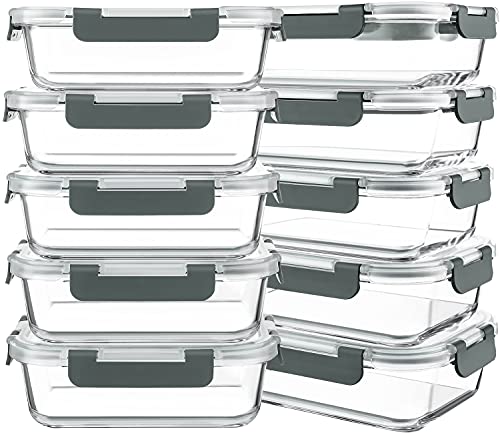
Pyrex Glass Storage Containers with Lids
This suits cooks who reheat most meals in the oven or microwave and want to avoid plastic altogether. Pyrex is a long-established brand in glass bakeware, and its storage line is widely used for batch cooking.
Key specs
- Borosilicate glass body designed for thermal resistance
- Oven, microwave and freezer use (check the specific lid, as some lids are not oven safe)
- Available in multiple sizes for individual and family portions
Pros
- Does not stain or hold odors from curries or tomato sauce
- Easy to move from fridge to oven without transferring food
- Lids are generally easy to clean in the dishwasher
Cons
- Heavier than plastic, which matters when packing a lunch bag
- Glass can break if dropped or subjected to sudden temperature changes
Rubbermaid Brilliance Food Storage Containers
Good for cooks who need a large set that covers everything from breakfast to dinner without a big investment. These are a budget pick that many home cooks keep as a backbone set.
Key specs
- BPA-free plastic bodies with clear lids
- Lids snap onto the base and create a tight seal
- Stackable, with nesting lids that save cabinet space
Pros
- Clear sides make it easy to identify meals in the fridge
- Good value for multi-piece sets
- Lightweight and easy to pack in bags
Cons
- Plastic can absorb tomato and turmeric stains over time
- Not all lids are rated for microwave use with steam, so check the label
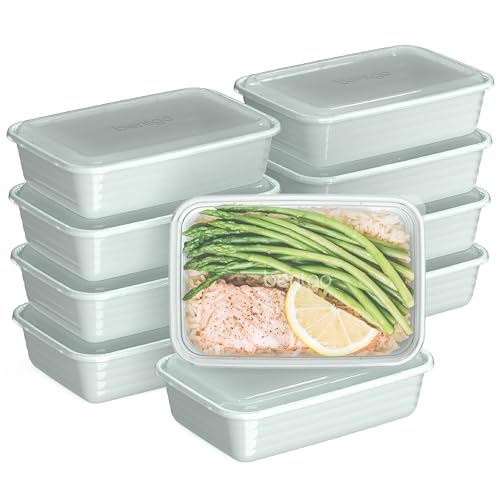
Bento Box Meal Prep Containers (Bentgo Prep)
A strong fit for cooks who want built-in portion control, especially for lunches built around a protein, a starch and vegetables. The compartments discourage overfilling and keep sauces from touching other foods.
Key specs
- Multi-compartment design, typically with three or four sections
- Leak-resistant seal on the lid (check the label for liquid-specific claims)
- Microwave and dishwasher safe, according to manufacturer guidance
Pros
- Keeps components separate, which helps crisp foods stay crisp
- Good for portion-controlled eating
- Compact and easy to pack in a lunch bag
Cons
- Compartments limit how much of one dish you can store
- Not ideal for soups or large casseroles
Snapware Airtight Food Storage Containers
Well suited to soups, stews, sauces and marinades, where a tight seal matters most. This is a practical choice for cooks who make a lot of liquid-based batch meals.
Key specs
- Airtight locking lids with a rubber gasket
- Plastic and glass options are available in the line
- Stackable base with lids that nest
Pros
- Locking lids reduce the risk of spills in the fridge
- Works well for both dry and wet foods
- Sturdy construction for repeated use
Cons
- The gasket can trap odors if not cleaned thoroughly
- Lid-and-base matching requires some attention when storing
Glasslock Oven Safe Food Storage Containers
Best for families and cooks who regularly batch large quantities, such as a full pan of enchiladas or a double batch of chicken and rice. The range of sizes covers both small sides and big family meals.
Key specs
- Tempered glass bodies with a range of sizes
- Oven-safe bases (confirm lid compatibility before heating)
- Plastic-free lids on many sets, according to manufacturer descriptions
Pros
- Large capacities suit family-sized batches
- Glass resists staining and odors
- Can often go from freezer to oven, depending on the model
Cons
- Heavy when full, which can be awkward to lift from a fridge shelf
- Glass lids can chip if stacked carelessly
OXO Good Grips POP Containers
Ideal for cooks who prep dry ingredients such as oats, rice, quinoa, nuts and granola for the week. Less suited to wet dishes, but excellent for keeping pantry staples fresh between batch sessions.
Key specs
- Airtight POP seal that opens with a single press
- BPA-free plastic bodies
- Stackable and designed for pantry shelves
Pros
- Easy to open and close with one hand
- Clear bodies make it simple to check supplies
- Good for organizing dry goods in a tidy pantry
Cons
- Not intended for microwave reheating or liquids
- Limited for cooked meal storage compared with dedicated meal prep sets
Buying Guide
Choosing a container comes down to how you cook, how you reheat, and how much space you have. Before buying a set, think through a typical week: how many meals you prepare, whether they are wet or dry, and whether you eat them at home or pack them for work. Our selection criteria focus on material, sealing performance, heat tolerance and stackability, since those are the features that most affect day-to-day use.
Important features to consider
- Material: Glass resists stains and odors and handles oven heat well. Plastic is lighter and less likely to break, but it can stain and hold smells.
- Lid seal: A snap-on or locking lid with a gasket is important for soups, sauces and marinades.
- Heat tolerance: Check whether the container and lid are rated for the microwave, oven, freezer or dishwasher. Lids often have different ratings than bases.
- Size and shape: Rectangular containers stack efficiently in a fridge. Round ones can save space for soups in some setups.
- Stackability: Nesting lids and flat bases make a full shelf of meals much easier to manage.
Specs to check on the label
- Capacity in ounces or cups, so you can match portion size to your recipes
- Microwave, oven and freezer ratings, including any temperature limits
- Dishwasher-safe status for the base and the lid separately
- BPA-free labeling if you prefer plastic
- Whether the lid is vented for microwave steam
Choosing by need
- Reheating in the oven or microwave: Glass sets are the most flexible.
- Soups, chili and sauces: Choose airtight locking lids.
- Lunches and portion control: Compartment containers keep components separate.
- Family batches: Larger glass or plastic sets with a range of sizes work best.
- Dry staples: Pop-style airtight containers keep grains and snacks fresh.
Things to watch out for
- Lids that are not rated for the same heat as the base. Mixing them can cause warping or cracks.
- Staining from tomato-based or turmeric-heavy dishes, which is common with plastic.
- Gaskets that trap odor. Remove and clean them regularly.
- Overfilling. Leave a little room for expansion when freezing soups and stews.
If you have specific dietary needs or food safety concerns, such as storing cooked foods for several days or cooling large batches, consult a food safety professional or follow the USDA guidelines for refrigeration and reheating.
For planning the meals themselves, see Meal Prep Ideas Explained: Batch Recipes, Storage and a Weekly Plan and How to Plan Weekly Meals: A Step-by-Step Guide for Home Cooks. Families may also find Family Meal Prep Ideas: 12 Batch-Friendly Recipes for Busy Weeks helpful when choosing container sizes.
FAQ
How many containers do I need for a week of meal prep?
Most people who prep lunches and dinners for five days need between 10 and 20 containers, depending on how many meals and sides they portion separately. Start with a set of 10 to 12 and add more as your routine develops.
Are glass or plastic containers better for meal prep?
Glass handles oven reheating and resists stains and odors better. Plastic is lighter, less likely to break, and easier to pack. Many cooks use a mix, with glass for reheating and plastic for lunches.
Can I freeze meal prep in these containers?
Most glass and plastic containers are labeled freezer safe, but you should check the specific product. Leave headroom for liquids to expand, and avoid sudden temperature changes with glass.
How long does meal prep last in the fridge?
The USDA generally advises that cooked leftovers be refrigerated within two hours and eaten within three to four days. For longer storage, freeze portions. Always follow current food safety guidance.
Do I need microwave-safe containers?
If you reheat meals in the microwave, yes. Check that both the base and lid are labeled microwave safe, and vent the lid to let steam escape.
How do I stop plastic containers from staining?
Rinse containers soon after use, avoid leaving tomato sauce or turmeric in them overnight, and wash them promptly in warm soapy water or on the top rack of the dishwasher if the label allows.
Which containers are best for dry ingredients?
Airtight pop-style containers are well suited to oats, rice, nuts and granola. They are less useful for wet, cooked meals.
Conclusion
Meal prep ideas for the week are only as good as the containers that hold them. For reheating in the oven or microwave, glass options such as Pyrex and Glasslock are a strong fit. For budget-friendly, large sets, Rubbermaid Brilliance covers most needs. Bento-style containers suit portion-controlled lunches, while Snapware’s locking lids are a good match for soups and sauces. If your prep centers on dry staples, OXO’s pop containers keep pantry items fresh. Match the container to your menu first, then check the label for heat, freezer and dishwasher ratings. Once you have the right set, pair it with a simple weekly plan and your Sunday prep will last well into the week.