As an Amazon Associate we earn from qualifying purchases. This page may contain affiliate links.
Meal prep ideas explained in plain terms: you cook a portion of your week’s food in one or two sessions, portion it into containers, and store it so weekday dinners and lunches take minutes instead of an hour. The method works best when you choose recipes that reheat well, scale up without fuss, and use an appliance you already own. This guide covers the main prep styles, five batch-friendly recipe ideas, a step-by-step weekly routine, storage rules, and the mistakes that make prepped food turn out dry or soggy.
Meal Prep Ideas Explained: The Three Main Approaches
Most home cooks settle into one of three styles, and many mix them. Knowing which one fits your schedule keeps you from overcommitting on a Sunday afternoon.
| Prep style | What you make | Best for | Main drawback |
|---|---|---|---|
| Full meals | Complete dishes portioned into containers (for example, chili with rice) | People who want zero cooking on weekdays | Less variety; the same meal repeats |
| Components | Separate cooked proteins, grains, roasted vegetables and sauces | People who want to mix and match through the week | More assembly at mealtime |
| Freezer-first | Soups, stews, and marinated proteins frozen in single portions | Cooks who batch larger quantities and eat them over several weeks | Needs freezer space and thawing time |
Component prep is the most flexible choice for beginners. You can roast one tray of vegetables, cook a pot of grains, and shred a batch of chicken, then build five different lunches from the same ingredients. Full-meal prep is faster on busy weeks because nothing needs assembling.
Five Batch-Friendly Recipe Ideas
These ideas are built around appliances that handle volume well. Adjust quantities based on how many people you feed and how many days you plan to cover.
Sheet-Pan Chicken Thighs and Vegetables
Bone-in or boneless chicken thighs hold moisture better than breasts when reheated. Toss them with olive oil, salt, pepper and a spice blend, then roast at 425°F on a sheet pan. Boneless thighs usually take about 20 to 25 minutes, and bone-in thighs around 35 to 40 minutes. Add cut potatoes, carrots, or bell peppers to the same pan, but give dense vegetables a head start so everything finishes together. Store the chicken and vegetables separately if you want the vegetables to stay firm.
Instant Pot Chili or Bean Stew
A pressure cooker turns dried beans into a usable base without the overnight soak that many recipes call for. Cooking time depends on the bean type and your model, so follow the manual’s guidance for dried beans and check that the pot is at pressure before you start the timer. Chili freezes well, reheats without losing texture, and can be divided into portions for lunches, dinners and freezer backups.
Slow Cooker Shredded Chicken
Place two to three pounds of chicken breasts or thighs in a slow cooker with broth, a sliced onion, and your seasonings. Cook on low for about 6 to 8 hours, then shred. The shredded meat works in tacos, grain bowls, wraps, and soups. If you want more guidance on getting consistent results from this appliance, the article Slow Cooker Tips and Tricks for Better Meals covers liquid levels and timing in more detail.
Air Fryer Chickpeas and Potatoes
Air fryers are useful for smaller batches of crisp food that would turn soft in a microwave. Dry chickpeas, toss them with oil and spices, and air fry at about 400°F for 15 to 20 minutes, shaking the basket halfway through. Cubed potatoes cooked at a similar temperature for 15 to 20 minutes give you crispy sides for several lunches. Work in a single layer and cook in batches if needed, since crowding the basket leads to steaming instead of browning.
Grain Bowls with Pantry Sauces
A grain bowl is a component meal built from a cooked grain, a protein, a vegetable, and a sauce that you keep separate until eating. Rice, farro, quinoa and barley all work. Store sauces in small containers so the grains stay fluffy. A simple vinaigrette, peanut sauce or yogurt-based dressing gives each bowl a different character without extra cooking.
Step-by-Step: Planning and Prepping Your Week
A repeatable routine matters more than any single recipe. The following sequence keeps a prep session under two to three hours for most households.
-
Choose two proteins and three vegetables. Limiting the variety keeps your shopping list short and lets you reuse ingredients across meals.
-
Write a shopping list by category. Group produce, proteins, dairy, pantry and freezer items so you can move through the store once.
-
Set up your cooking zones. Use the oven or air fryer for dry-heat items, the Instant Pot or stovetop for grains and beans, and the slow cooker for something that can run unattended while you do other tasks.
-
Start with the longest cook. Put beans or the slow cooker on first. Roast vegetables and proteins while the grains simmer.
-
Cool food quickly. Spread hot food on a sheet pan or in shallow containers so it cools faster before refrigerating. Do not leave cooked food at room temperature for more than two hours.
-
Portion and label. Divide meals into containers, add the date, and place the oldest items in front of the fridge.
Tools You Will Need
- Two rimmed sheet pans and parchment paper
- A food thermometer for checking proteins (see Cooking Thermometers Explained for how to read one)
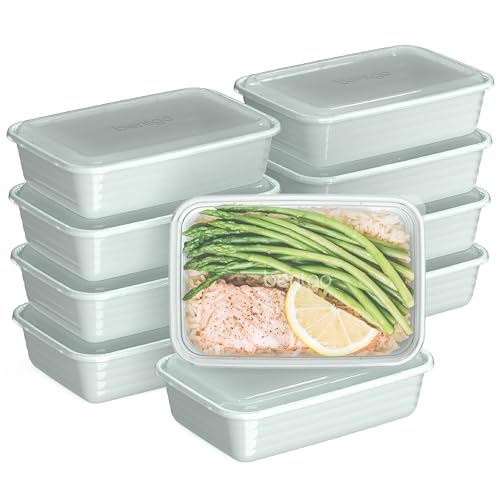
- A set of airtight containers in two or three sizes
- A kitchen scale or measuring cups, depending on how precise you want to be (see Cooking Measurements Explained)
- Masking tape and a marker for labels
Storage and Food Safety Basics
Prepped food is only useful if it stays safe. The times below are general guidance based on common food safety recommendations. Check your local food safety authority for rules that apply to your situation.
| Food | Refrigerator (about 40°F or below) | Freezer |
|---|---|---|
| Cooked chicken, beef, or pork | 3 to 4 days | 2 to 3 months for best quality |
| Chili, stews, and soups | 3 to 4 days | 2 to 3 months |
| Cooked rice and grains | 3 to 4 days | 1 to 2 months |
| Roasted vegetables | 3 to 5 days | 8 to 12 months (texture softens) |
| Hard-boiled eggs (in shell) | Up to 1 week | Not recommended |
When reheating, bring leftovers to 165°F throughout. Stir or rotate food partway through microwaving so the centers heat evenly. If you have a health condition, are pregnant, or are cooking for infants or older adults, talk with a doctor, registered dietitian or food safety specialist about storage rules for your household.
Common Mistakes to Avoid
- Prepping too many different dishes. Four recipes in one session overwhelm the stove and the sink. Start with two or three.
- Storing hot food in a deep container. The center stays warm for hours, which encourages bacterial growth. Shallow containers cool faster.
- Dressing salads ahead of time. Leafy greens wilt within a day. Store dressing separately.
- Overcooking chicken to compensate for reheating. Lean breast meat turns dry in the microwave. Use thighs or pull the meat at the right temperature and add sauce before storing.
- Skipping labels. Unlabeled containers lead to guessing games and wasted food.
- Forgetting the sauce. Many prepped meals taste flat on day three because the seasoning was done only at the start. Keep a small container of sauce or a squeeze of citrus ready to refresh a portion.
- Using the same plan every week without adjusting. If you consistently throw out broccoli, swap it for something you eat. A prep plan should fit your actual habits.
For more ideas on building weekly menus that reduce waste, read A Simple Method for Effective Weekly Meal Planning.
Recommended Gear
These items are not required, but they make batch cooking and storage noticeably easier.
-
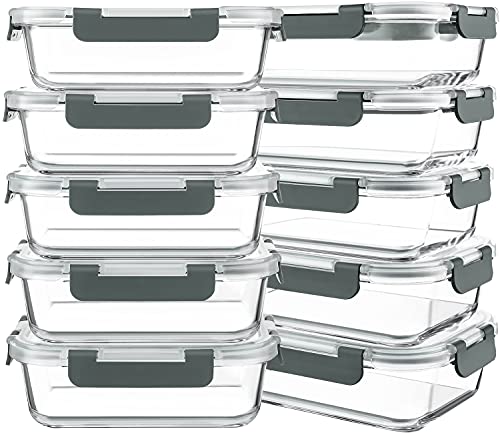
Glass meal prep containers with locking lids. Glass handles reheating without absorbing odors, and the lids keep leftovers sealed in the fridge. Check price on Amazon
-
Digital kitchen scale. Weighing proteins and grains lets you divide portions evenly across containers without guesswork. Check price on Amazon
-
Half-sheet pans with a rim. A rimmed pan keeps juices contained and gives you enough surface area to roast two proteins and vegetables at once. Check price on Amazon
-
Freezer-safe labels and a permanent marker. Clear dates on frozen containers prevent them from getting lost behind newer batches. Check price on Amazon
FAQ
How long does meal prep take?
Most people spend two to three hours on a single prep session for five days of lunches and dinners. Using two cooking appliances at once, such as an oven and a slow cooker, shortens the total time.
Can I meal prep with only an air fryer?
You can prep smaller batches of proteins, vegetables and crisp sides in an air fryer. For soups, stews, or large quantities of grains, a pot, Instant Pot or slow cooker is more practical because the air fryer basket holds a limited amount.
Does reheated meal prep taste as good as fresh?
Most dishes are close to fresh if you store them correctly and avoid overcooking. Crisp foods soften, and delicate herbs lose brightness. Adding a fresh garnish or a squeeze of lemon before eating helps.
How do I keep vegetables from getting soggy?
Roast vegetables until just tender, let them cool before sealing the container, and store them separately from sauces. Store sturdy vegetables like carrots and potatoes in a container with a paper towel to absorb moisture.
What is the easiest recipe to start with?
Sheet-pan chicken thighs with a mix of vegetables and a cooked grain is a good first project. The steps are simple, the ingredients store well, and you can change the seasoning each week to avoid repetition.