By Bennett Hastings
As an Amazon Associate I earn from qualifying purchases. This page may contain affiliate links.
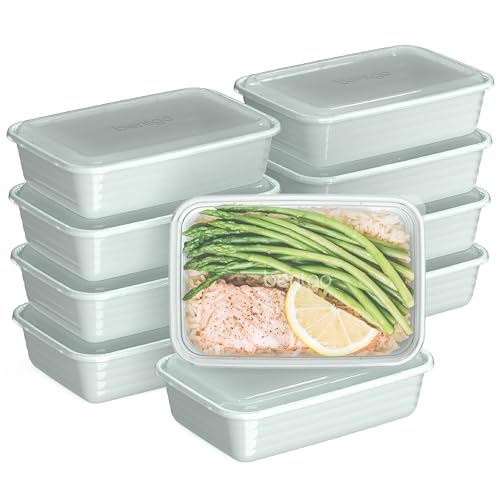
If you cook on Sunday and eat all week, the right set of best meal prep bowls makes the job easier from start to finish. Good bowls hold portions without leaking, stack neatly in the fridge, handle the microwave without warping and clean up quickly. This guide compares eight popular options by the criteria that matter most in daily use: capacity, material, compartment layout, lid fit, heat tolerance and how well the set suits a particular routine. Where a product is an especially good match, we say so; where it has trade-offs, we say that too. For a broader look at storage options, see 15 Best Meal Prep Containers.
Our Top Picks
Quick Comparison
| Product | Best for | Key feature |
|---|---|---|
| Rubbermaid Brilliance Food Storage Containers | Lunch-box portions and reheating in one set | Leak-resistant lids with a clear base |
| Pyrex Simply Store Glass Food Storage Set | Oven-to-fridge use and reheating | Borosilicate glass that tolerates temperature changes |
| Snapware Airtight Glass Food Storage Set | Long-lasting airtight storage | Snap-tight lids that seal well |
| Bento Box Lunch Container Set (stainless steel) | Plastic-free, durable daily use | Stainless steel build with compartments |
| EZPRO Glass Meal Prep Containers with Compartments | Portion control with divided meals | Three-compartment glass bowls |
| Bentgo Classic Bento Box | Compact, school or office lunches | Multi-section layout with a sealed lid |
| 棒 OXO Good Grips POP Containers | Pantry staples and grab-and-go storage | Airtight, stackable square design |
| Sistema Klip It Meal Prep Containers | Budget-minded, everyday weekly prep | Easy-open clip lids with BPA-free plastic |
Rubbermaid Brilliance Food Storage Containers
This is a practical choice for anyone who wants a large, uniform set of containers for portioned lunches and dinners. It suits cooks who reheat most meals in the microwave and want leak-resistant seals without spending much time fussing with the lids.
Key specs
- Plastic body with a clear, see-through base
- Available in multiple sizes, including bowl-style options
- Lids designed to seal against leaks in a bag or lunch box
- Stackable when closed
Pros
- Lids seal firmly and reduce spills in transit
- Clear sides make it easy to identify contents
- Consistent sizing helps containers stack in the fridge
Cons
- Plastic can stain with tomato- or turmeric-heavy foods
- Not all sizes are rated for the freezer, so check the label
Pyrex Simply Store Glass Food Storage Set
Glass suits cooks who reheat in the oven or microwave often and dislike plastic odors. This set fits people who want a long-lasting, stain-resistant option for weekly batches of grains, proteins and vegetables.
Key specs
- Borosilicate glass bodies
- Snap-on or locking lids depending on the line
- Oven-safe glass (check the specific lid, since many lids are not oven-safe)
- Microwave- and dishwasher-safe per manufacturer guidance
Pros
- Glass resists staining and odor retention
- Good for reheating directly in the dish
- Heavier build feels stable on the counter
Cons
- Heavier and more fragile than plastic in a lunch bag
- Lids are generally not oven-safe, which limits some uses
Snapware Airtight Glass Food Storage Set
Owners who prep food on a Sunday and eat it through Thursday often care most about freshness. Airtight lids on a glass base help slow drying and odor transfer in the fridge, which suits longer weekly rotations.
Key specs
- Glass containers with snap-tight, airtight lids
- Multiple rectangular and round sizes in many sets
- Stackable design for refrigerator organization
- Dishwasher-safe components per manufacturer labeling
Pros
- Airtight seal helps protect texture in the fridge
- Glass won’t absorb smells from garlic or fish
- Sizes nest or stack efficiently
Cons
- Snap lids take a little effort to close and open daily
- Glass is heavier for transport
Bento Box Lunch Container Set (stainless steel)
This type suits people who want to avoid plastic entirely and need compartments for protein, grain and produce in one tray. It works well for packed lunches where separation keeps foods from mixing.
Key specs
- Stainless steel body with multiple compartments
- Sealed lid to keep sections separate
- Not microwave-safe (remove the food and reheat it in another dish)
- Typically hand-wash or top-rack dishwasher per product instructions
Pros
- Durable and free of plastic leaching concerns
- Compartments keep foods separate and portioned
- Doesn’t retain odors
Cons
- Cannot go in the microwave, which adds a transfer step
- Steel can feel cold when eaten straight from the fridge
EZPRO Glass Meal Prep Containers with Compartments
Portion-focused cooks, including those following a set calorie or macro plan, often want clearly divided compartments. These three-section glass containers keep sides from touching and make portion sizes easy to see.
Key specs
- Glass base with three compartments
- Locking, sealable lids
- Microwave-safe glass bodies per manufacturer labeling
- Stackable for fridge storage
Pros
- Divided sections help with portion control
- Glass is easy to clean and resists stains
- Good for reheating whole meals at once
Cons
- Fixed compartment sizes may not fit every portion
- Heavier than plastic for daily commuting
Bentgo Classic Bento Box
Students and office workers who pack one lunch a day often want a compact, self-contained box. The Bentgo design uses multiple sections in a single unit, which keeps the bag tidy and the meal organized.
Key specs
- Plastic body with several built-in compartments
- Sealed lid with a built-in utensil area in many versions
- Compact footprint for lunch bags
- Dishwasher-safe components per manufacturer labeling
Pros
- Compact and easy to carry
- Sections keep foods apart without extra containers
- Simple, low-effort cleaning
Cons
- Limited capacity for larger, dinner-sized portions
- Plastic can pick up odors from strong spices
OXO Good Grips POP Containers
This option suits cooks who prep ingredients rather than full meals, such as cooked grains, roasted vegetables and dried beans. Square, stackable airtight containers make the fridge and pantry easier to organize.
Key specs
- BPA-free plastic bodies with airtight, pop-open lids
- Square shape for efficient stacking
- Multiple capacities in the line
- Dishwasher-safe per manufacturer instructions
Pros
- Airtight seal helps keep grains and produce fresh
- Square shape uses shelf space well
- Lids are easy to open with one hand
Cons
- Not designed as individual meal bowls with compartments
- Plastic may need extra care with oily or heavily spiced foods
Sistema Klip It Meal Prep Containers
For a budget-minded set that handles everyday weekly prep, these clip-lid containers are a sensible choice. They suit households that want to prep for several days without investing in premium materials.
Key specs
- BPA-free plastic bodies
- Clip-lid closures for a secure seal
- Microwave-safe bodies per manufacturer labeling (vent the lid)
- Stackable and dishwasher-safe components
Pros
- Easy-to-operate clip lids
- Lightweight for lunches and bags
- Good value for a large number of containers
Cons
- Plastic can stain and hold odors over time
- Clips can wear down with frequent dishwasher cycles
Buying Guide
Choosing among the best meal prep bowls comes down to how you cook, how you reheat and how you carry your food. Start with the criteria below before comparing individual products.
Selection Criteria
Our comparison weighed specifications, brand reputation for food-storage products and common patterns in owner feedback. Owners most often mention lid security, stain resistance, stackability and how well a bowl holds up after repeated dishwasher cycles. We did not test these products ourselves, so treat the points here as a summary of published specs and recurring owner observations.
Important Features
- Material: Glass resists staining and odor and tolerates reheating well. Plastic is lighter and cheaper to replace. Stainless steel is durable but usually not microwave-safe.
- Lid seal: Look for locking or snap lids if you plan to carry bowls in a bag. Airtight lids help with freshness for longer storage.
- Compartments: Divided sections keep proteins, grains and sauces apart and help with portion control.
- Stackability: Square or consistently shaped containers save fridge space.
Specs to Check
- Capacity: Measure your typical portion in cups or ounces. Many adults need a larger bowl for a dinner-sized meal than for a lunch.
- Microwave and oven ratings: Confirm whether the body and lid are rated for each. Lids are often not oven-safe even when the bowl is.
- Freezer safety: Not every container is rated for freezing. Check the label before freezing batches.
- Dishwasher safety: Top-rack placement is commonly recommended for plastic and lids.
Choosing by Need
- Reheating most meals: Choose glass with microwave-safe ratings.
- Packed lunches and commuting: Choose compact, sealed plastic or a bento-style box.
- Portion control: Choose divided compartments with consistent sizes.
- Plastic-free preference: Choose glass or stainless steel, keeping in mind the microwave limits.
Things to Watch Out For
- Food-safe labeling varies by product line, so read the manufacturer’s stated materials and care instructions.
- Repeated high-heat dishwasher cycles can loosen lids and cloud plastic over time.
- Avoid reheating foods in containers not rated for that use, especially if you’re unsure about heat tolerance.
- For guidance on planning weekly meals, see Meal Prep for Beginners and How to Plan Weekly Meals: A Step-by-Step Guide for Home Cooks.
FAQ
What size meal prep bowl should I buy?
Most adults do well with bowls in the 24- to 32-ounce range for a full meal. Smaller 12- to 16-ounce containers suit snacks or side dishes. Measure a typical portion first and choose a size slightly larger than that to leave room for sauce and steam.
Are glass meal prep bowls better than plastic?
Glass resists stains and odors and is often preferred for reheating. Plastic is lighter and more practical for carrying in a bag. The better choice depends on how you reheat and how far you commute with your food.
Can I put meal prep bowls in the freezer?
Many glass and some plastic containers are labeled freezer-safe, but not all are. Check the manufacturer’s labeling for each product. Leave headspace for liquids, since they expand as they freeze.
Are meal prep bowls dishwasher safe?
Many are, usually on the top rack, but the rating varies by brand and material. Stainless steel is often hand-wash recommended. Lids typically wear faster than bodies, so top-rack washing extends their life.
How long does food last in prepped bowls?
Refrigerated cooked food is generally recommended to be eaten within about three to four days, according to common food-safety guidance from government agencies. Cool food quickly, refrigerate it promptly and reheat only the portion you plan to eat. If you have specific health concerns, consult a registered dietitian or food-safety professional.
Do I need compartment bowls, or are regular containers enough?
Compartment bowls help when you want to keep sauces, wet and dry foods apart. Plain containers are more flexible for batch-cooked staples like soups, grains and roasted vegetables. Many cooks use both types.
Can I reheat food in stainless steel bento boxes?
Generally, no. Stainless steel is not microwave-safe. Transfer the food to a microwave-safe dish for reheating, then eat it from the original container if you prefer.
Conclusion
For reheating and general daily use, glass sets such as the Pyrex Simply Store and Snapware Airtight options are sensible choices, with the Snapware line offering a stronger seal for longer storage. For packed lunches and commuting, the Bentgo Classic and Rubbermaid Brilliance work well. Portion-focused cooks may prefer the divided EZPRO glass containers, while those who want plastic-free storage should consider the stainless steel bento set and keep the microwave limits in mind. If you prep ingredients rather than full meals, the OXO Good Grips POP line is a strong pantry and fridge option, and the Sistema Klip It set suits a budget-minded weekly routine. Match the material, lid and size to how you cook and carry your food, and the right set of best meal prep bowls will follow.
Related reading
- 6 Best Meal Prep Containers for Meal Prep Ideas for the Week (2026)
- 10 Best Easy Meal Prep Ideas for Busy Weeks: Expert Picks (2026)

About Bennett Hastings
Bennett puts together our home cooking with appliances guides, digging through specifications, manufacturer details and owner reviews so you don't have to.