By Bennett Hastings
As an Amazon Associate I earn from qualifying purchases. This page may contain affiliate links.
Healthy meal prep ideas for beginners come down to one simple habit: cook a few balanced components in one session, store them well, and assemble meals during the week. By the end of this guide you will know how to pick a prep day, build a balanced plate, choose recipes that reheat well, and set up a repeatable routine that takes about two hours a week. If you want a broader overview first, the site’s guide to Meal Prep for Beginners covers the basics.
Why Meal Prep Works for Beginners
Most people who abandon healthy eating do not lack motivation. They run out of time at 6 p.m. and order something fast. Meal prep removes that decision. When lunch and dinner are already portioned in the fridge, the easiest option is also the healthy one. You do not need to cook every night, and you do not need an elaborate plan. You need a small set of reliable recipes and a clear routine.
Shopping for one? See our guide: 9 Best Healthy Meal Prep Ideas for Weight Loss in 2026.
Step 1: Build a Balanced Plate Formula
Instead of memorizing dozens of recipes, start with a formula. A balanced prepped meal usually includes four parts:
- Protein (about one-quarter of the plate): chicken thighs, lean ground turkey, tofu, eggs, beans or lentils.
- Vegetables (about half the plate): roasted broccoli, peppers, zucchini, spinach, or a mix.
- Complex carbohydrate (about one-quarter of the plate): brown rice, quinoa, sweet potato, or whole-wheat pasta.
- Healthy fat and flavor: a spoon of olive oil, avocado, nuts, or a homemade sauce.
Once you can combine one item from each group, you can create dozens of meals without new recipes. A standard portion for most adults is roughly 4 to 6 ounces of cooked protein and about 3/4 to 1 cup of cooked grains, though needs vary with body size, activity and health goals. If you have specific dietary requirements, a registered dietitian can help you tailor portions.
Step 2: Choose Beginner-Friendly Healthy Meal Prep Ideas
Start with three to four recipes that reheat well, use few ingredients, and share overlapping produce. These are strong starting points:
- Sheet-pan chicken, sweet potato and broccoli: roast at 425°F for 20 to 25 minutes, season with paprika, garlic powder and olive oil.
- Turkey and black bean burrito bowls: brown lean ground turkey with cumin and chili powder, then pack with rice, beans, corn and salsa. Keep sour cream or guacamole separate.
- Lentil and vegetable soup: simmer red or brown lentils with carrots, celery, onion and canned tomatoes. Soup stores and reheats especially well.
- Egg muffins with spinach and peppers: whisk eggs with diced vegetables, bake in a muffin tin at 350°F for about 20 minutes. They make quick breakfasts or snacks.
- Chickpea and quinoa salad: toss cooked quinoa with chickpeas, cucumber, cherry tomatoes, parsley and a lemon-olive oil dressing. Add the dressing just before eating so the greens stay crisp.
For more batch-style options, browse the site’s collection of Healthy Meal Prep Ideas: 10 Balanced Recipes and a Simple Weekly Method and Meal Prep Ideas Explained: Batch Recipes, Storage and a Weekly Plan.
Step 3: Plan Your Week Before You Shop
Good prep starts with a short plan. Decide how many meals you need, which days you will eat them, and which recipes you will repeat. Beginners often overcook because they try to prep for seven days at once. Four to five days of prepped lunches or dinners is a realistic first target, and leftovers cover the rest.
Write a shopping list grouped by store section, and check your pantry first. A simple planning checklist:
- Count the meals you need (for example, 5 lunches and 3 dinners).
- Pick two proteins, two vegetables and two starches that can be cooked in the same session.
- Note overlapping ingredients, such as onions or bell peppers, that can be used in more than one recipe.
- Write the list by category: produce, proteins, grains, pantry, dairy.
- Confirm you have enough containers and labels before cooking.
If you prefer a more structured approach, the guide to How to Plan Weekly Meals: A Step-by-Step Guide for Home Cooks walks through the process in more detail.
Step 4: Run a Two-Hour Prep Session
A workable beginner schedule looks like this:
| Time | Task |
|---|---|
| 0:00–0:15 | Preheat oven, start rice or grains, set out containers |
| 0:15–0:35 | Chop vegetables, season protein, load sheet pans |
| 0:35–1:00 | Roast vegetables and protein; start soup or sauce on the stovetop |
| 1:00–1:20 | Cook eggs or other quick items; prepare dressings and sides |
| 1:20–1:45 | Cool food for 15 to 20 minutes, then portion into containers |
| 1:45–2:00 | Label with dates, refrigerate or freeze, clean up |
Cooling matters. Let hot food sit out no longer than about two hours, and ideally cool it quickly in shallow containers. Refrigerate cooked meals within that window.
Step 5: Store and Reheat Safely
Follow standard food safety guidance. Refrigerated prepped meals are generally best eaten within three to four days. Anything you will not eat by then should go into the freezer, where most cooked meals keep well for two to three months. Reheat leftovers until they are steaming hot throughout, which the USDA recommends as 165°F.
Use containers that are microwave-safe if you plan to reheat in them, and leave a small vent open on the lid. Keep sauces, dressings and crunchy toppings separate so meals do not turn soggy.
Common Mistakes
- Prepping too much too soon. Start with four or five meals. You can always add more once the routine feels easy.
- Making every recipe different. Repeating two or three recipes saves time and reduces grocery waste.
- Ignoring flavor. Bland food is the fastest way to quit. Use salt, acid (lemon, vinegar), herbs and spices generously.
- Skipping the cooling step. Sealing hot food in lidded containers traps steam and can create food-safety problems.
- Forgetting labels. Write the prep date on every container so you know what to eat first.
- Using delicate greens in advance. Store salad greens separately and add them just before eating.
Tips for Staying Consistent
- Keep one fallback meal, such as a frozen vegetable and egg scramble, for weeks when prep falls through.
- Prep on the same day each week so it becomes part of your routine.
- Rotate sauces and spices (teriyaki, salsa, pesto) to keep repeated meals from tasting the same.
- Track what you actually eat. If half a container goes to waste, reduce portions or the number of meals.
For ideas that suit a larger household or a bigger schedule, see Family Meal Prep Ideas: 12 Batch-Friendly Recipes for Busy Weeks. If you cook with a slow cooker, the site’s Recipes for Slow Cooker Meals: 12 Easy Ideas for Busy Weeknights offers hands-off options.
Recommended gear
You do not need much equipment to start, but a few tools make the routine faster and more consistent.
- Sheet pans with rims: A pair of half-sheet pans lets you roast protein and vegetables at the same time. Look for heavy-gauge aluminum that will not warp in the oven. View on Amazon
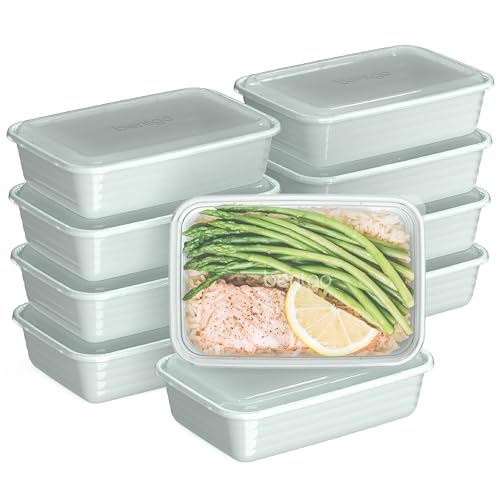
- Glass meal prep containers with locking lids: Glass resists staining and reheats well, and divided compartments keep components separate. View on Amazon
- Digital kitchen scale: Weighing cooked protein and grains helps you hit consistent portions while you are learning. View on Amazon
- Adhesive labels and a marker: Dated labels remove guesswork about freshness. View on Amazon
FAQ
How long does prepped food last in the fridge?
Most cooked meals stay safe in the refrigerator for three to four days when stored in airtight containers at 40°F or below. Freeze anything you will not eat in that window.
How much time does meal prep take each week?
Many beginners find that a focused session of about two hours covers four to five meals. Your speed will improve as you repeat the same recipes.
Can I meal prep if I am a complete beginner in the kitchen?
Yes. Start with sheet-pan meals, soups and simple egg dishes. These require basic knife skills and minimal timing, and they reheat reliably.
Which foods do not freeze well?
Fresh salad greens, cucumbers, cooked pasta with cream sauces, and fried foods tend to lose texture. Soups, stews, cooked grains and most roasted vegetables freeze well.
Do I need to weigh my portions?
It is not required, but weighing food for the first few weeks helps you learn appropriate portion sizes. Adjust based on your appetite, activity level and any guidance from your doctor or dietitian.
How do I keep prepped meals from getting boring?
Change the sauce, seasoning or grain rather than the whole recipe. A chicken and vegetable bowl can taste very different with pesto, teriyaki or salsa verde.
Is meal prep right for people with medical conditions?
Meal prep can support many healthy eating plans, but people with diabetes, kidney disease, food allergies or other conditions should consult a doctor or registered dietitian before changing their diet significantly.
Conclusion
Healthy meal prep ideas for beginners work best when you keep the system simple: a balanced plate formula, three or four reliable recipes, and one two-hour session each week. Start small, store food safely, and adjust as you learn what your household actually eats. Within a few weeks, the routine can turn healthy eating from a daily decision into a default.

About Bennett Hastings
Bennett puts together our home cooking with appliances guides, digging through specifications, manufacturer details and owner reviews so you don't have to.