By Bennett Hastings
As an Amazon Associate I earn from qualifying purchases. This page may contain affiliate links.
High protein meal prep ideas make weekday eating far easier: you cook a few sturdy recipes once, portion them, and have filling, muscle-supporting meals ready to reheat. This guide walks through how to choose protein sources, batch cook them with an air fryer, Instant Pot, slow cooker, or sheet pan, store them safely, and build a simple weekly rhythm. By the end, you will have a short list of recipes you can rotate and a method you can repeat every Sunday.
Why High Protein Meal Prep Works
Protein is the nutrient most likely to keep you full between meals, and it is also the one that is easiest to build a routine around. Meat, fish, eggs, dairy, beans, and tofu all reheat reasonably well when cooked properly. When you prep protein in advance, you remove the nightly decision about what to eat, which is where many weeknight plans fall apart.
A practical target for most meals is roughly 25 to 40 grams of protein, though your needs depend on body size, activity level, and goals. Adults with specific medical needs or a history of kidney disease should check with a doctor or registered dietitian before changing their protein intake.
Choose Protein Sources That Reheat Well
Not every protein tolerates a week in the fridge. Chicken thighs, ground turkey, lean beef, pork tenderloin, shrimp (eaten within two days), salmon (best within three days), eggs, and firm tofu all hold up well. Delicate fish and fried coatings soften quickly, so save those for same-day cooking.
- Chicken thighs: stay juicy after reheating and tolerate bold sauces.
- Ground turkey or lean beef: work in bowls, tacos, and pasta sauces.
- Hard-boiled eggs: store up to a week in the shell.
- Firm tofu or tempeh: crisp up well in an air fryer.
- Cottage cheese and Greek yogurt: good for snacks and breakfast jars.
- Lentils and chickpeas: add protein and fiber to any protein-based meal.
Step-by-Step Weekly Method
Step 1: Pick Two Proteins and Two Carbs
Keep the menu simple: two protein sources, two starches or grains, and two or three vegetables. For example, pair chicken thighs and ground turkey with rice and roasted sweet potatoes, plus broccoli and peppers. This gives you variety through sauces and seasoning while keeping your shopping list short.
Step 2: Batch Cook by Method
Group your cooking by appliance so you are not juggling too many pans:
- Air fryer: 400°F for 18 to 22 minutes for bite-size chicken thighs, shaking the basket halfway through.
- Instant Pot: 10 minutes on high pressure for shredded chicken breast, followed by a 10-minute natural release.
- Slow cooker: 6 to 8 hours on low for pulled chicken or lean beef chili.
- Sheet pan: 425°F for 20 to 25 minutes for sausages, vegetables, and chickpeas together.
Step 3: Cook Grains and Vegetables Separately
Brown rice, quinoa, and roasted vegetables are best cooked in their own batch so you can season them to match the protein. Cool grains quickly on a sheet pan before refrigerating to keep texture and food safety intact.
Step 4: Portion and Chill Within Two Hours
Divide meals into containers while the food is still warm but not steaming. Refrigerate within two hours of cooking and keep the fridge at 40°F or below. Most cooked proteins stay safe for three to four days; freeze anything you will not eat by day four.
Step 5: Plan Sauces and Flavors
Prep two or three sauces, such as a yogurt-garlic sauce, a salsa verde, and a peanut-lime dressing. Store them separately so each meal tastes fresh on day five.
10 High Protein Meal Prep Ideas
- Sheet pan chicken thighs with broccoli and rice: season thighs with paprika and garlic powder, roast with broccoli at 425°F.
- Turkey taco bowls: brown ground turkey with cumin, serve over rice with black beans and salsa.
- Instant Pot shredded chicken burrito bowls: cook chicken with salsa, then top with corn and avocado.
- Slow cooker lean beef chili: combine beef, kidney beans, and crushed tomatoes for 7 hours on low.
- Egg and vegetable muffin cups: bake eggs with spinach and peppers at 350°F for about 20 minutes.
- Salmon rice bowls: bake salmon at 400°F for 12 minutes, eat within three days.
- Air fryer tofu with peanut sauce: crisp cubed tofu at 390°F for 15 minutes.
- Greek chicken with cucumber salad: marinate chicken in lemon, oregano, and yogurt.
- Turkey meatballs with marinara and quinoa: bake meatballs at 400°F for 18 minutes.
- Chickpea and chicken sheet pan dinner: roast chicken and chickpeas together with cumin and lemon.
For more ideas organized by cooking style and time, see 9 Best Easy Meal Prep Ideas High Proteins for Busy Weeks and Meal Prep Ideas Explained: Batch Recipes, Storage and a Weekly Plan.
Tools That Make Prep Faster
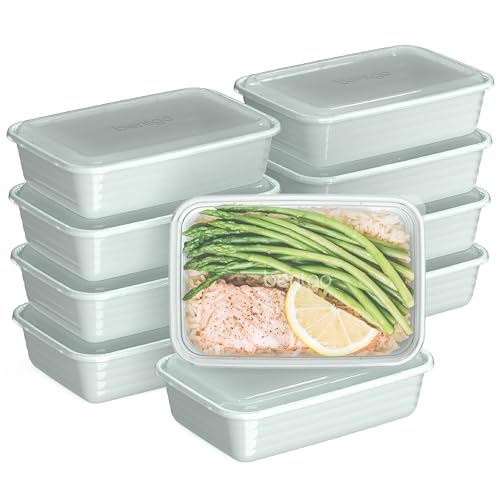
You do not need specialized equipment, but a few items save real time. Stackable glass or BPA-free containers with snap lids keep portions organized, and a digital kitchen scale helps you check portion sizes. For a deeper look at storage options, read 15 Best Meal Prep Containers.
Recommended gear
- Instant Pot Duo: pressure cooks shredded chicken and beans in a fraction of the time of stovetop methods. View on Amazon
- Ninja Foodi Digital Air Fryer: crisps proteins and vegetables without preheating a full oven. View on Amazon
- Rubbermaid Brilliance Food Storage Containers: glass-clear containers that stack well and handle reheating. View on Amazon
- OXO Good Grips Food Scale: helps you portion protein consistently for tracking. View on Amazon
Common Mistakes
- Overcooking lean protein: chicken breast and turkey dry out fast, so pull them when they reach 165°F internally.
- Adding sauce too early: wet sauces make crispy items soggy; store them separately.
- Making too many different dishes: five recipes is harder to manage than two or three.
- Storing hot food in deep containers: shallow containers cool faster and stay safer.
- Ignoring vegetables: high protein meals still need fiber, so roast or steam a vegetable every batch.
Tips for Better Results
- Season proteins generously; flavor often fades slightly after reheating.
- Reheat in short bursts and add a splash of water or broth to prevent drying.
- Label containers with the date you cooked them.
- Freeze extra portions in single servings for weeks when your schedule changes.
- If you are new to prep, start with the basics in Meal Prep for Beginners.
FAQ
How much protein should be in each meal prep container?
Many people aim for 25 to 40 grams per meal, depending on their needs. Check with a doctor or dietitian for personalized targets.
How long does high protein meal prep last in the fridge?
Most cooked meats and eggs stay safe for three to four days at 40°F or below. Freeze anything you will not finish in that window.
Can I meal prep chicken breast without it drying out?
Yes. Cook it to 165°F, avoid overcooking, and store it with a little sauce or broth. Thighs are more forgiving if you prefer them.
Are plant-based proteins good for meal prep?
Yes. Firm tofu, tempeh, lentils, and chickpeas all store well. Combine two plant sources for a more complete amino acid profile.
Can I freeze high protein meal prep?
Most cooked proteins freeze well for up to three months. Cool food fully before freezing and thaw in the refrigerator overnight.
Which appliance is best for high protein meal prep?
An air fryer is excellent for quick proteins, an Instant Pot speeds up shredded meats and beans, and a slow cooker suits hands-off stews and chilis. Many cooks use a combination.
Do I need special containers?
No, but leak-resistant containers with secure lids make storage and reheating easier. Choose microwave-safe options if you reheat in them.
Conclusion
High protein meal prep ideas become easy once you settle on two proteins, two starches, and a few vegetables each week. Batch cook by appliance, portion within two hours, and keep sauces separate for the freshest results. Start with three or four recipes from this list, and adjust as you learn what your household enjoys.

About Bennett Hastings
Bennett puts together our home cooking with appliances guides, digging through specifications, manufacturer details and owner reviews so you don't have to.