By Bennett Hastings
As an Amazon Associate I earn from qualifying purchases. This page may contain affiliate links.
Cheap meal prep ideas work by buying staple ingredients in bulk, cooking large batches once, and portioning the results for the week. In this guide, you’ll learn how to choose low-cost ingredients, build a simple batch-cooking routine, and pick recipes that stretch a few pounds of protein and a sack of rice into five or more lunches and dinners. You don’t need expensive gear to start, just a plan and a few reliable containers.
Why Cheap Meal Prep Works
Most grocery waste happens because food goes bad before anyone eats it. Prepping in advance solves that problem. When you cook a pot of beans on Sunday and portion it for Monday through Wednesday, every ingredient gets used on purpose. You also avoid the daily takeout decisions that quietly drain a budget.
Shopping for one? See our guide: 10 Best Easy Meal Prep Ideas for Busy Weeks: Expert Picks (2026).
Cost per serving drops for a few reasons. Dried beans and lentils cost far less per serving than canned meat or pre-cut vegetables. Whole chickens, bone-in thighs, and large packages of ground meat are often cheaper per pound than small trays. And cooking one large batch uses less energy and fewer pans than cooking every meal separately.
Step 1: Build a Budget-Friendly Pantry Base
Start with ingredients that are inexpensive, filling, and versatile. You can mix and match them across many recipes, which keeps your weekly plan from getting boring.
- Dried beans and lentils: Black beans, pinto beans, chickpeas, and brown or green lentils are high in protein and fiber.
- Grains: Brown rice, oats, pasta, and barley cook in large quantities and reheat well.
- Frozen vegetables: Bags of frozen broccoli, peppers and onions, spinach, and corn are often cheaper than fresh and never spoil quickly.
- Seasonal produce: Carrots, cabbage, sweet potatoes, and onions usually cost less than leafy greens or berries.
- Affordable protein: Eggs, bone-in chicken thighs, ground turkey, and canned tuna or sardines give good value per serving.
- Pantry flavor makers: Canned tomatoes, garlic, soy sauce, vinegar, dried herbs, and chili powder turn plain ingredients into different meals.
Step 2: Choose Recipes That Share Ingredients
The easiest way to keep costs low is to cook one base ingredient in several ways. For example, a pot of black beans can become tacos one night and a burrito bowl the next. A tray of roasted sweet potatoes can go into a grain bowl, a breakfast hash, or a side for chicken.
Example: One Shopping List, Five Meals
Here is a sample plan built around three inexpensive proteins and two grains. Each recipe reuses at least two ingredients from the others.
| Base Ingredient | Meal 1 | Meal 2 | Meal 3 |
|---|---|---|---|
| Brown rice (large batch) | Chicken thigh fried rice | Black bean burrito bowls | Lentil and vegetable pilaf |
| Black beans | Burrito bowl topping | Quick soup with tomatoes | Breakfast hash with eggs |
| Bone-in chicken thighs | Fried rice protein | Sheet pan dinner with carrots | Shredded chicken for wraps |
| Frozen peppers and onions | Fried rice | Burrito bowl | Breakfast hash |
Step 3: Batch Cook in One Two-Hour Session
Pick one block of time, ideally a weekend afternoon, and work through a fixed sequence. The goal is to use the oven, stovetop, and slow cooker at the same time.
- Start the long-cook items first. Put dried beans or a pot of lentils on the stove or in a slow cooker. Beans usually need 1 to 2 hours of simmering, depending on the variety and whether you soaked them.
- Roast vegetables and chicken on sheet pans. Set the oven to 425°F. Toss chopped carrots, sweet potatoes, or cabbage with oil and salt, then roast 25 to 35 minutes, turning once. Roast chicken thighs skin side up at the same temperature for about 35 to 40 minutes, or until the internal temperature reaches 165°F.
- Cook grains while everything else roasts. Rice or barley can cook in a rice cooker or covered pot without much attention.
- Make one sauce or seasoning blend. A simple tomato-garlic sauce or a pot of salsa can be used across several meals.
- Cool and portion within two hours. Divide food into containers, label them with the date, and refrigerate. Cooked food should be eaten within three to four days, or frozen for longer storage.
Equipment You Probably Already Have
- Two rimmed sheet pans
- A large stockpot or Dutch oven
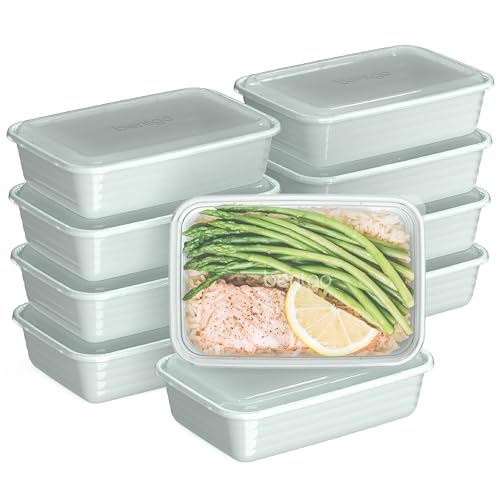
- Glass or BPA-free plastic meal prep containers in 2-cup and 3-cup sizes
- A sharp chef’s knife and cutting board
- A slow cooker or Instant Pot, if you want hands-off bean and lentil cooking
If you’re shopping for containers, see 6 Best Meal Prep Containers for Meal Prep Ideas for the Week (2026) or 15 Best Meal Prep Containers for comparisons of sizes and materials.
Step 4: Ten Cheap Meal Prep Recipes to Start With
These recipes rely on inexpensive staples and scale easily. Each makes about four to six servings.
- Black bean and rice burrito bowls: Top rice with seasoned black beans, roasted peppers, salsa, and a spoonful of plain yogurt.
- Chicken thigh fried rice: Use day-old rice, frozen peas and carrots, two eggs, and soy sauce.
- Lentil and vegetable soup: Simmer brown lentils with onion, carrot, celery, canned tomatoes, and cumin for about 30 minutes.
- Sheet pan chicken and sweet potatoes: Roast thighs with sliced sweet potatoes, paprika, and garlic powder.
- Pasta with white beans and greens: Toss whole-wheat pasta with cannellini beans, garlic, olive oil, and frozen spinach.
- Egg and potato breakfast hash: Dice potatoes and onions, brown them in a skillet, and top with fried or scrambled eggs.
- Turkey and cabbage stir-fry: Brown ground turkey with shredded cabbage, carrots, and a splash of vinegar and soy sauce.
- Chickpea curry: Simmer chickpeas in canned tomatoes with curry powder, onion, and spinach, then serve over rice.
- Baked oatmeal cups: Mix rolled oats, eggs, milk, mashed banana, and cinnamon, then bake in a muffin tin for breakfasts.
- Tuna and white bean salad: Combine canned tuna, cannellini beans, diced celery, lemon juice, and olive oil for quick lunches.
For more batch-friendly options that go beyond these basics, read Meal Prep Ideas Explained: Batch Recipes, Storage and a Weekly Plan and Healthy Meal Prep Ideas: 10 Balanced Recipes and a Simple Weekly Method.
Step 5: Plan the Week Before You Shop
Before you write your grocery list, decide how many meals you need to prep and which days you’ll eat leftovers. Check your fridge and pantry first so you don’t buy duplicates. Then group your list by store section to shorten your trip. For a more detailed planning method, see How to Plan Weekly Meals: A Step-by-Step Guide for Home Cooks.
Common Mistakes to Avoid
- Prepping too many different recipes. Three or four recipes that share ingredients are easier to manage than eight unrelated dishes.
- Skipping the cooling step. Hot food packed into sealed containers can hold heat and spoil faster. Cool it briefly on the counter, then refrigerate.
- Overcooking vegetables. Roast them just until tender so they don’t turn mushy when reheated.
- Forgetting to season each batch. Plain rice and beans get boring fast. Keep a few sauces, spice blends, and acids like lemon juice or vinegar on hand.
- Buying specialty ingredients. Exotic grains and out-of-season berries add cost without improving the basics.
- Ignoring food safety. Keep cooked food refrigerated at 40°F or below, and freeze anything you won’t eat within four days. Reheat leftovers to 165°F.
Tips for Stretching Your Budget Further
- Buy meat in family packs, then divide and freeze portions.
- Use the bones and skin from a whole chicken to make stock.
- Cook dried beans in larger batches and freeze the extra in 1-cup portions.
- Keep a running list of what’s in your freezer so nothing gets forgotten.
- Use a rice cooker or Instant Pot to make grains and beans with less stove time.
Recommended Gear
These tools make batch cooking faster and more consistent, especially when you’re working with dried beans and large quantities of grains.
- Instant Pot Duo: Cooks dried beans, lentils, and rice in a fraction of the time they’d take on the stove, with minimal supervision. View on Amazon
- Rubbermaid Brilliance Food Storage Containers: Clear, stackable containers that are easy to portion into and see through, helpful for labeling and tracking leftovers. View on Amazon
- Nordic Ware Half Sheet Pan: A sturdy, rimmed pan that holds a full tray of roasted vegetables or chicken thighs without warping. View on Amazon
FAQ
How much food should I prep for one week?
Most people plan five to ten lunches and dinners, with breakfasts added if they eat them at home. Start with three to five meals and adjust based on how much you actually eat.
Is cheap meal prep healthy?
It can be. Beans, lentils, frozen vegetables, eggs, and whole grains are nutritious and affordable. Balance each meal with a protein, a vegetable, and a complex carbohydrate.
How long does prepped food last in the fridge?
Most cooked dishes keep safely for three to four days when stored at 40°F or below. Freeze anything you won’t eat in that window.
Can I freeze meal prep?
Yes. Soups, stews, chili, cooked beans, grains, and most meat dishes freeze well for up to three months. Leave headspace in containers for expansion, and thaw overnight in the refrigerator.
What is the cheapest protein for meal prep?
Dried beans, lentils, eggs, and canned tuna are typically among the least expensive per serving. Bone-in chicken thighs and ground turkey in family packs are also good values.
Do I need special containers?
No. Any clean, airtight containers work. Glass containers are good for reheating, while plastic ones are lighter and easier to carry.
How do I keep meals from getting boring?
Rotate sauces and spices rather than full recipes. A batch of plain chicken can become teriyaki, taco, or Italian-style meals with a different seasoning and a fresh topping.
Should I consult anyone about food safety?
If you have a health condition, are pregnant, or are preparing food for someone with a weakened immune system, consult a registered dietitian or your healthcare provider about portion sizes and storage guidelines.
Conclusion
Cheap meal prep ideas come down to a short shopping list, a few flexible recipes, and one focused cooking session each week. Start with staples like beans, rice, frozen vegetables, and affordable proteins, then use them across several meals. Once you’ve done it once or twice, the routine becomes quick, and your grocery bill will show the difference.

About Bennett Hastings
Bennett puts together our home cooking with appliances guides, digging through specifications, manufacturer details and owner reviews so you don't have to.