As an Amazon Associate I earn from qualifying purchases. This page may contain affiliate links.
Anyone who has tried to cook five dinners on a Sunday knows the problem: easy meal prep recipes are simple to find, but recipes that reheat well, use overlapping ingredients and don’t call for a dozen gadgets are harder to come by. This guide compares five cookbooks built around make-ahead cooking. Each one was selected by reviewing its published contents, author background, recipe count, dietary focus and the feedback patterns owners commonly describe. We did not cook from these books ourselves, so the notes below reflect what each title promises and what readers tend to say about it, not hands-on results. Use the comparison to match a book to your goals, whether that is weight management, high protein, family dinners or general variety.
Our Top Picks
Quick Comparison
| Product | Best for | Key feature |
|---|---|---|
| Damn Delicious Meal Prep: 115 Easy Recipes for Low-Calorie, High-Energy Living | High recipe variety on a budget-minded shelf | 115 recipes with a low-calorie focus |
| Downshiftology Healthy Meal Prep: 100+ Make-Ahead Recipes and Quick-Assembly Meals | Gluten-free cooks who want assembly-style meals | 100+ make-ahead and quick-assembly recipes |
| The Protein Meal Prep Plan | High-protein and fiber-focused eating | 30 weekly plans with 180 recipes |
| Fit Men Cook: 100+ Meal Prep Recipes for Men and Women | Bold flavors and high-volume portions | 100+ meal prep recipes with a fitness-minded approach |
| Easy Everyday: 100 Recipes and Meal Prep Ideas for Effortless Eats | Beginners and weeknight simplicity | 100 recipes with straightforward, everyday ingredients |
Damn Delicious Meal Prep: 115 Easy Recipes for Low-Calorie, High-Energy Living
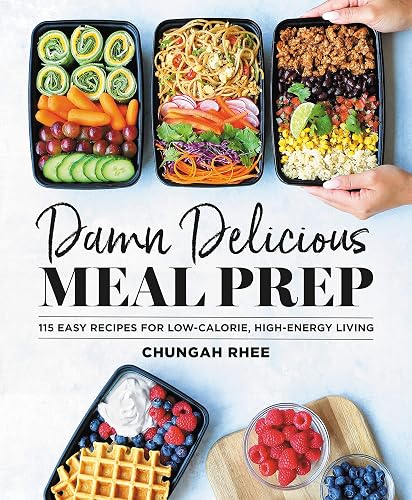
Damn Delicious Meal Prep: 115 Easy Recipes for Low-Calorie, High-Energy Living
This book suits cooks who want a large menu of easy meal prep recipes and are aiming for lighter, lower-calorie meals without giving up flavor. Its recipe count gives you room to rotate dishes across several weeks.
Key specs
- 115 recipes, as stated in the listing title
- Focus on low-calorie, high-energy eating
- Written for home cooks preparing meals in advance
Pros
- Large recipe selection reduces repetition across the week
- Clear low-calorie framing makes goal-based planning easier
- Recipes are described as accessible for everyday home kitchens
Cons
- The calorie focus may not match readers seeking high-protein or bulking meals
- Some owners note that a wide recipe list means fewer deep dives into each dish
Downshiftology Healthy Meal Prep: 100+ Make-Ahead Recipes and Quick-Assembly Meals: A Gluten-Free Cookbook

Downshiftology Healthy Meal Prep: 100+ Make-Ahead Recipes and Quick-Assembly Meals: A Gluten-Free Cookbook
Best for anyone avoiding gluten who wants both make-ahead batch cooking and quick assembly at mealtime. The split between cook-ahead and assemble-fresh recipes is useful when some ingredients should not sit in the fridge for days.
Key specs
- 100+ recipes, as stated in the listing
- Gluten-free focus
- Covers both make-ahead and quick-assembly meals
Pros
- Gluten-free framing is consistent throughout the title
- Quick-assembly recipes help when you want fresher textures
- Good fit for building a mix of cook-ahead bases and fast finishes
Cons
- Not aimed at readers who need a non-gluten-free plan with no adjustments
- Assembly-style meals still require some cooking on the day you eat them
The Protein Meal Prep Plan: 30 Weekly Plans + 180 Recipes to Eat Better, Stress Less, and Save Money

The Protein Meal Prep Plan: 30 Weekly Plans + 180 Recipes to Eat Better, Stress Less, and Save Money (Packed with Fiber and 35g+ Protein Per Serving)
This is the strongest match for readers who want protein-forward easy meal prep recipes with fiber in mind. The weekly plan structure takes planning off your hands, which helps people who struggle to decide what to cook.
Key specs
- 30 weekly plans and 180 recipes, as stated in the listing
- Recipes described as packed with fiber and 35g+ protein per serving
- Organized around complete weekly plans
Pros
- Weekly plans reduce the guesswork of building a grocery list
- Protein and fiber targets are stated clearly for those tracking intake
- Large recipe bank supports long-term variety
Cons
- Per-serving protein claims are the author’s stated targets, so verify against your own needs
- Plan-based structure may feel rigid for cooks who prefer to improvise
Fit Men Cook: 100+ Meal Prep Recipes for Men and Women―Always #HealthyAF, Never Boring
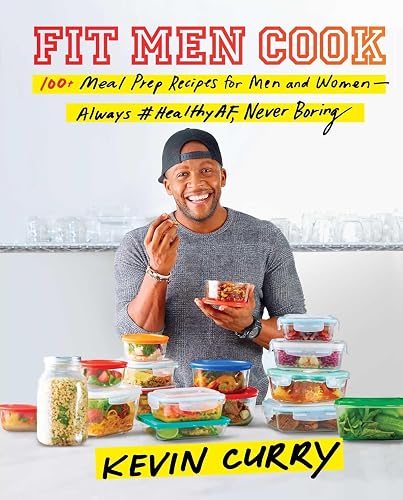
Fit Men Cook: 100+ Meal Prep Recipes for Men and Women―Always #HealthyAF, Never Boring
A good pick for cooks who want flavor-driven meals and generous portions, especially those who train regularly. The tone is energetic, which some readers prefer over clinical nutrition writing.
Key specs
- 100+ meal prep recipes, as stated in the listing
- Written for men and women with a fitness-minded approach
- Emphasis on flavorful, non-boring healthy eating
Pros
- Flavor-forward recipes help prevent meal prep fatigue
- Portion-friendly approach suits active eaters
- Upbeat style makes the book enjoyable to browse
Cons
- Portion sizes may need adjusting for smaller households
- Fitness framing may feel too specialized for general family cooking
Easy Everyday: 100 Recipes and Meal Prep Ideas for Effortless Eats; A Cookbook

Easy Everyday: 100 Recipes and Meal Prep Ideas for Effortless Eats; A Cookbook
Suited to beginners and busy households who want simple, everyday ingredients and minimal fuss. If your main goal is to get dinner on the table reliably, this is a practical starting point.
Key specs
- 100 recipes and meal prep ideas, as stated in the listing
- Focus on effortless, everyday eating
- General-purpose cookbook format
Pros
- Approachable for cooks new to batch cooking
- Everyday ingredient focus keeps shopping simple
- Covers both recipes and broader meal prep ideas
Cons
- Less specialized than goal-focused titles for protein or calorie targets
- Experienced meal preppers may find some recipes basic
Buying Guide
Choosing among books of easy meal prep recipes is less about finding the “best” title and more about matching the book to how you actually cook. Start with your main goal, then check the details that determine whether you will use the recipes week after week.
Selection Criteria
The picks above were compared on recipe count, stated focus (such as low-calorie, gluten-free, high-protein or beginner-friendly), structure (recipes only versus full weekly plans), and the kinds of comments owners commonly make about usability. None of this is a lab or hands-on evaluation.
Important Features to Look For
- Make-ahead vs. assemble-fresh recipes. Some dishes hold up for four or five days in the fridge; others, like crisp salads or some seafood, do not. A book that labels which is which saves waste.
- Storage and reheating notes. Look for guidance on freezing, container choice and reheating, since these determine whether a dish still tastes good on day four.
- Ingredient overlap. Recipes that share staples like cooked grains, roasted vegetables or a single sauce reduce grocery trips and dishes.
- Nutrition information. If you track macros, confirm whether per-serving numbers are listed and how they were calculated.
Specs to Check Before You Buy
- Total recipe count and whether recipes are repeated or variations on a theme
- Whether the book includes weekly plans, shopping lists or only individual recipes
- Serving sizes, and whether they match your household
- Dietary labels such as gluten-free, dairy-free or vegetarian, if you need them
Choosing by Need
- Weight management or lower calories: Look at the low-calorie focused title.
- High protein and fiber targets: A weekly-plan book built around protein is the most direct fit.
- Gluten-free eating: Choose the title that is explicitly gluten-free and mixes make-ahead with assembly meals.
- Beginners or families: A straightforward everyday cookbook keeps the learning curve low.
- Active eaters wanting big flavors: The fitness-minded title with generous portions suits this need.
Things to Watch Out For
- Health and dietary claims in cookbooks are the author’s stated targets, not guarantees of results for you.
- Recipes written for two may need scaling for a family of four.
- Food safety matters: cooked food is generally safe refrigerated for about three to four days, and most sources advise freezing anything you won’t eat in that window. If you have a medical condition or dietary restriction, consult a doctor or registered dietitian before changing your eating plan.
FAQ
What makes a recipe good for meal prep?
Good meal prep recipes hold their texture and flavor after refrigeration or freezing. Soups, stews, grain bowls, roasted vegetables and braised proteins usually reheat well. Crispy fried foods and delicate greens often do not, unless you store components separately.
How long do prepped meals last in the fridge?
Most cooked meals keep safely in the refrigerator for about three to four days. For longer storage, freezing is the common approach. Check a current food safety guide from a government or university extension source for specific guidance on your foods.
Do I need special containers for easy meal prep recipes?
Not strictly, but airtight containers that are microwave-safe and portioned make storage and reheating simpler. Choose sizes that match your portions so food cools quickly and stays fresh.
Are these cookbooks suitable for beginners?
The everyday cookbook is the most approachable for beginners. The larger goal-focused titles can also work, but they assume some comfort with batch cooking and planning.
Can I use these recipes for weight loss?
Recipes can support a calorie-conscious plan, but weight change depends on your total intake and activity. If you are planning a weight-related diet, speak with a doctor or registered dietitian who can tailor targets to you.
Do the recipes work for families?
Many batch recipes scale up easily, and some titles cover family-friendly dinners. Check serving sizes and adjust quantities so there is enough for everyone without excess waste.
How do I start meal prepping if I have never done it?
Pick two or three recipes that share ingredients, cook them on one day, portion them into containers, and label each with the date. Once that feels routine, add more dishes. For a broader walkthrough, see Meal Prep for Beginners.
Conclusion
There is no single best book for every household. If you want the widest menu, the 115-recipe low-calorie title is a strong option. If you need gluten-free make-ahead and assembly meals, choose the Downshiftology book. For protein and fiber goals with planning support, The Protein Meal Prep Plan fits most directly. Active eaters who want bold flavor will do well with the fitness-minded title, while the everyday cookbook is the most practical starting point for beginners. Match the book to your goal and your household size, and your easy meal prep recipes will stay in rotation longer.
Related reading
- Meal Prep Ideas Explained: Batch Recipes, Storage and a Weekly Plan
- Healthy Meal Prep Ideas: 10 Balanced Recipes and a Simple Weekly Method
- Family Meal Prep Ideas: 12 Batch-Friendly Recipes for Busy Weeks
- Easy Meal Prep Ideas for Weight Loss: 10 Simple Recipes and a Plan
- 9 Best Healthy Meal Prep Ideas for Weight Loss in 2026