As an Amazon Associate we earn from qualifying purchases. This page may contain affiliate links.
Planning your week’s meals takes about 30 minutes once a week, and it can cut the nightly “what’s for dinner?” scramble, reduce grocery waste, and make your appliances work harder for you. This guide shows you how to plan weekly meals from start to finish: setting a realistic number of meals, choosing recipes that fit your schedule, writing a shopping list, prepping ahead, and matching each dinner to the cooking method that saves the most time. By the end, you’ll have a repeatable system you can run every week.
Step 1: Decide How Many Meals You Actually Need to Plan
Most people don’t need to plan all 21 meals in a week. Start by counting the meals your household really eats at home. A family of four might plan five dinners, a packed lunch for two adults, and a few breakfasts. A single person might plan three or four dinners and let leftovers cover the rest.
Write the number down and stick to it at first. A realistic plan you follow beats an ambitious one you abandon by Wednesday.
Step 2: Map Your Week Around Your Schedule
Look at your calendar before you choose a single recipe. Mark the nights when you’ll be home by 5:30, the nights with practice or meetings, and the evenings when you’ll want something ready in minutes. Then assign a cooking style to each slot:
- Fast nights (under 30 minutes): sheet-pan dinners, stir-fries, quesadillas, pasta with a prepped sauce.
- Hands-off nights: slow cooker or pressure cooker meals that finish while you’re out.
- Low-effort nights: leftovers, a simple salad with a protein, or a freezer meal.
- Weekend nights: the slightly longer recipes you have time to enjoy.
This step alone prevents the most common planning failure: a Tuesday recipe that needs three hours of work on a Tuesday.
Step 3: Choose Recipes Using a Simple Formula
Instead of starting from a blank page, build each dinner from a repeatable pattern: protein, vegetable, starch or grain, and a sauce or seasoning. This makes it easier to swap ingredients based on what’s on sale and what you already have.
Pick a Few Recipes You Already Know
Roughly two-thirds of your plan should come from meals your household already likes. Add one or two new recipes per week at most. If you’re new to the approach, A Simple Method for Effective Weekly Meal Planning lays out a similar framework you can adapt.
Reuse Ingredients Across Meals
Choose recipes that share ingredients. A bag of fresh spinach can appear in a pasta bake on Monday and a breakfast egg dish on Thursday. A whole chicken might become roast chicken one night and chicken noodle soup the next. Overlap reduces both cost and waste.
Use Your Appliances as a Filter
Ask which appliance each recipe needs. If your air fryer handles the crispy protein and vegetables in 15 to 20 minutes, a weeknight recipe built around it is far more realistic than one that needs an oven preheated for 45 minutes. If you’re still learning your air fryer, How to Use an Air Fryer: A Beginner's Guide covers basic temperatures and timing.
Step 4: Write a Plan You Can Read at a Glance
A written plan works better than a mental one. Use a grid with days across the top and meal slots down the side, or a simple list. Include the main dish and any prep it requires. Here is an example for a household that plans five dinners:
| Day | Dinner | Appliance or Method | Prep Needed Ahead |
|---|---|---|---|
| Monday | Sheet-pan sausage, peppers, and potatoes | Sheet pan in oven | Chop peppers and potatoes on Sunday |
| Tuesday | Chicken tacos with black beans | Stovetop skillet | Cook rice and shred cabbage |
| Wednesday | Slow cooker beef chili | Slow cooker, low setting | Brown beef the night before (optional) |
| Thursday | Leftover chili over baked potatoes | Microwave or oven | None |
| Friday | Homemade pizza on store-bought dough | Oven or air fryer for crust | Shred cheese, slice toppings |
Notice that Thursday is intentionally light, and that the chili makes two meals. Building in one low-effort night and one leftover night is one of the easiest ways to keep the plan manageable.
Step 5: Build the Shopping List From the Plan
Once your meals are set, go through each recipe and list every ingredient. Then compare that list against your refrigerator, freezer, and pantry before you shop. Check what you already have, and note quantities so you don’t buy a second bottle of soy sauce.
Group the list by store section (produce, meat, dairy, dry goods, frozen). This saves time and reduces impulse buys. If your pantry is disorganized, you’ll buy duplicates. How to Organize a Pantry with the FIFO Method explains a rotation system that makes checking inventory much faster.
If your budget is tight, look for meals that share a base ingredient and buy staples in larger sizes only when you’ll use them. How to Cook Delicious Meals on a Tight Grocery Budget has more ideas for stretching each shopping trip.
Step 6: Prep Ahead Where It Helps Most
Prep is where weekly planning pays off. You don’t need to cook five meals on Sunday. Focus on tasks that save time on busy nights:
- Wash, chop, and store hard vegetables such as carrots, peppers, and onions.
- Cook a batch of grain (rice, quinoa, or farro) and refrigerate it in a covered container.
- Make one sauce or dressing that works across several meals.
- Portion protein for the week, or brown ground meat and freeze it in flat bags.
- Measure out dry spices into small containers labeled with the recipe name.
- Write the cooking method and time on each container or on the plan itself.
Ingredients that hold up well for several days after prep include cooked grains, roasted vegetables, hard-boiled eggs, and washed sturdy greens. Keep raw meat separate from ready-to-eat foods, and label containers with the date. For a deeper look at prep tasks, see How to Prepare Common Ingredients Ahead of Time and Meal Prep for Beginners.
Step 7: Plan for Leftovers and Storage
Cooking extra on purpose is a planning tool. A double batch of soup, chili, or roasted vegetables gives you a lunch or an easy dinner later in the week. Decide ahead which meal will be leftovers and which containers you’ll use.
Most cooked leftovers stay safe in the refrigerator for about three to four days, and they freeze well for longer storage. Label containers with the date and contents. The USDA’s food safety guidance is a reliable reference for specific storage times for different foods. Your refrigerator’s layout also affects freshness, so store leftovers on shelves where they stay at a consistent cold temperature. How to Organize Your Refrigerator for Freshness shows how to arrange shelves so the oldest food gets eaten first.
Recommended gear
A few simple tools make the weekly routine faster and easier to repeat.
- A dry-erase or magnetic meal planning board for the fridge. A visible plan gets referenced far more often than one stored in a notes app. Look for a board with days and meal slots already printed. Check price on Amazon
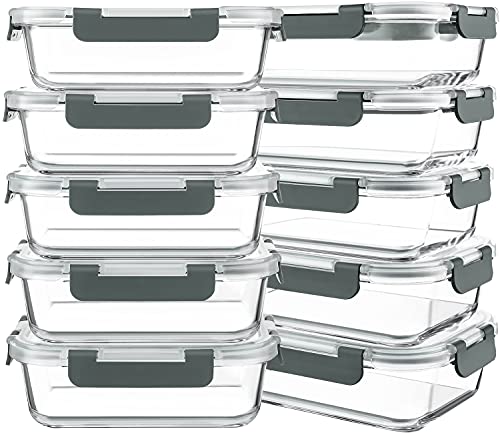
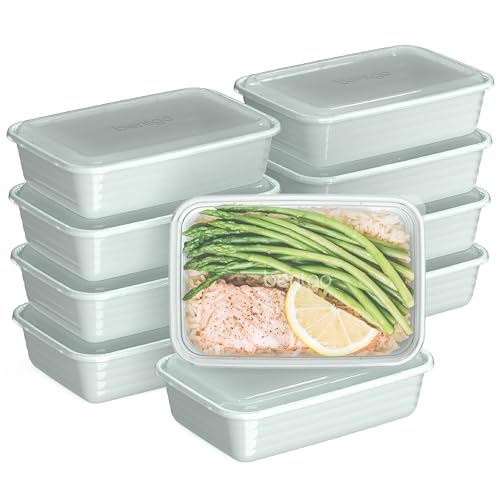
- Glass or BPA-free food storage containers with locking lids. Uniform containers make it easy to stack prepped ingredients and leftovers, and glass can go from refrigerator to microwave. Check price on Amazon
- A slow cooker. A slow cooker lets you start a meal in the morning and eat it that evening, which is the easiest way to cover your hands-off nights. Check price on Amazon
Common mistakes to avoid
- Planning too many new recipes at once. Each unfamiliar recipe adds time and risk. Keep most dinners familiar.
- Ignoring your real schedule. A plan that calls for a 90-minute braise on a night you have a 6:30 commitment will fail.
- Shopping without checking inventory. Duplicate purchases quietly drain your budget.
- Prepping too much too early. Cut vegetables and cooked grains lose quality over several days. Prep only what you’ll use within the week.
- Skipping the leftover night. Without a planned lighter night, takeout tends to fill the gap.
- Treating the plan as fixed. If Wednesday’s plan no longer fits, swap it with Thursday’s. The plan serves you, not the reverse.
Tips for a plan that lasts
- Plan on the same day each week so the habit becomes automatic.
- Keep a short list of “backup dinners” you can make from pantry staples when plans fall apart.
- Track which meals your household actually eats. Drop recipes that get skipped twice.
- Review the plan at the end of each week and note one change for next time.
FAQ
How far ahead should I plan weekly meals?
Planning once a week, ideally before you shop, works well for most households. Some people plan on Sunday for the coming Monday through Friday, while others plan on a weekday evening to cover the weekend too.
How many dinners should I plan per week?
Start with the number of dinners your household eats at home, minus one or two nights for takeout or leftovers. Many families find five planned dinners is a manageable starting point.
What if my family won’t eat the planned meals?
Involve family members in choosing two or three meals each week. Keep a rotation of meals everyone already enjoys, and add new dishes gradually.
Do I need to plan breakfasts and lunches too?
You can start with dinners alone. Once that feels routine, add lunches or breakfasts that repeat, such as overnight oats or a batch of egg muffins, which require little decision-making.
How do I keep meal planning from becoming a chore?
Use the same templates, keep a list of go-to recipes, and limit the planning session to about 30 minutes. Over time, the plan takes less effort because you’re reusing what already works.