By Bennett Hastings
As an Amazon Associate I earn from qualifying purchases. This page may contain affiliate links.
Healthy meal prep ideas work best when you cook a few balanced components in one session and assemble them into different meals through the week. In this guide you will learn how to pick a reliable set of recipes, build plates that cover protein, vegetables and complex carbs, cook them efficiently with common appliances, and store them so they still taste good on day four. By the end, you will have a repeatable Sunday routine and a short list of meals you actually want to eat.
Start With a Simple Plate Formula
Before choosing any recipe, decide what a healthy container looks like. A practical starting point is half non-starchy vegetables, one quarter lean protein, and one quarter whole-food carbohydrate, with a small amount of healthy fat added at the end. This formula keeps you from building meals around a single ingredient and makes it easy to swap components without thinking hard about it.
Shopping for one? See our guide: 10 Best Easy Meal Prep Ideas for Busy Weeks: Expert Picks (2026).
For example, a container might hold 4 ounces of cooked chicken thigh or lentils, 1 cup of roasted broccoli and peppers, and three-quarters of a cup of brown rice or quinoa. Add a spoonful of dressing or half an avocado when you eat it, not when you pack it, so the texture holds up.
Choose Recipes That Reheat Well
Not every healthy dish survives refrigeration. Soups, stews, grain bowls, sheet-pan proteins and bean-based dishes usually reheat without trouble. Crispy fried foods, delicate fish and fresh salad greens do not. When you plan, lean toward recipes that hold their texture and flavor over three to four days.
Here are ten approachable ideas that fit this approach:
- Sheet-pan chicken fajita bowls with peppers, onions and black beans over brown rice.
- Turkey and lentil chili that tastes better on day two and freezes well.
- Greek chicken and cucumber bowls with a yogurt-lemon sauce added at serving time.
- Baked salmon with roasted sweet potatoes and green beans, best eaten within two to three days.
- Chickpea and roasted vegetable grain bowls using farro or barley.
- Egg muffins with spinach, mushrooms and feta for quick breakfasts.
- Chicken and vegetable soup with white beans and kale.
- Tofu and broccoli stir-fry with a light soy-ginger sauce kept separate.
- Beef and vegetable stew made with lean stew meat and root vegetables.
- Overnight oats with Greek yogurt, berries and chia seeds for grab-and-go breakfasts.
Mix Batch Cooking Methods
Using more than one cooking method saves time and avoids flavor fatigue. Roast vegetables and proteins on sheet pans at 400°F for 20 to 25 minutes. Cook grains on the stovetop or in a rice cooker. Simmer soups and chili in a large pot or a slow cooker. An Instant Pot can handle dried beans, grains and shredded chicken in a fraction of the usual time, which is useful when your week is packed.
Build a Weekly Prep Routine
A consistent routine matters more than a perfect recipe list. Most people do well with a two-session approach: a main cook on Sunday and a short refresh midweek. The Sunday session produces the bulk of your meals. The midweek session covers things that lose quality, such as washing and cutting fresh greens, making a second batch of grains or simmering a fresh pot of soup.
A Sample Sunday Sequence
- Preheat the oven and set up two sheet pans with parchment.
- Start grains and beans so they cook while you chop.
- Chop all vegetables at once and divide them between roasting and raw uses.
- Season and roast proteins and hardy vegetables first, then softer ones.
- While items roast, make a soup, sauce or dressing on the stovetop.
- Cool components on racks or open pans for about 20 minutes before portioning.
- Portion into containers, label with the date, and refrigerate or freeze.
Store Meals Safely and Keep Them Tasting Good
Food safety is the part of meal prep that cannot be skipped. Cool cooked food to room temperature within two hours, then refrigerate at 40°F or below. The USDA generally advises eating refrigerated cooked leftovers within three to four days and freezing anything you will not eat in that time. Freezing at 0°F keeps food safe indefinitely, though quality declines over time, so most people aim for two to three months.
Store sauces, dressings and crunchy toppings separately. Keep leafy greens in a dry container with a paper towel. When reheating, heat until steaming throughout, and stir partway through to avoid cold spots.
Useful Containers and Tools
| Item | Best use | Tip |
|---|---|---|
| Glass meal prep containers with locking lids | Reheating in the microwave or oven | Check that the lid is microwave-safe before using it. |
| Small sauce cups | Dressings and dips | Pack them in the same bag as the meal so they travel together. |
| Freezer-safe bags or containers | Soups, chili and stews | Lay flat bags to freeze for faster thawing. |
| Sheet pans with parchment | Roasting proteins and vegetables | Use two pans so vegetables do not steam. |
| Digital kitchen scale | Portion control | Weigh proteins after cooking for consistent serving sizes. |
Common Mistakes to Avoid
- Cooking too much of one dish. Eating the same meal every day for five days leads to skipped meals. Rotate two or three recipes per week.
- Overcooking vegetables. Roast them until just tender, since they will soften again when reheated.
- Dressing salads ahead of time. Keep dressing separate to prevent sogginess.
- Ignoring seasoning. Bland food is the most common reason people abandon meal prep. Use herbs, citrus, vinegar and spices generously.
- Skipping the cooling step. Sealing hot food traps steam, which encourages bacteria and sogginess.
- Forgetting labels. Write the dish name and date on every container.
Tips for Staying Consistent
- Plan four to five recipes at most for the first few weeks.
- Keep a short list of pantry staples such as canned beans, frozen vegetables, rice, oats and olive oil.
- Prep breakfast items separately so mornings stay simple.
- If your week changes, freeze one portion early rather than letting it spoil.
- For planning ideas beyond this guide, see Meal Prep Ideas Explained: Batch Recipes, Storage and a Weekly Plan and Meal Prep for Beginners.
Recommended gear
Good containers and reliable cooking tools make the routine much easier to maintain. These are the categories most home cooks find useful.
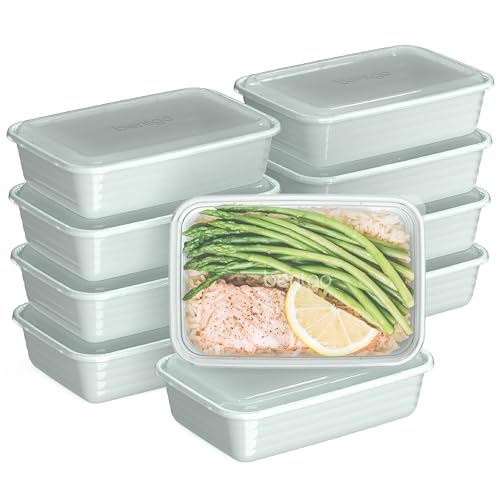
- Glass meal prep containers. Glass resists staining and reheats evenly, and locking lids keep sauces from leaking in your bag. View on Amazon
- Large heavy sheet pans. Thicker pans conduct heat evenly and resist warping, which helps vegetables roast instead of steam. View on Amazon
- Digital kitchen scale. Weighing portions keeps calorie and macro estimates consistent from one batch to the next. View on Amazon
- Multi-cooker with pressure and slow cook settings. Useful for cooking dried beans, grains and shredded meats in less active time. View on Amazon
FAQ
How many days of meals should I prep at once?
Most people prep three to four days of meals at a time. Cook the rest in a second session midweek or freeze it, since cooked food is best eaten within about four days of refrigeration.
Are healthy meal prep ideas suitable for weight loss?
Meal prep can help with portion control and reduce takeout, which supports weight loss for many people. Results depend on overall calorie intake and activity. For a structured plan, see Easy Meal Prep Ideas for Weight Loss: 10 Simple Recipes and a Plan.
What containers are safest for reheating?
Glass and microwave-safe plastic labeled as such are commonly recommended. Avoid heating containers that are not labeled microwave-safe, and vent the lid slightly when microwaving.
Can I freeze meal prep portions?
Yes. Soups, chili, stews, cooked grains and many proteins freeze well. Leafy salads, fried foods and dishes with cream sauces often change texture after freezing.
How do I keep meals from getting boring?
Rotate sauces and spices rather than whole recipes. A batch of chicken can become fajita bowls, a Greek salad or a soup with different seasonings. Fresh herbs, citrus and a crunchy topping also refresh a dish.
Do I need special equipment?
No. A sharp knife, two sheet pans, a large pot and a few containers are enough to start. Appliances like a slow cooker or pressure cooker add convenience but are optional.
Is meal prep safe for everyone?
Food safety guidelines apply to all households, but people who are pregnant, immunocompromised or managing a medical condition should check dietary and storage advice with a doctor or registered dietitian.
How do I start if I have never meal prepped?
Pick two recipes, cook them on a single Sunday, and eat them through the week. Add one new recipe each week. For a gentle introduction, see Meal Prep for Beginners.
Conclusion
Healthy meal prep ideas become sustainable when you use a simple plate formula, choose recipes that reheat well, and follow a consistent weekly routine. Store food safely, keep sauces separate, and rotate flavors so your meals stay appealing. Start small with two or three dishes, and expand as your Sunday rhythm settles into place.
Related reading
- Family Meal Prep Ideas: 12 Batch-Friendly Recipes for Busy Weeks
- 6 Best Meal Prep Containers for Meal Prep Ideas for the Week (2026)

About Bennett Hastings
Bennett puts together our home cooking with appliances guides, digging through specifications, manufacturer details and owner reviews so you don't have to.